
Get a free estimate
Free visual inspection. Optional lab testing costs extra.
We use your details to respond to your service request. Privacy Policy
Cottonwood Heights removal
Surface Mold or a Wet Wall?
Cottonwood Heights split-level layouts can put finished lower rooms beside window wells and exterior grade. Assess the actual condition.
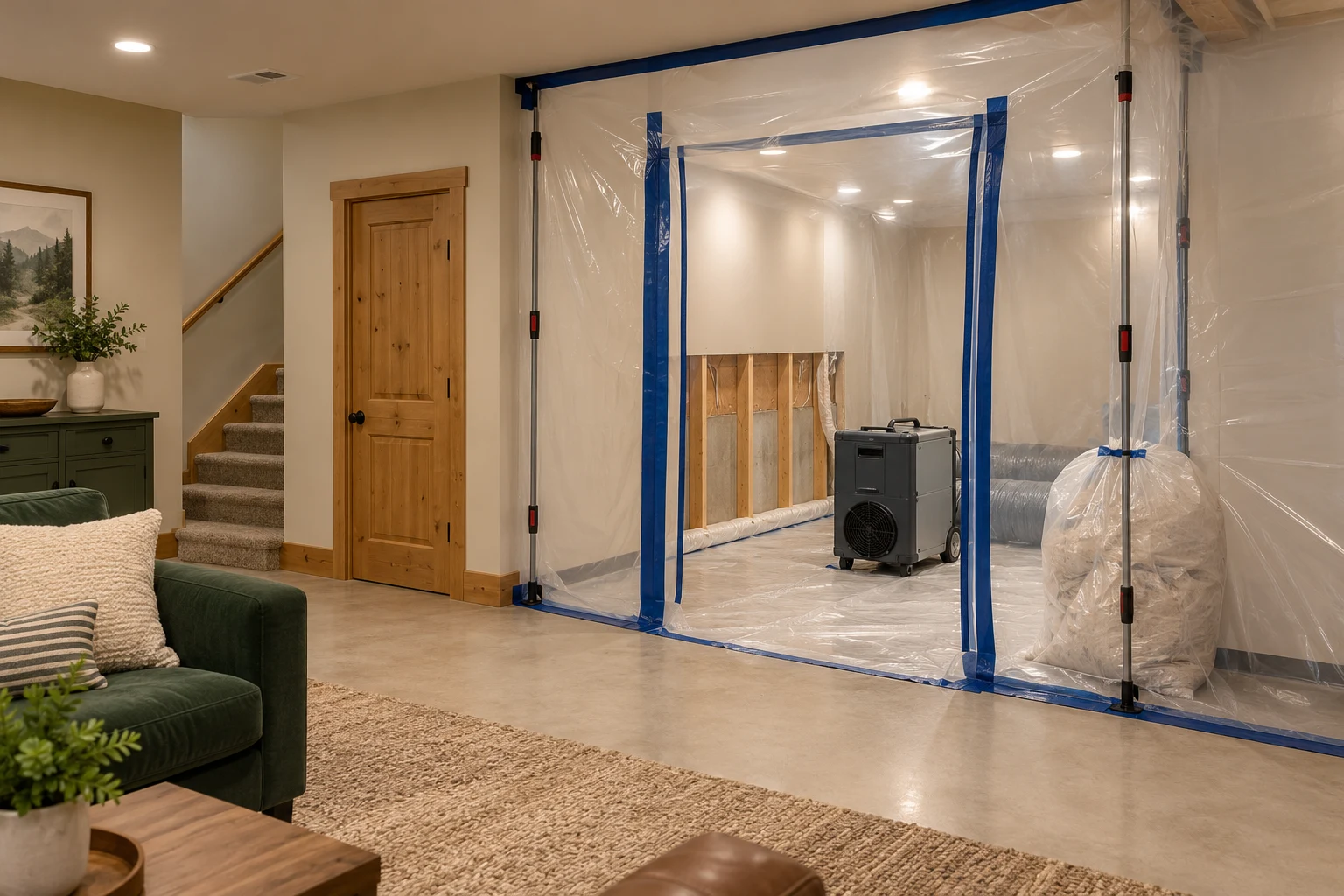
Small hard-surface patch
- Decision
- Some small areas are homeowner-manageable under EPA guidance when water is controlled.
- Material
- A suitable sound surface may be cleaned and dried.
Concealed lower-wall damage
- Decision
- Repeated mustiness or damaged finishes calls for assessment beyond a surface wipe.
- Material
- Affected pad, insulation or drywall may require contained removal.
Why the service matters
Protect the Parts Worth Keeping
Mold removal should help you protect affected materials and understand the repairs ahead. A useful plan explains the water source, what can stay and what needs to come out.
Keep Undamaged Materials in Place
Match cleaning and removal to the condition of each material. A stain alone should not decide the fate of a whole finished room. A finished split-level can have several routes into lower walls. Describe runoff, slopes and earlier repairs without assuming the neighborhood explains your property.
Help Keep Mold From Coming Back
Cleaning growth and correcting moisture belong in the same overall plan. Ask which leak repairs or rebuilding need another trade. Ask how split-level access, runoff and earlier repairs affect the recommendation for this property.
Keep Daily Life Moving During Cleanup
Know the work area, access limits and drying checks before replacement finishes close things up. Keep the explanation with the records for this home so the next decision does not depend on memory.
Cottonwood Heights: practical detail
Check Finished Cottonwood Heights Basements
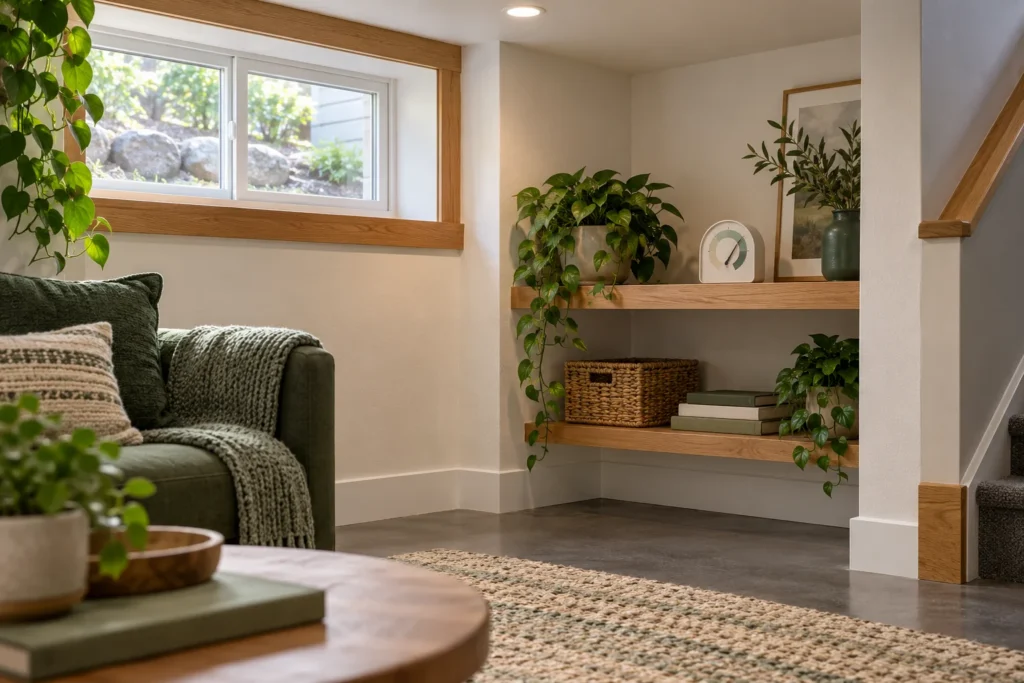
Check Why the Basement Is Affected
A home may be a split-level or rambler with full or partial basements that owners finished long after the original build.
Finished basements hide moisture well. Carpet pad soaks up a slow seep, the bottom plate of a framed wall wicks it upward, and the paper face of the drywall feeds the growth. By the time a musty smell reaches the main floor, mold has often spread along a whole wall.
Access and Material Limits
Our removal starts by finding where the material is dry and clean, then cutting back to that line under containment.
Why choose Green Home Air
Why Choose Green Home Air for Mold?
Trace the levels and note water after runoff. We can discuss the next step even if you do not have complete records.
Certified Help for Your Mold Problem
Our certified, insured and vetted technicians work as a uniformed team. You can ask who is coming and how the home will be protected. Mention split-level access, runoff and earlier repairs when arranging access.
Know Your Price Before Mold Removal
Your free visual inspection helps define the concern. If removal is recommended, review the written scope and price before paid work begins. Use the details about split-level access, runoff and earlier repairs to ask why each part of the proposed work is needed.
Know What Happens After Mold Cleanup
Ask what materials are affected, which drying checks remain and who will handle leak repair or rebuilding.
Before & After
See The Difference We Make
These are the kinds of mold problems we see in Utah homes. Drag the slider to compare before and after.
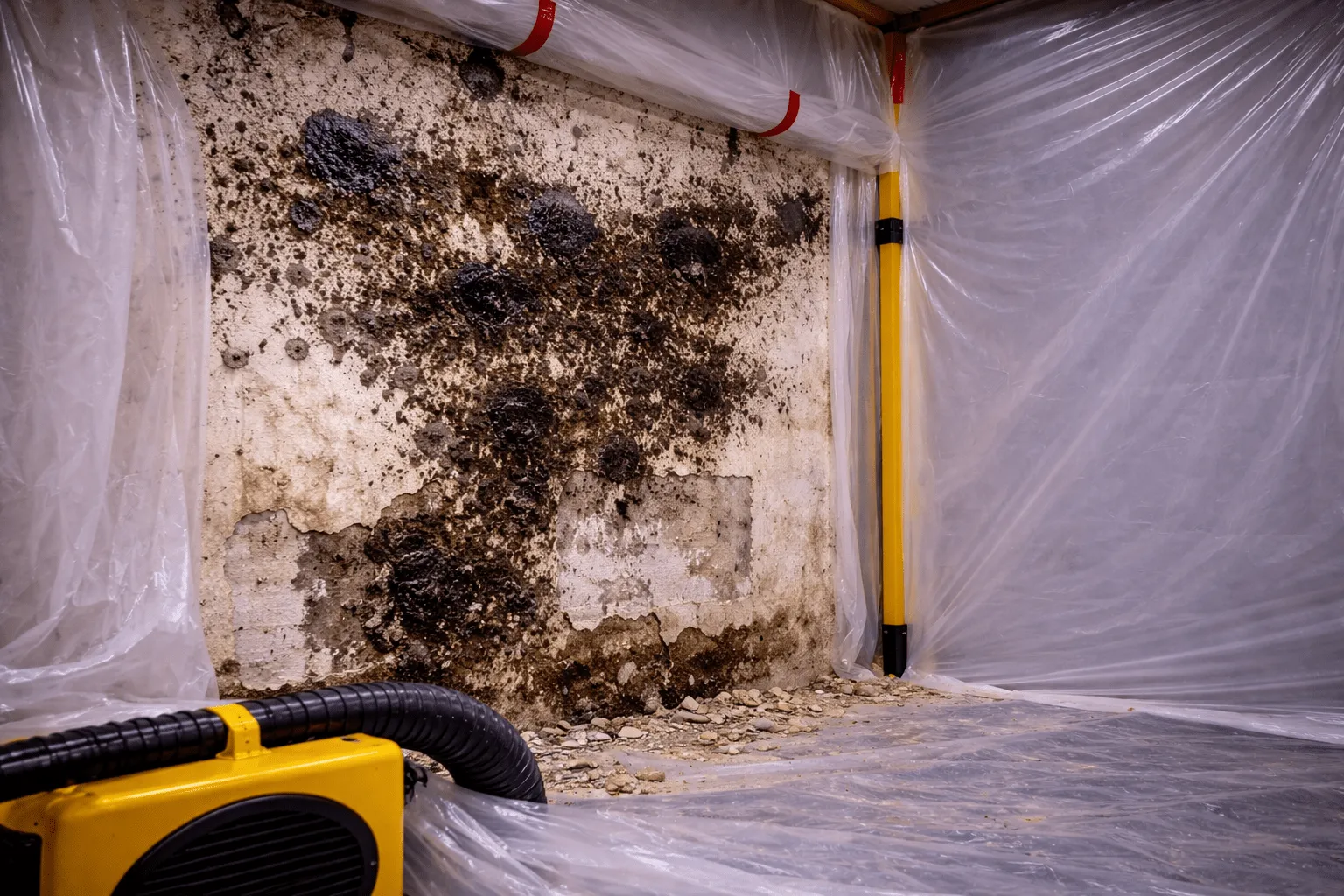
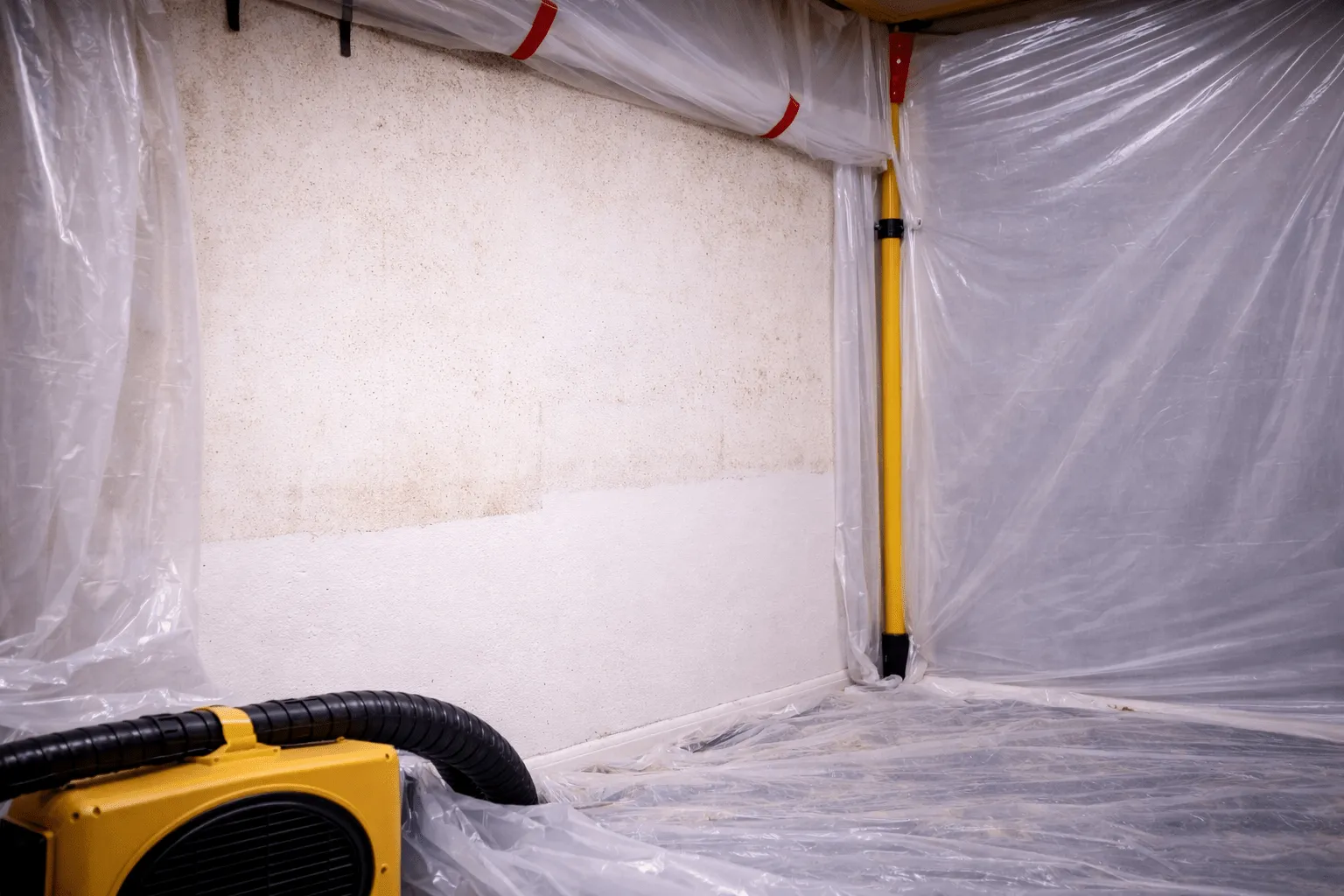
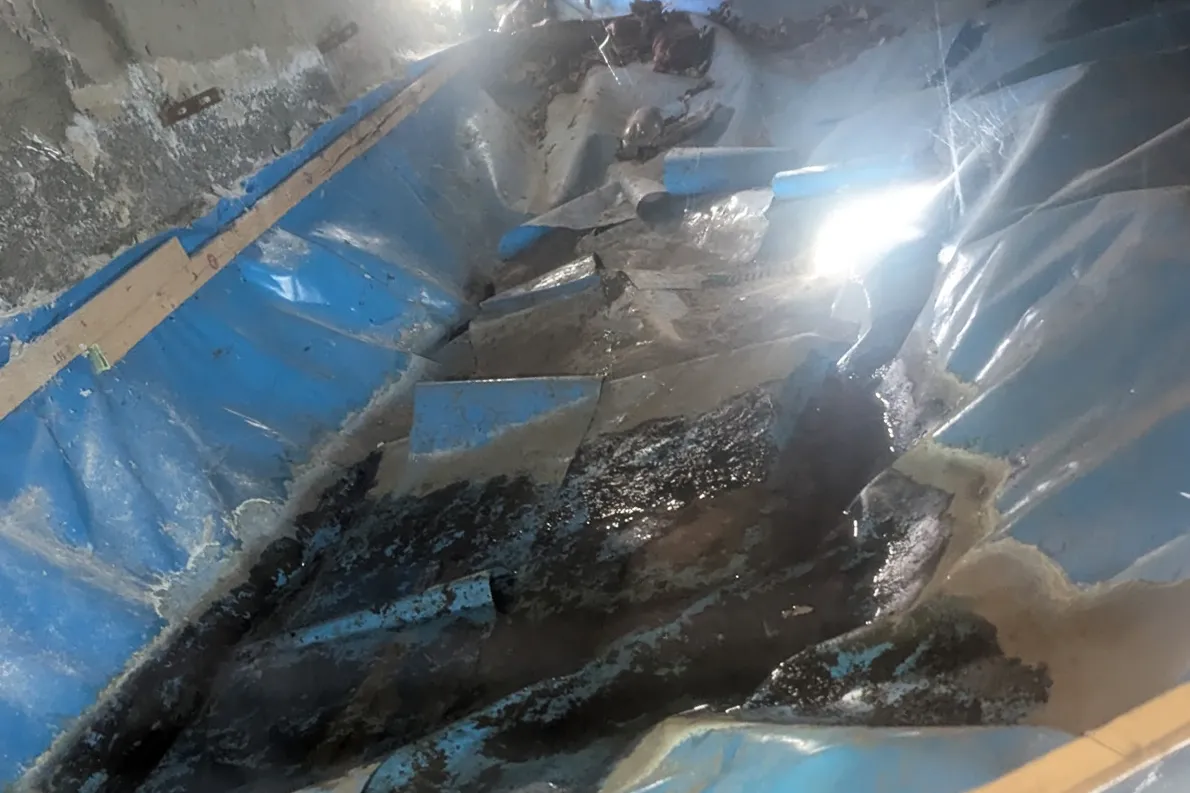
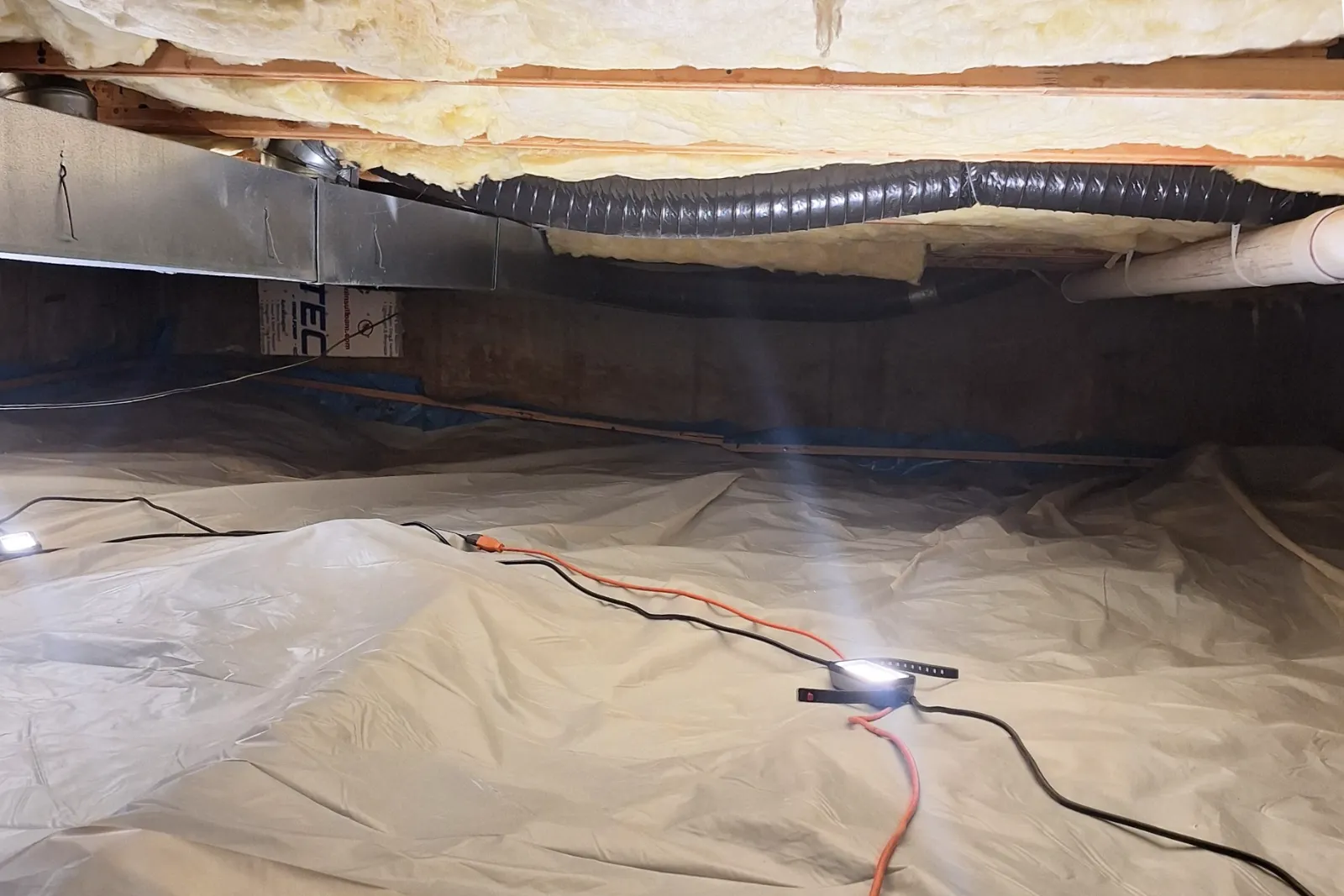
Wall Mold Remediation
Wall mold caused by a slow roof leak. The leak has to be fixed before the damaged material comes out.
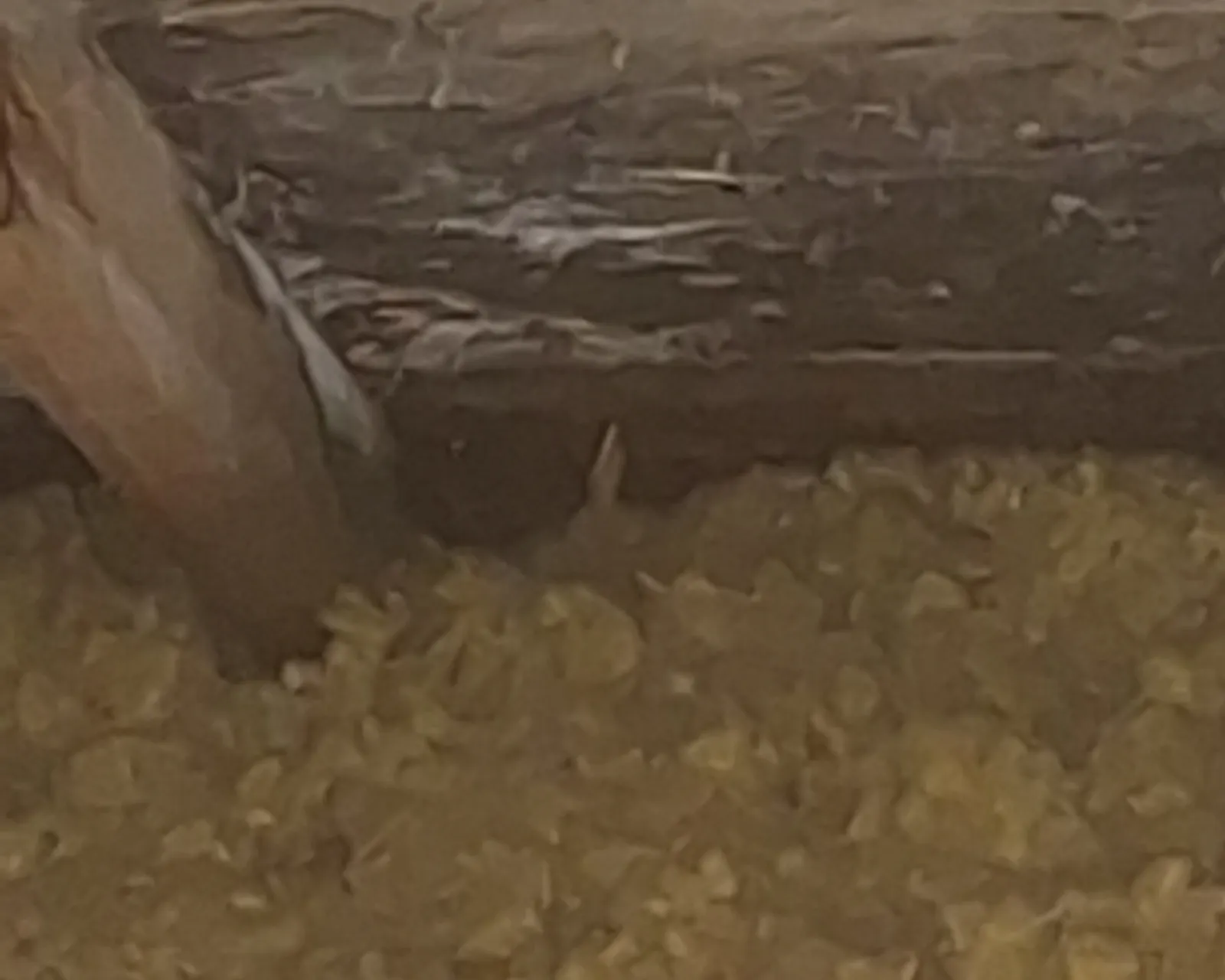
Basement Mold Removal
Mold growth across a basement after flooding. Drying the space comes first, then removal and cleanup.
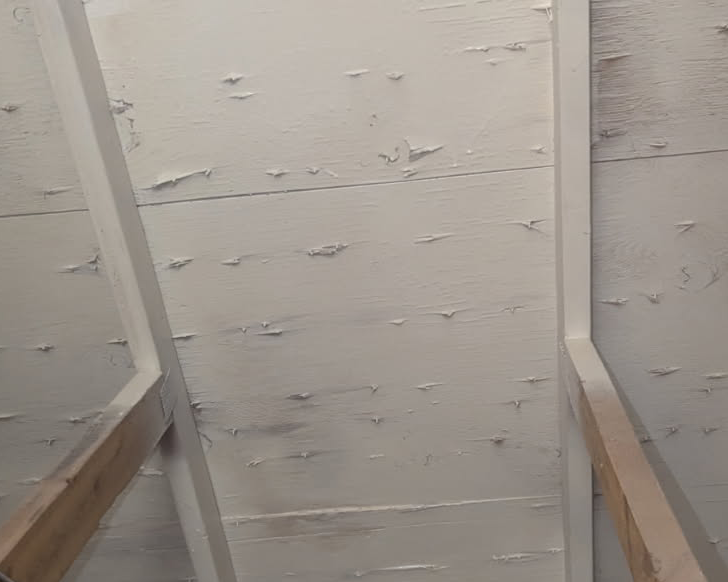
Attic Mold Remediation
Widespread attic mold from poor ventilation and a roof leak. Trapped humidity had spread across the rafters and sheathing before we contained and removed it.
Get a Free Estimate
We have hundreds more before/after photos. Call us today and we'll show you exactly what we can do for your home.
Testimonials
What Our Customers Say
Don't just take our word for it. See what Utah homeowners say about Green Home Air.

Before the visit
Plan Mold Work in Cottonwood Heights
You do not need complete records to ask for help. For this visit, note split-level access, runoff and earlier repairs. Start with what you know, then discuss the visit, its limits and the proposed price.
Cottonwood Heights removal
Find the Water Before Changing Finishes
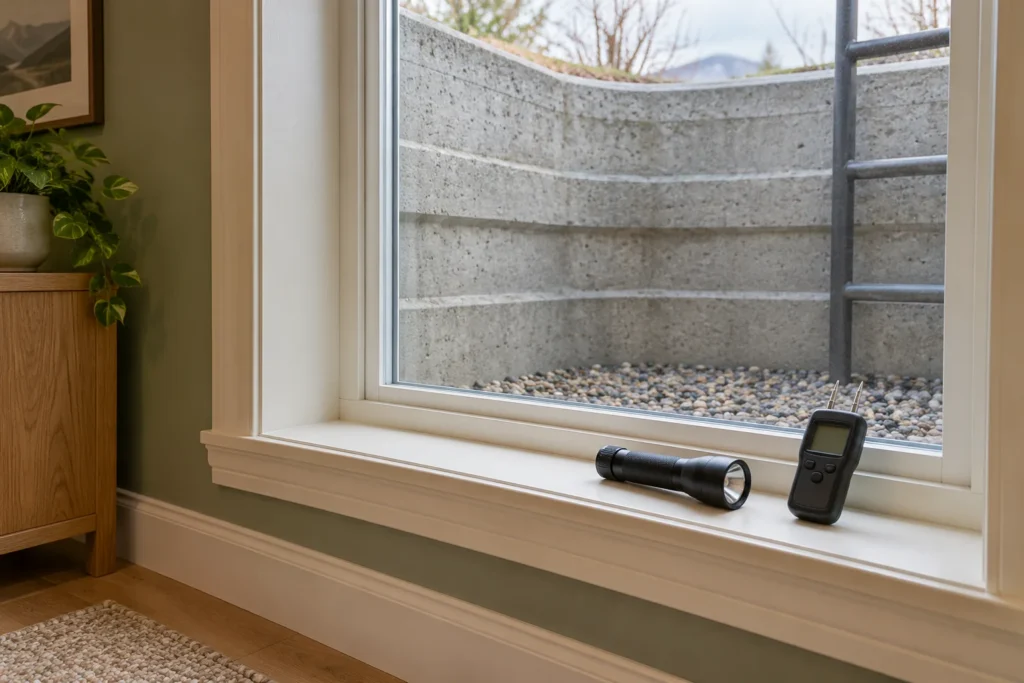
Follow the timing at your own home rather than assuming canyon proximity establishes risk.
After runoff or watering
Look for ponding at wells and new wetness along the lower wall from a safe position.
After a leak repair
Check whether cavity materials still need drying or assessment.
Before repainting or rebuilding
Agree the remediation scope and source correction first. Fresh paint does not establish a dry wall.
Cottonwood Heights: practical detail
Check Runoff, Creeks and Slopes
Homes on the bench deal with water that comes downhill. Big Cottonwood Creek, Little Cottonwood Creek and Deaf Smith Creek all run through the city, and Cottonwood Heights links to live creek sensors at Crestwood Park and at the mouth of Big Cottonwood Canyon.
A Cottonwood Heights basement can have a water problem without a creek leaving its banks. Check the actual symptom: snowmelt reaching a window well, a downspout discharging beside the foundation or a yard directing water toward the building.
Cottonwood Heights removal
Trace Water Through a Finished Split-Level
A useful inspection connects the exterior observation to the concealed building layers.

Window-well surround
Describe overflow or staining and whether the condition repeats.
Carpet and wall junction
Assess the pad, tack strip and wall base instead of only the visible surface.
Source and next trade
Separate a drainage, plumbing or ventilation repair from the cleanup and rebuilding scope.
Cottonwood Heights: practical detail
Know What Stays and What Comes Out
The EPA says a moldy patch under about 10 square feet can often be cleaned by the homeowner, and that larger areas or significant water damage call for a more careful approach. We follow that framing. If your problem is small and the cause is fixed, we will say so.
When the job is bigger, we set up containment and work through the damaged area in order:
- Moldy drywall and insulation are cut out and bagged inside the containment.
- Carpet and pad that stayed wet are removed rather than dried in place.
- Studs, joists and subfloor are cleaned and dried when they are sound.
- The work area is cleaned and vacuumed before the containment comes down.
Cottonwood Heights: practical detail
Keep Basement Materials Dry After Removal
Mold comes back when the moisture does. Before we finish, we show you what caused the growth and what it takes to fix it, whether that means regrading a flower bed, extending a downspout or replacing a leaking supply line.
After water enters a Cottonwood Heights room, prompt drying matters more than waiting for a later test. The EPA uses 24 to 48 hours as the drying target for wet materials. Its humidity guidance is below 60 percent, with 30 to 50 percent preferred where achievable.
Work Around Your Home’s Layout
If your home is near one of the creeks, the city's flood control page explains how to look up your FEMA flood zone. That is worth knowing before you put new drywall and carpet back into a lower level.
Questions before you book
Your Questions Answered
Prices and What Is Included
What affects the cost of mold removal in a Cottonwood Heights home?
Mold removal typically costs $500 to $5,000+, depending on affected material, access and containment. In a finished Cottonwood Heights basement, damaged drywall, carpet pad and framing can require more work than a small exposed area. The actual inspection determines what is involved. You receive a written price before work starts, with cleanup distinguished from any source repair or rebuilding.
Can You Remove Mold in Spring?
Is spring a bad time to schedule mold removal in Cottonwood Heights?
Do not wait for spring to end if material is wet or a leak remains active. Arrange assessment and drying, and coordinate drainage or other exterior repairs around the actual conditions and safe access. A season does not decide the cleanup method. Ask for a Cottonwood Heights scope that identifies immediate steps, source-repair responsibility and the checks needed before rebuilding.
Insurance and Payment
Will homeowners insurance pay for mold removal after a basement leak in Utah?
It depends on your policy and the cause. The Utah Insurance Department notes that standard homeowners policies do not cover flooding, which needs a separate flood policy. Sudden internal water, like a burst pipe or broken water heater, may fall under a standard policy, while mold from a slow leak often does not. For a Cottonwood Heights basement, photograph everything and call your agent before material is removed.
Water Routes Near Your Home
My Cottonwood Heights home is near Big Cottonwood Creek. Should I check my flood zone?
Yes, current city and FEMA resources can help you understand mapped flood information for a property. Confirm the actual address and current map rather than rely on an old neighborhood description. A flood-zone designation is not an indoor mold finding. If you have water entry, document where it occurred and arrange source investigation and assessment of the wet material.
Older Homes and Later Changes
What should be checked in a finished 1970s Cottonwood Heights basement?
Check the actual finishes, plumbing changes, window wells and history of water entry. A 1970s construction date does not establish a moisture defect. Later basement work can affect access and conceal a wet area, but that needs assessment. Bring repair records and point out the current symptom before removal or rebuilding is planned.
Can I Clean Small Bathroom Mold Spots?
Can I clean a small spot of mold in my Cottonwood Heights bathroom myself?
A small area under about 10 square feet may be suitable for homeowner cleanup following EPA guidance, particularly on cleanable hard surfaces. Control moisture and dry the area; do not paint or caulk over the problem. Wet porous material, contaminated water, HVAC involvement or hidden spread needs a different assessment. People with health concerns should seek appropriate medical advice when deciding whether to perform cleanup.
Rental Questions and Getting Help
Will the Salt Lake County Health Department inspect mold in my Cottonwood Heights rental?
Salt Lake County says it cannot respond to mold unless there is an active water leak not caused by the occupant. Notify the owner and use the county's current reporting process for a qualifying leak. A private inspection or cleanup requires separately agreed access and authorization. Tenants should not assume a responsibility to open walls or disturb affected material simply to document a complaint.
Shared Spaces and Owner Approval
Do you remove mold in Cottonwood Heights townhomes and condos as well as houses?
Yes. Townhomes and condos may require coordination with an owner or association where access, shared walls or common plumbing are involved. The particular unit's source and affected materials determine the scope. We explain proposed containment and removal, and identify any cross-unit or building repair responsibility that must be resolved before the work proceeds.
Find the right next step
More Services for Your Home

Whole Home Air Purification In Cottonwood Heights
Compare filtration and coil UV-C, with equipment fit and maintenance explained.
Explore this service
Mold Inspection & Testing In Cottonwood Heights
Understand moisture checks, optional sampling and the written information you can use.
Explore this service
Air Duct Cleaning In Cottonwood Heights
Compare whole-system cleaning, access needs and when a visit makes sense.
Explore this serviceExplore service information by city
 Salt Lake CityMold Removal & Remediation In Salt Lake City
 West Valley CityMold Removal & Remediation In West Valley City
 West JordanMold Removal & Remediation In West Jordan
 ProvoMold Removal & Remediation In Provo
 SandyMold Removal & Remediation In Sandy
 South JordanMold Removal & Remediation In South Jordan
 St. GeorgeMold Removal & Remediation In St. George
 LehiMold Removal & Remediation In Lehi
 MurrayMold Removal & Remediation In Murray
 MillcreekMold Removal & Remediation In Millcreek
 HolladayMold Removal & Remediation In Holladay
Local photo credits
- Joseph Young duffuff · Photo source · CC0. Resized and cropped.
- User:JerAnderson · Photo source · Public domain. Resized and cropped.
- Famartin · Photo source · CC BY-SA 4.0. Resized and cropped.
- Pollardjosephd · Photo source · CC BY-SA 4.0. Resized and cropped.
- An Errant Knight · Photo source · CC BY-SA 4.0. Resized and cropped.
- Bindersbee · Photo source · Public domain. Resized and cropped.
- Creator: Javin Weaver · Photo source · CC BY-SA 3.0. Resized and cropped.
- RyanSr3607 · Photo source · CC BY-SA 4.0. Resized and cropped.
- formulanone · Photo source · CC BY-SA 2.0. Resized and cropped.
- bob · Photo source · CC BY-SA 4.0. Resized and cropped.
- Ntsimp · Photo source · Public domain. Resized and cropped.
- CountyLemonade/CL · Photo source · CC BY 3.0. Resized and cropped.
- Henry Shriber · Photo source · CC BY-SA 4.0. Resized and cropped.
- Derrellwilliams · Photo source · CC BY-SA 4.0. Resized and cropped.


Get In Touch
Get a Free Estimate
Schedule your free mold inspection today. Our team is standing by to help protect your home and family.
24/7 Emergency Line
Email Us
Service Area
Cottonwood Heights & Surrounding Areas
Business Hours
Mon-Sat 8am-7pm | 24/7 Emergency
Fill out the form and our team will reach out to you promptly.