
Get a free estimate
Free visual inspection. Optional lab testing costs extra.
We use your details to respond to your service request. Privacy Policy
Sandy removal
When a Sandy Basement Needs More
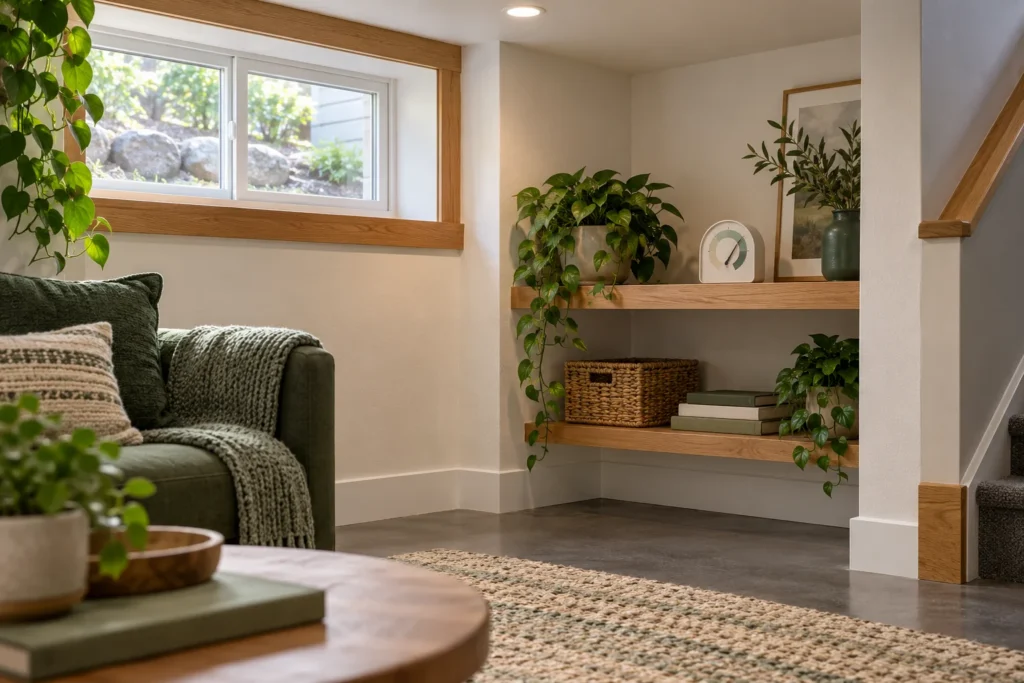
A small hard-surface spot is different from musty finished walls or repeatedly wet flooring.
The mark returns
A repeated stain or smell suggests the water source still needs investigation.
The finish is affected
Damp pad, peeling wall covering or softened drywall deserves a material assessment, not more paint.
The route is hidden
Mention window-well overflow, egress seams and the side of the house where water first appeared.
Why the service matters
Protect the Parts Worth Keeping
Mold removal should help you protect affected materials and understand the repairs ahead. A useful plan explains the water source, what can stay and what needs to come out.
Keep Undamaged Materials in Place
Match cleaning and removal to the condition of each material. A stain alone should not decide the fate of a whole finished room. Finished basement surfaces can conceal wet layers. Ask how the work area, drying checks and route through a split-level home affect the plan.
Help Keep Mold From Coming Back
Cleaning growth and correcting moisture belong in the same overall plan. Ask which leak repairs or rebuilding need another trade. Ask how finished basement surfaces and split-level access affect the recommendation for this property.
Keep Daily Life Moving During Cleanup
Know the work area, access limits and drying checks before replacement finishes close things up. Keep the explanation with the records for this home so the next decision does not depend on memory.
Sandy: practical detail
Check Behind Finished Basement Surfaces

For a finished Sandy basement, assess the material behind the visible spot without assuming a wider problem before inspection. Carpet pad, the bottom of drywall, and the wood plates behind it often hold moisture that has wicked in over years.
Access and Material Limits
We open the wall far enough to find clean, dry material, remove what cannot be saved, and dry the cavity before anything is closed back up.
We work around original materials where we can and tell you plainly when something has to come out.
Why choose Green Home Air
Why Choose Green Home Air for Mold?
Show each level and each separate air system. We can discuss the next step even if you do not have complete records.
Certified Help for Your Mold Problem
Our certified, insured and vetted technicians work as a uniformed team. You can ask who is coming and how the home will be protected. Mention finished basement surfaces and split-level access when arranging access.
Know Your Price Before Mold Removal
Your free visual inspection helps define the concern. If removal is recommended, review the written scope and price before paid work begins. Use the details about finished basement surfaces and split-level access to ask why each part of the proposed work is needed.
Know What Happens After Mold Cleanup
Ask what materials are affected, which drying checks remain and who will handle leak repair or rebuilding.
Before & After
See The Difference We Make
These are the kinds of mold problems we see in Utah homes. Drag the slider to compare before and after.
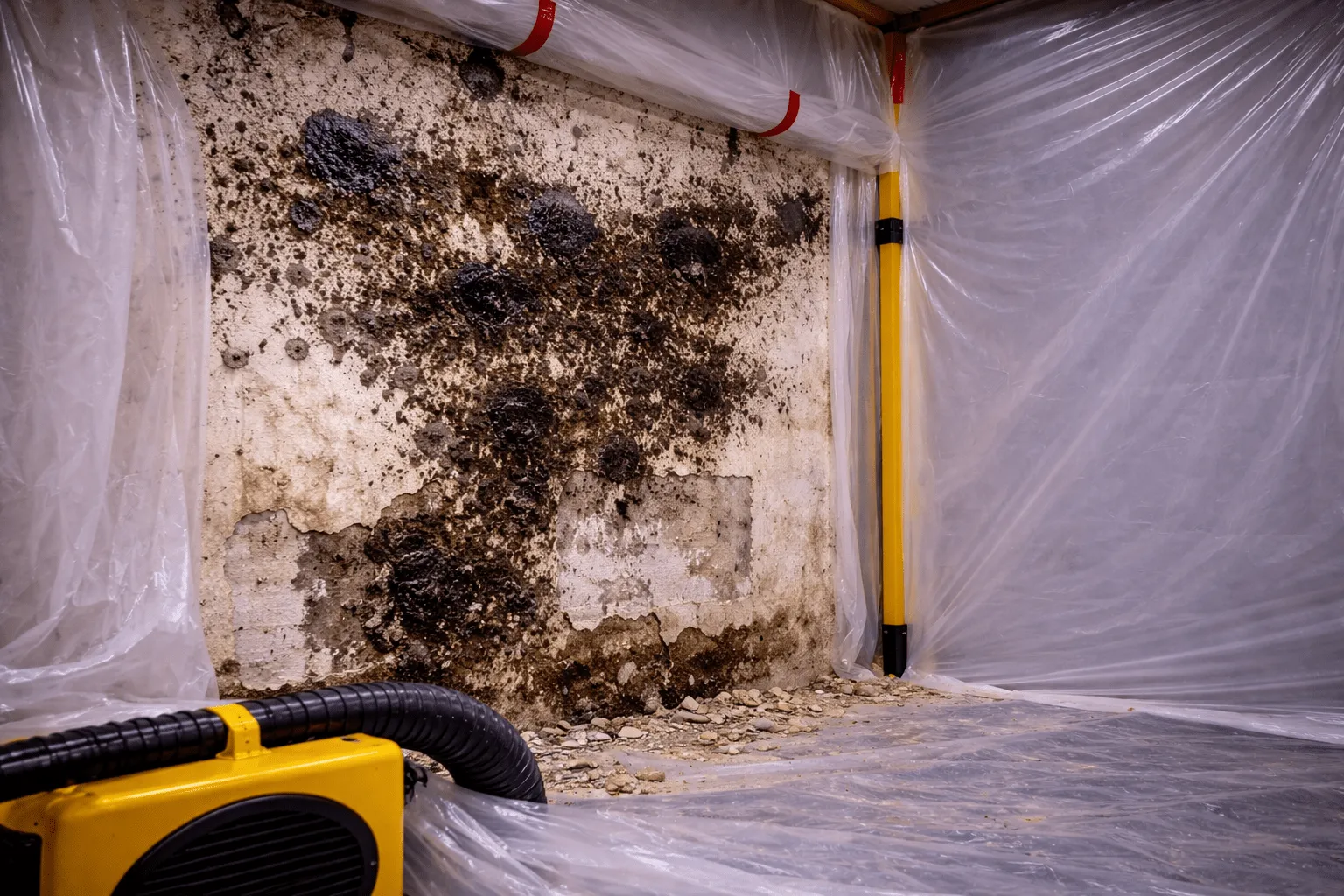
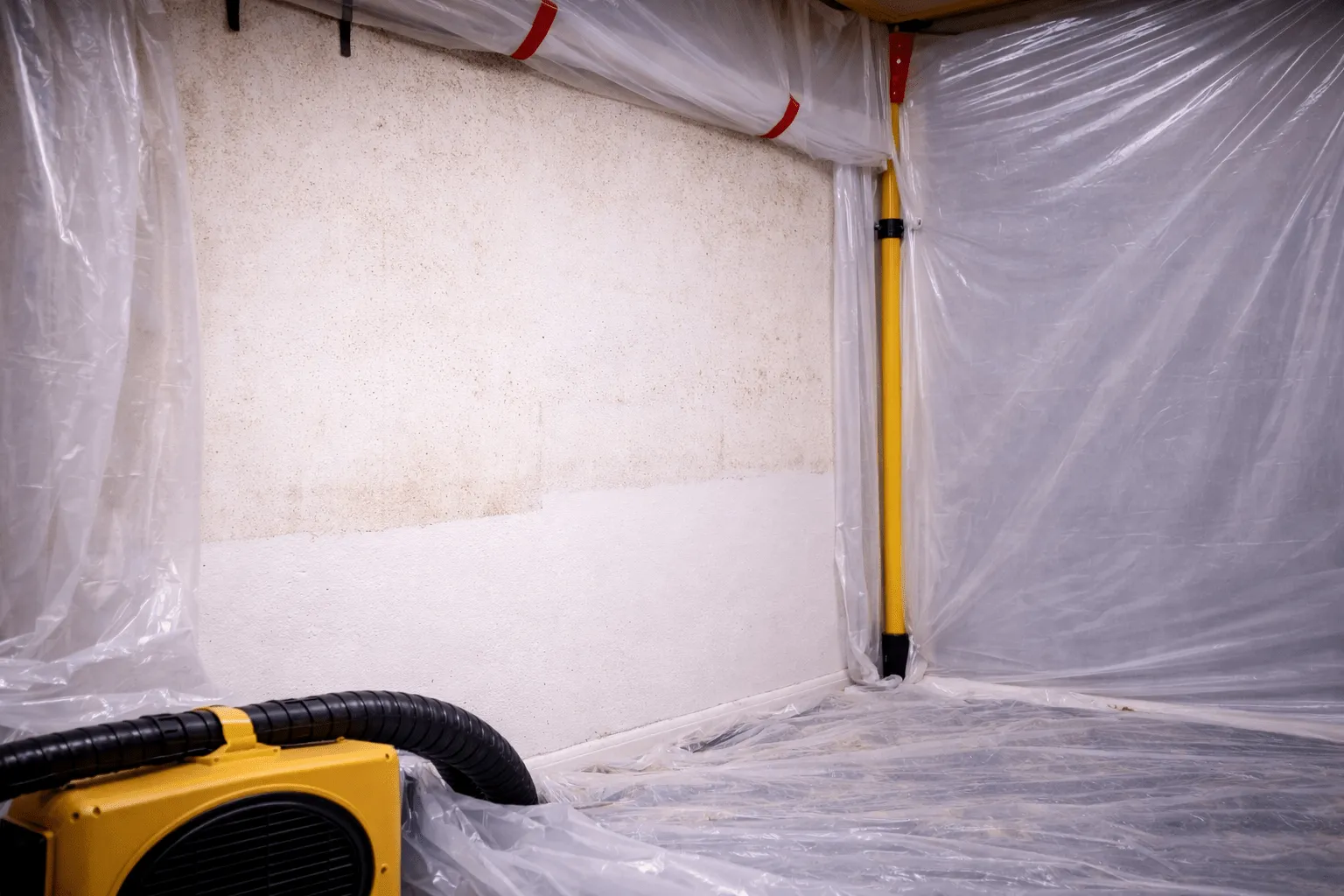
Wall Mold Remediation
Wall mold caused by a slow roof leak. The leak has to be fixed before the damaged material comes out.
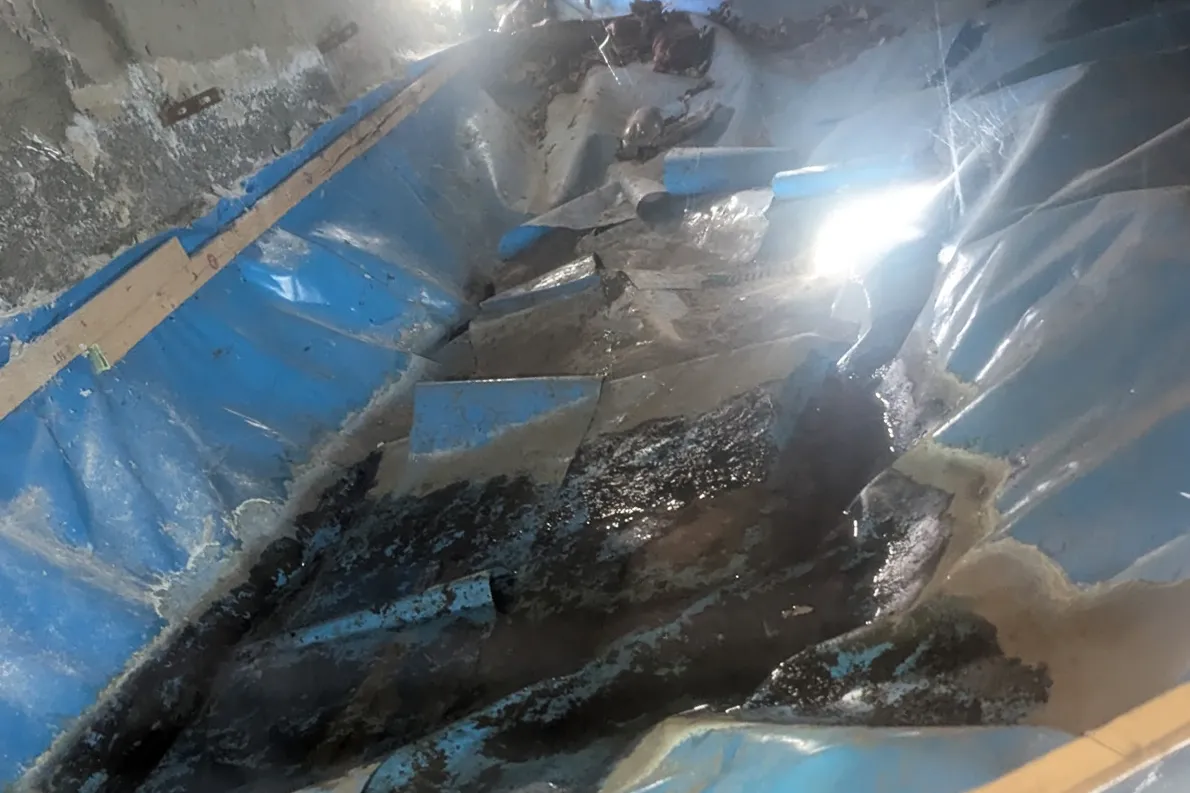
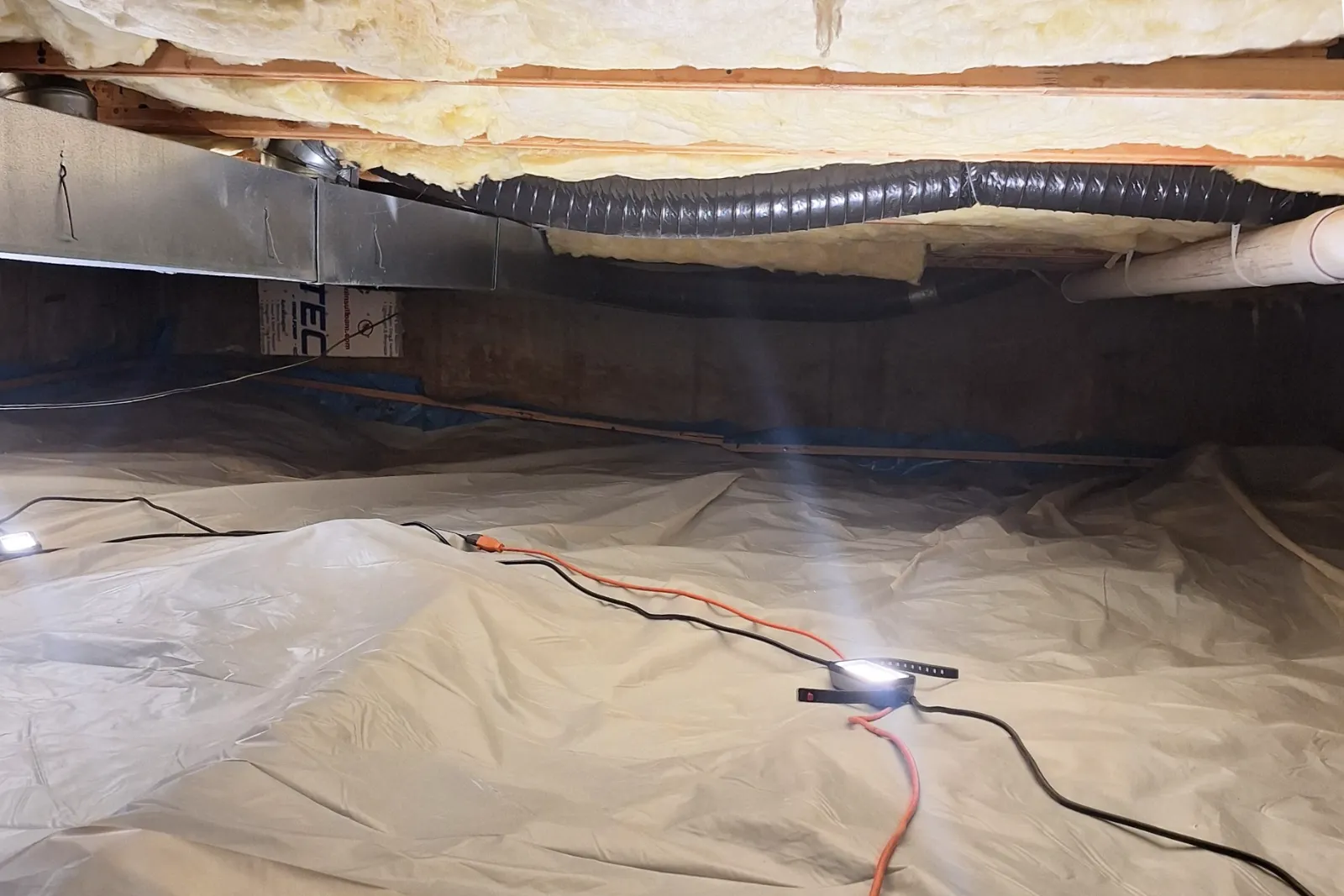
Basement Mold Removal
Mold growth across a basement after flooding. Drying the space comes first, then removal and cleanup.
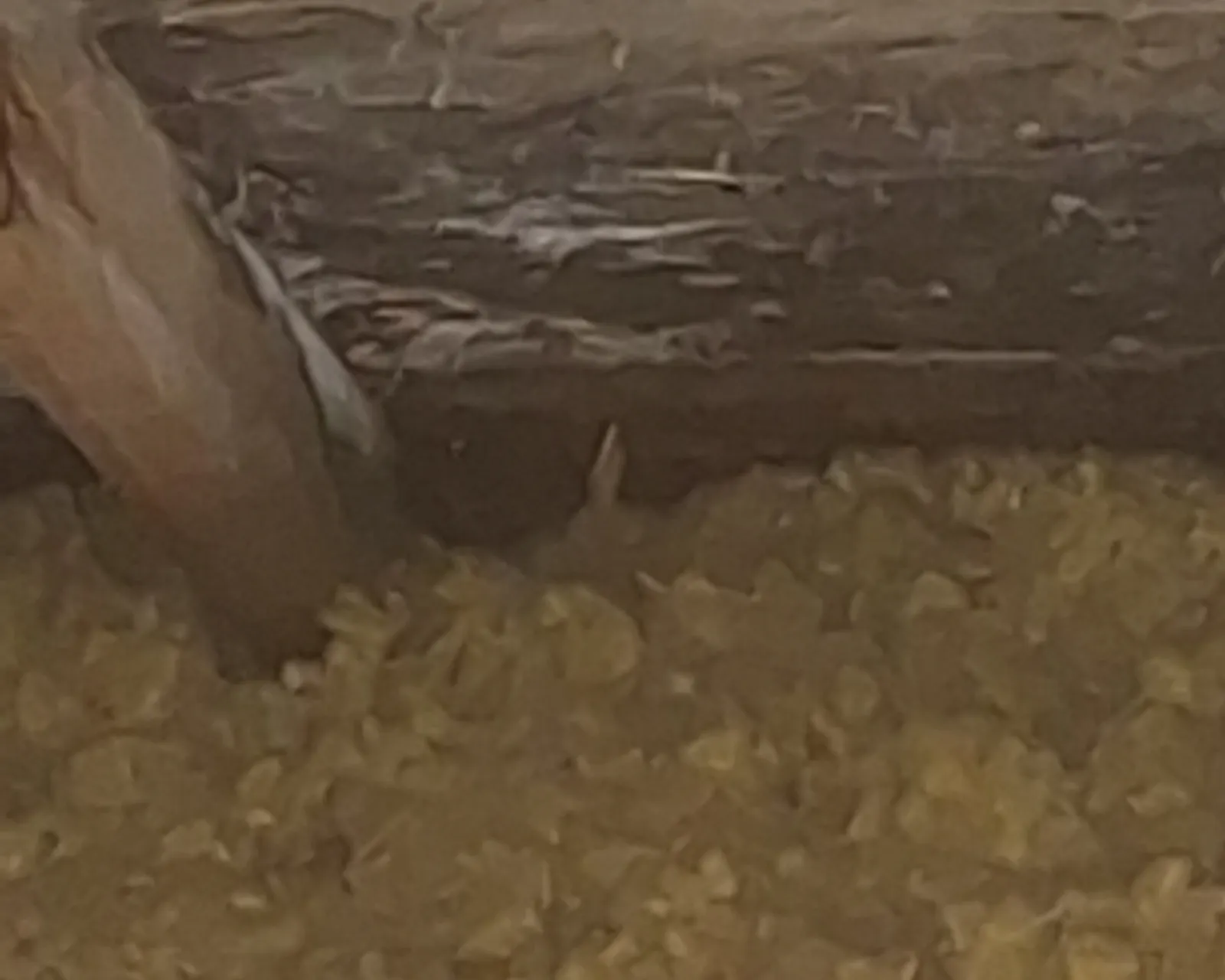
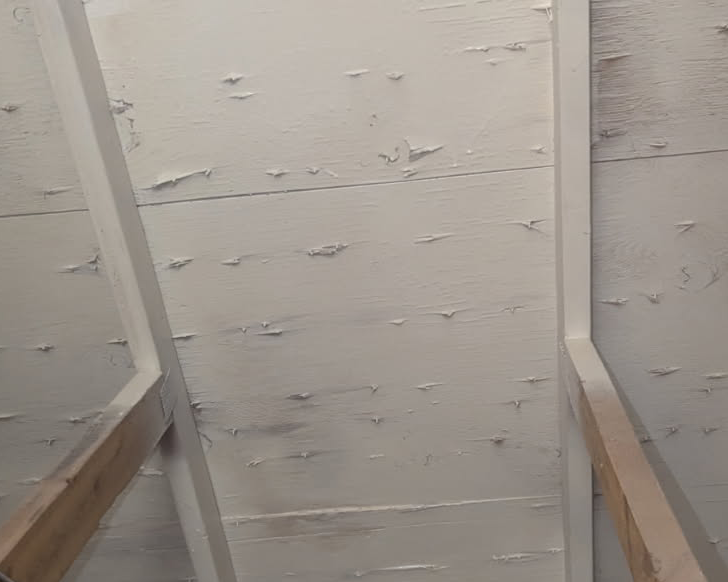
Attic Mold Remediation
Widespread attic mold from poor ventilation and a roof leak. Trapped humidity had spread across the rafters and sheathing before we contained and removed it.
Get a Free Estimate
We have hundreds more before/after photos. Call us today and we'll show you exactly what we can do for your home.
Testimonials
What Our Customers Say
Don't just take our word for it. See what Utah homeowners say about Green Home Air.

Before the visit
Plan Mold Work in Sandy
You do not need complete records to ask for help. For this visit, note finished basement surfaces and split-level access. Start with what you know, then discuss the visit, its limits and the proposed price.
Sandy removal
Find the Trigger Behind the Dampness
Keep the sequence tied to your own house; canyon proximity is not a diagnosis.

During melt or heavy rain
Look safely from indoors for window-well or lower-wall wetness. Do not enter floodwater to investigate.
After the surface dries
Check whether pad, stored items or wall edges remain damp or musty.
Before the room is covered
Arrange assessment where material stayed wet or damage is concealed. Agree the repair and drying plan first.
Sandy: practical detail
Know When Professional Removal Makes Sense
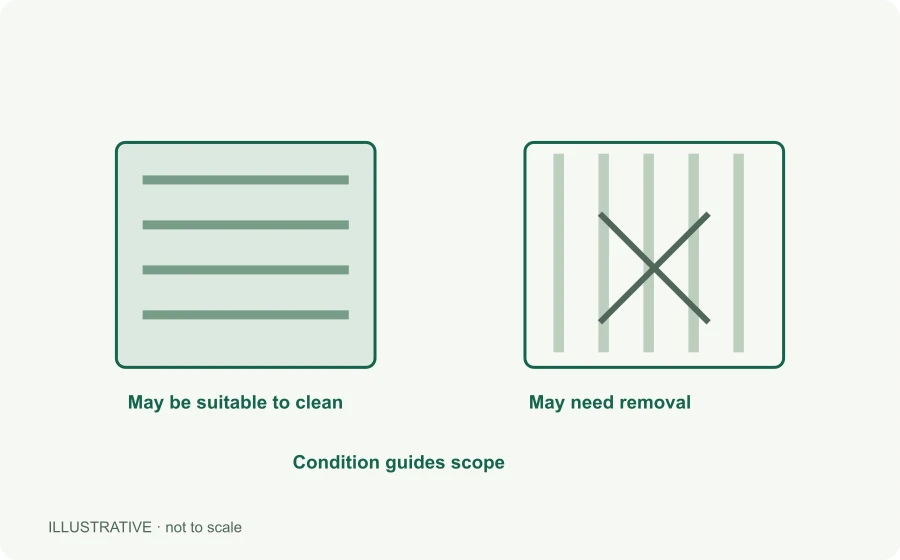
The EPA says most people can clean a moldy area of about 10 square feet or less on their own. Past that size, or when mold follows a real water event, containment and proper removal matter more. If your patch is small and the cause is fixed, we will tell you so.
Confirm the access and scope for your Sandy address directly.
Sandy removal
Plan Access Through Your Split-Level Home
Sandy split-level and finished-basement layouts can connect the affected room closely to living areas.
Stairs and shared rooms
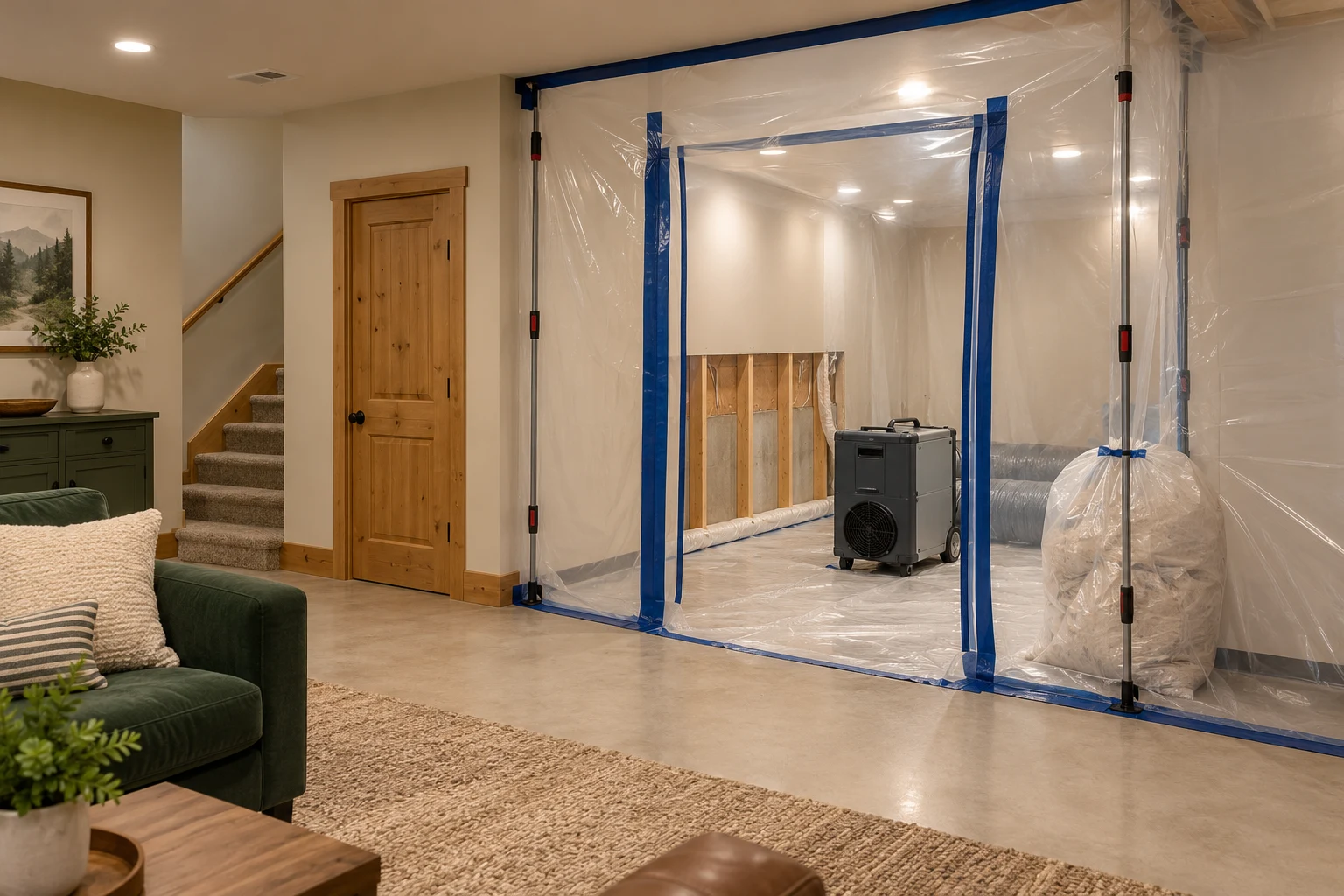
Identify the route for equipment and bagged materials so containment can be planned around normal household use.
The window-well edge
Describe exterior drainage observations and any recurring wet corner; assess the actual entry point.
Drying and re-entry
Ask which space stays restricted and what checks precede rebuilding. We explain which spaces stay restricted and what must be checked before they can be used again.
Sandy: practical detail
Know What Follows Mold Removal
Removing mold does not help for long if the moisture source stays. Before we leave, we walk you through what we found, whether that is a slow plumbing drip, a leaking water heater pan, or condensation on a cold foundation wall. Correcting the cause reduces the chance of recurrence; it is not a guarantee against every future water event.
Inside, the EPA recommends drying any water-damaged material within 24 to 48 hours and keeping indoor humidity below 60 percent, ideally 30 to 50. A basic humidity meter in the basement is an inexpensive way to catch a problem before it shows on the drywall.
Questions before you book
Your Questions Answered
What the Visit Can Show
What should be checked when mold appears in a Sandy basement?
Start with the actual moisture path: a plumbing leak, window well, drainage issue, condensation or a wet assembly concealed by finishes. Sandy's location and a basement's age do not establish the cause. Show us the stain or odor location and any past repairs. We assess the material involved and explain which source corrections are separate from mold removal.
Water Routes Near Your Home
Should I wait until after spring runoff to have mold removed?
Do not leave wet material untreated while waiting for runoff to end. Arrange prompt drying and assessment while the active source is investigated. Some exterior repairs may depend on safe access or weather, but that is a reason to coordinate the sequence, not assume the basement can stay wet. The cleanup plan should identify both immediate steps and remaining source work.
Prices and What Is Included
What drives the cost of mold removal in a Sandy home?
Mold removal typically costs $500 to $5,000+, depending on affected material, containment, access and drying needs. A finished Sandy basement may involve carpet pad, lower drywall or concealed framing; an unfinished utility area may offer simpler access. The inspection should establish what is actually involved. You receive a written scope rather than a price inferred from the home's bedroom count or neighborhood.
Can You Remove Mold in Winter?
Is winter a bad time to schedule mold removal in Sandy?
Winter does not automatically rule out assessment or interior cleanup. Confirm safe access, the moisture source and the drying plan; exterior repair feasibility may vary with the actual conditions. The important issue is avoiding prolonged wetness and coordinating any source repair before finishes are restored. We confirm the proposed sequence and availability for the Sandy property rather than promise an identical schedule in every season.
Insurance and Payment
Will my homeowners insurance cover mold removal in my Sandy basement?
It depends on your policy. Many Utah policies cover damage from a sudden event, like a burst pipe or failed water heater, but not mold from a slow, long-term leak or seepage. The Utah Insurance Department notes that standard homeowners policies generally do not cover flooding, which needs a separate flood policy. Read your policy, call your agent, and take photos before anything is removed.
Older Homes and Later Changes
I own an older home in the Sandy Historic District. Do you handle mold differently there?
Identify the actual foundation, later additions and known repair history during the inspection. A junction between an addition and the original house is worth checking when dampness or past water entry points there; age alone does not establish the source. We assess containment and material condition, explain what may be cleaned or must be removed, and identify any separate moisture-source repair before rebuilding.
Does a Small Patch Need Professional Removal?
My Sandy basement mold is smaller than a doormat. Do I really need you?
Size is one factor, not the whole decision. EPA guidance allows many homeowners to handle an area under about 10 square feet using suitable precautions, especially on hard surfaces. A damp porous wall, contaminated water, affected HVAC or a recurring hidden source may need a different approach. Measure the area, correct moisture and avoid covering visible growth with paint or fresh caulk.
Using Your Home During the Work
How long until we can use our finished basement again after mold removal in Sandy?
Return depends on the extent of removal, drying, access restrictions and any repair work still needed. Ask what checks will support release of the work area and who will rebuild removed finishes. EPA's recommendation to dry wet materials promptly is not a fixed reoccupancy clock. A small accessible repair and a wet finished-basement assembly can require very different sequences.
Find the right next step
More Services for Your Home
Whole Home Air Purification In Sandy
Compare filtration and coil UV-C, with equipment fit and maintenance explained.
Explore this service
Mold Inspection & Testing In Sandy
Understand moisture checks, optional sampling and the written information you can use.
Explore this service
Air Duct Cleaning In Sandy
Compare whole-system cleaning, access needs and when a visit makes sense.
Explore this serviceExplore service information by city
 Salt Lake CityMold Removal & Remediation In Salt Lake City
 West Valley CityMold Removal & Remediation In West Valley City
 West JordanMold Removal & Remediation In West Jordan
 ProvoMold Removal & Remediation In Provo
 South JordanMold Removal & Remediation In South Jordan
 St. GeorgeMold Removal & Remediation In St. George
 LehiMold Removal & Remediation In Lehi
 MurrayMold Removal & Remediation In Murray
 MillcreekMold Removal & Remediation In Millcreek
 HolladayMold Removal & Remediation In Holladay
 Cottonwood HeightsMold Removal & Remediation In Cottonwood Heights
Local photo credits
- Ntsimp · Photo source · CC0. Resized and cropped.
- Scott Catron from Sandy, Utah, USA · Photo source · CC BY-SA 2.0. Resized and cropped.
- Ntsimp · Photo source · CC0. Resized and cropped.
- Pollardjosephd · Photo source · CC BY-SA 4.0. Resized and cropped.
- An Errant Knight · Photo source · CC BY-SA 4.0. Resized and cropped.
- Bindersbee · Photo source · Public domain. Resized and cropped.
- Creator: Javin Weaver · Photo source · CC BY-SA 3.0. Resized and cropped.
- formulanone · Photo source · CC BY-SA 2.0. Resized and cropped.
- bob · Photo source · CC BY-SA 4.0. Resized and cropped.
- Ntsimp · Photo source · Public domain. Resized and cropped.
- CountyLemonade/CL · Photo source · CC BY 3.0. Resized and cropped.
- Henry Shriber · Photo source · CC BY-SA 4.0. Resized and cropped.
- Derrellwilliams · Photo source · CC BY-SA 4.0. Resized and cropped.
- Cindi & Jason · Photo source · CC BY 2.0. Resized and cropped.


Get In Touch
Get a Free Estimate
Schedule your free mold inspection today. Our team is standing by to help protect your home and family.
24/7 Emergency Line
Email Us
Service Area
Sandy & Surrounding Areas
Business Hours
Mon-Sat 8am-7pm | 24/7 Emergency
Fill out the form and our team will reach out to you promptly.