
Get a free estimate
Free visual inspection. Optional lab testing costs extra.
We use your details to respond to your service request. Privacy Policy
Millcreek removal
What Is Happening in Your Home?
Millcreek removal
Track When Basement Dampness Appears
For a Millcreek home, connect the stain to its timing before assuming a creek, a slope or a pipe is responsible.
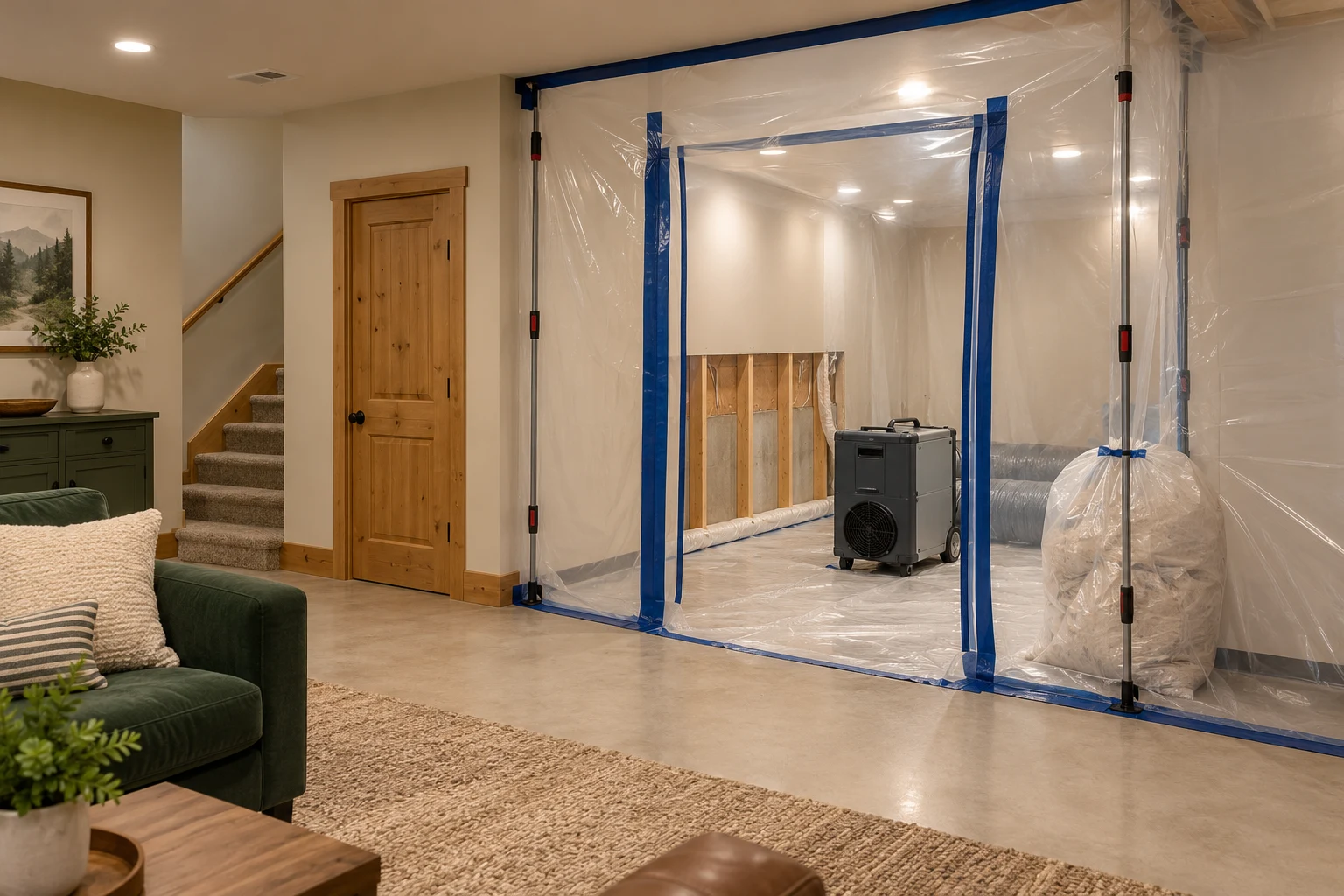
Water arrives
Note snowmelt, rain, irrigation or a plumbing incident and the first wet location.
Finishes hide the wetness
Pad and lower wall cavities can stay damp after the exposed surface appears dry.
The room is repaired
Check the source and material drying before reinstating the finish; a new coating is not moisture control.
Why the service matters
Protect the Parts Worth Keeping
Mold removal should help you protect affected materials and understand the repairs ahead. A useful plan explains the water source, what can stay and what needs to come out.
Keep Undamaged Materials in Place
Match cleaning and removal to the condition of each material. A stain alone should not decide the fate of a whole finished room. An older house with new finishes needs careful access planning. Share when dampness appears and which basement rooms must stay outside the work area.
Help Keep Mold From Coming Back
Cleaning growth and correcting moisture belong in the same overall plan. Ask which leak repairs or rebuilding need another trade. Ask how later finishes, dampness timing and occupied rooms affect the recommendation for this property.
Keep Daily Life Moving During Cleanup
Know the work area, access limits and drying checks before replacement finishes close things up. Keep the explanation with the records for this home so the next decision does not depend on memory.
Millcreek: practical detail
Check New Finishes in Older Millcreek Homes
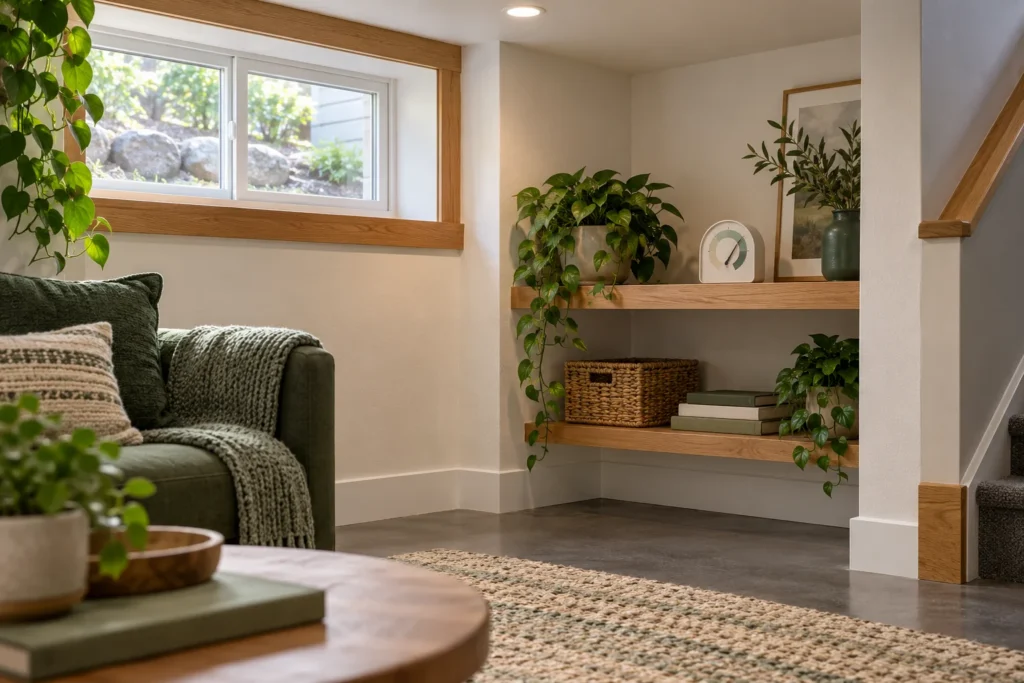
An older basement may have received carpet, paneling or drywall long after the house was built. The finish can hide the joint with the original foundation and make a lower-wall moisture problem harder to see.
During an assessment, the visible spot is a starting point. The wall base, pad and framing may need access, but that does not justify removing unaffected material. The scope should explain containment, what can be cleaned, what must be removed and the drying checks before a new finish.
Why choose Green Home Air
Why Choose Green Home Air for Mold?
Show slopes, remodels and shared equipment. We can discuss the next step even if you do not have complete records.
Certified Help for Your Mold Problem
Our certified, insured and vetted technicians work as a uniformed team. You can ask who is coming and how the home will be protected. Mention later finishes, dampness timing and occupied rooms when arranging access.
Know Your Price Before Mold Removal
Your free visual inspection helps define the concern. If removal is recommended, review the written scope and price before paid work begins. Use the details about later finishes, dampness timing and occupied rooms to ask why each part of the proposed work is needed.
Know What Happens After Mold Cleanup
Ask what materials are affected, which drying checks remain and who will handle leak repair or rebuilding.
Before & After
See The Difference We Make
These are the kinds of mold problems we see in Utah homes. Drag the slider to compare before and after.
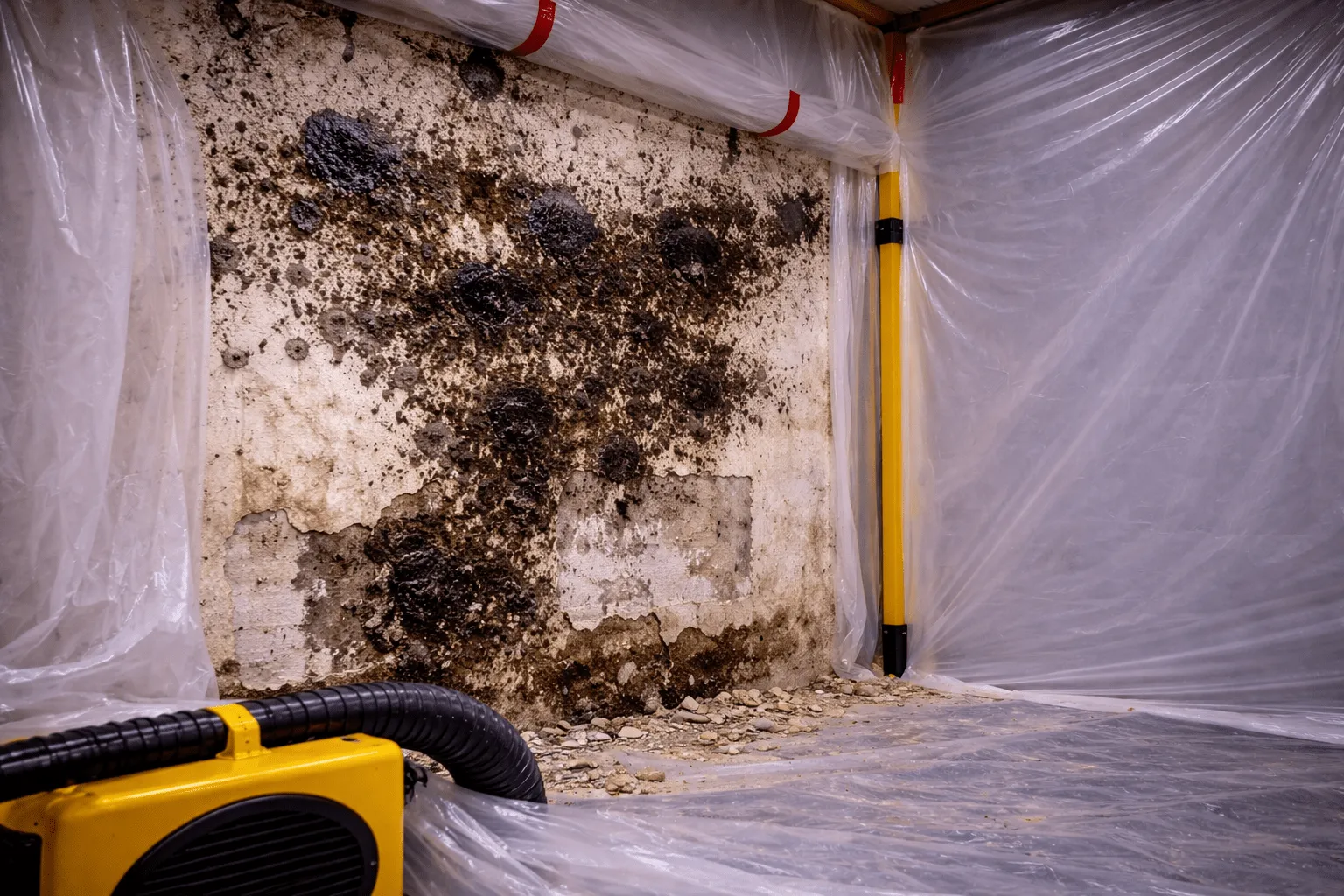
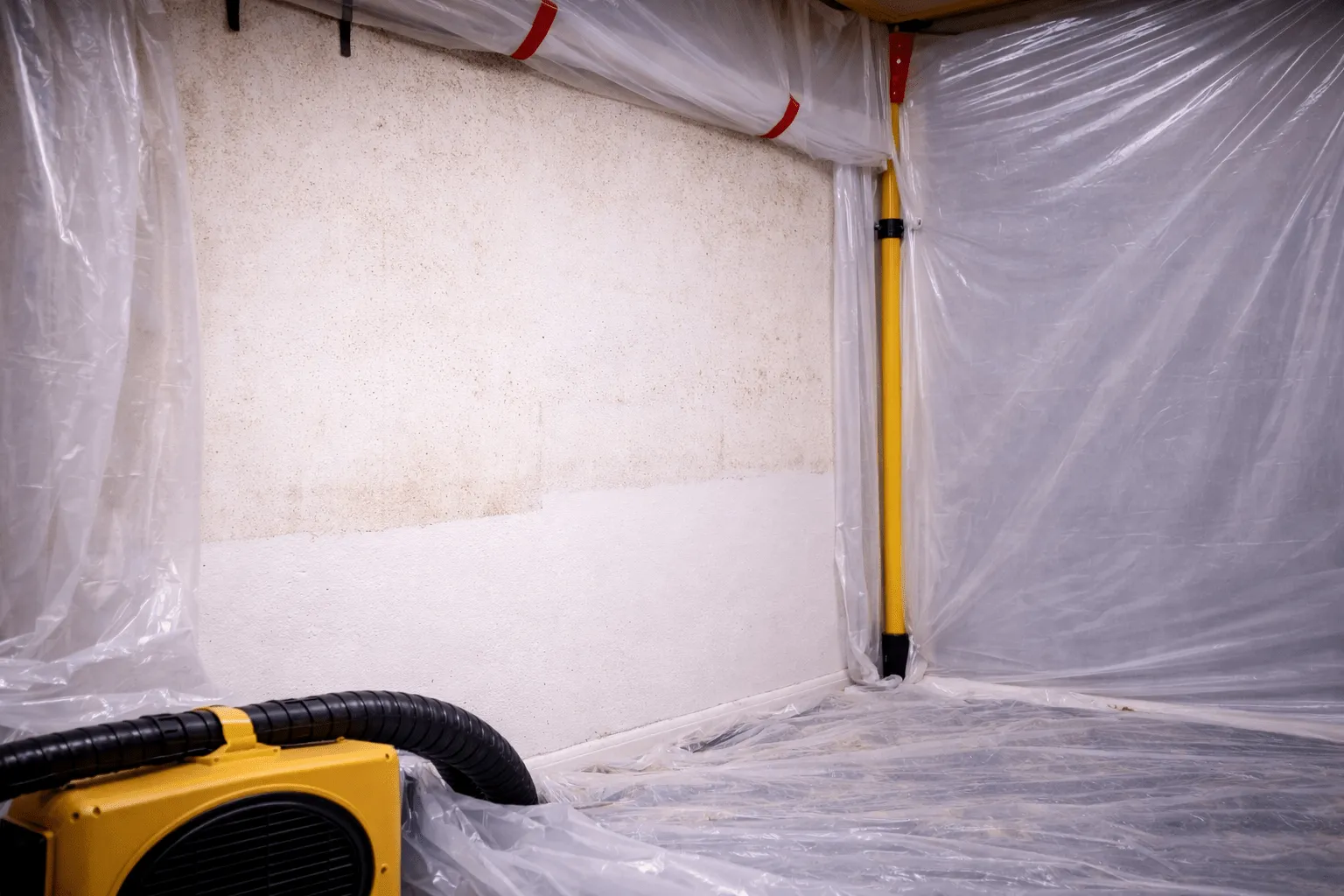
Wall Mold Remediation
Wall mold caused by a slow roof leak. The leak has to be fixed before the damaged material comes out.
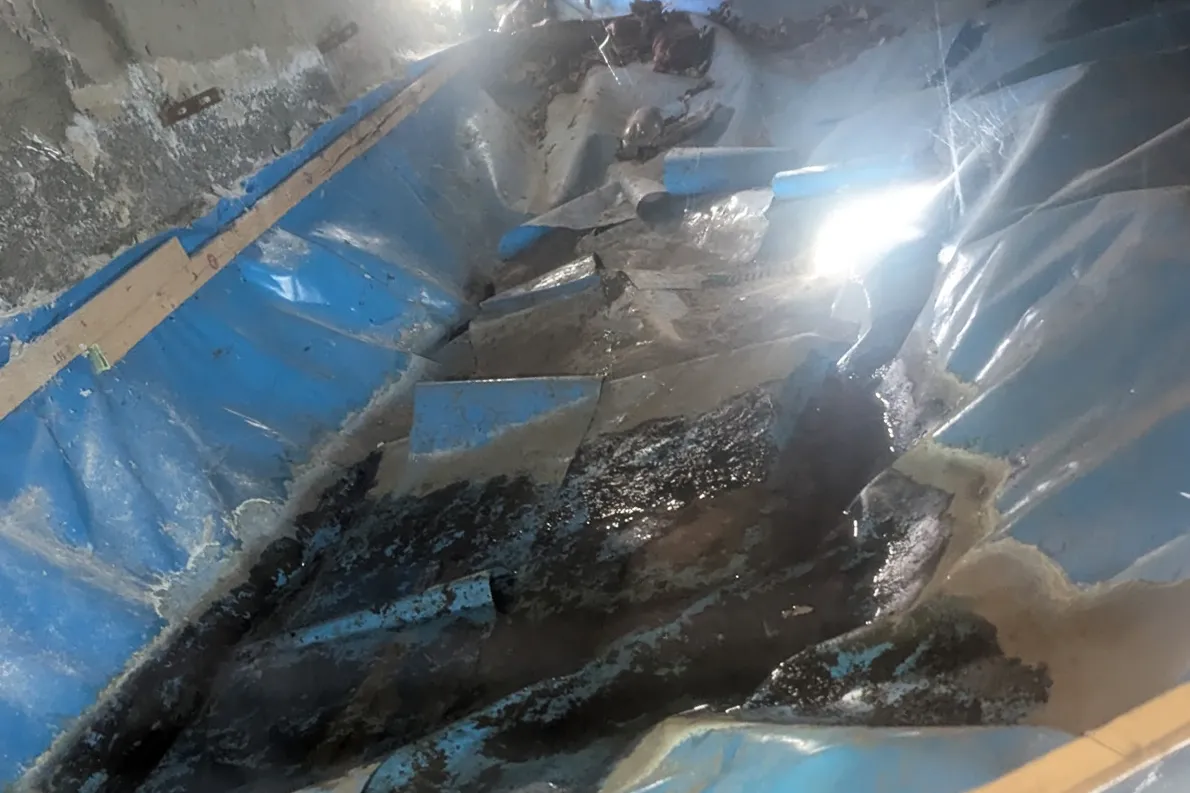
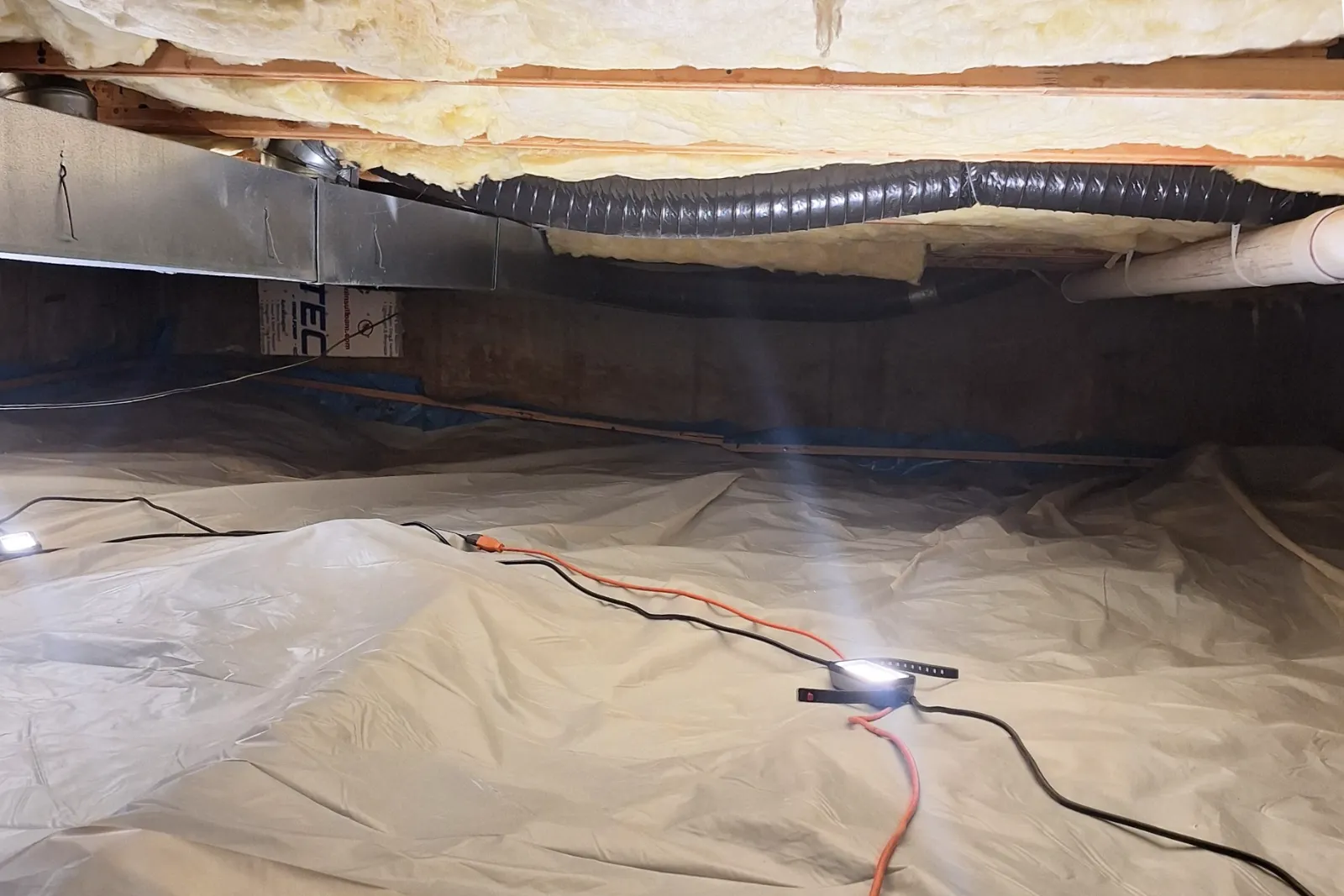
Basement Mold Removal
Mold growth across a basement after flooding. Drying the space comes first, then removal and cleanup.
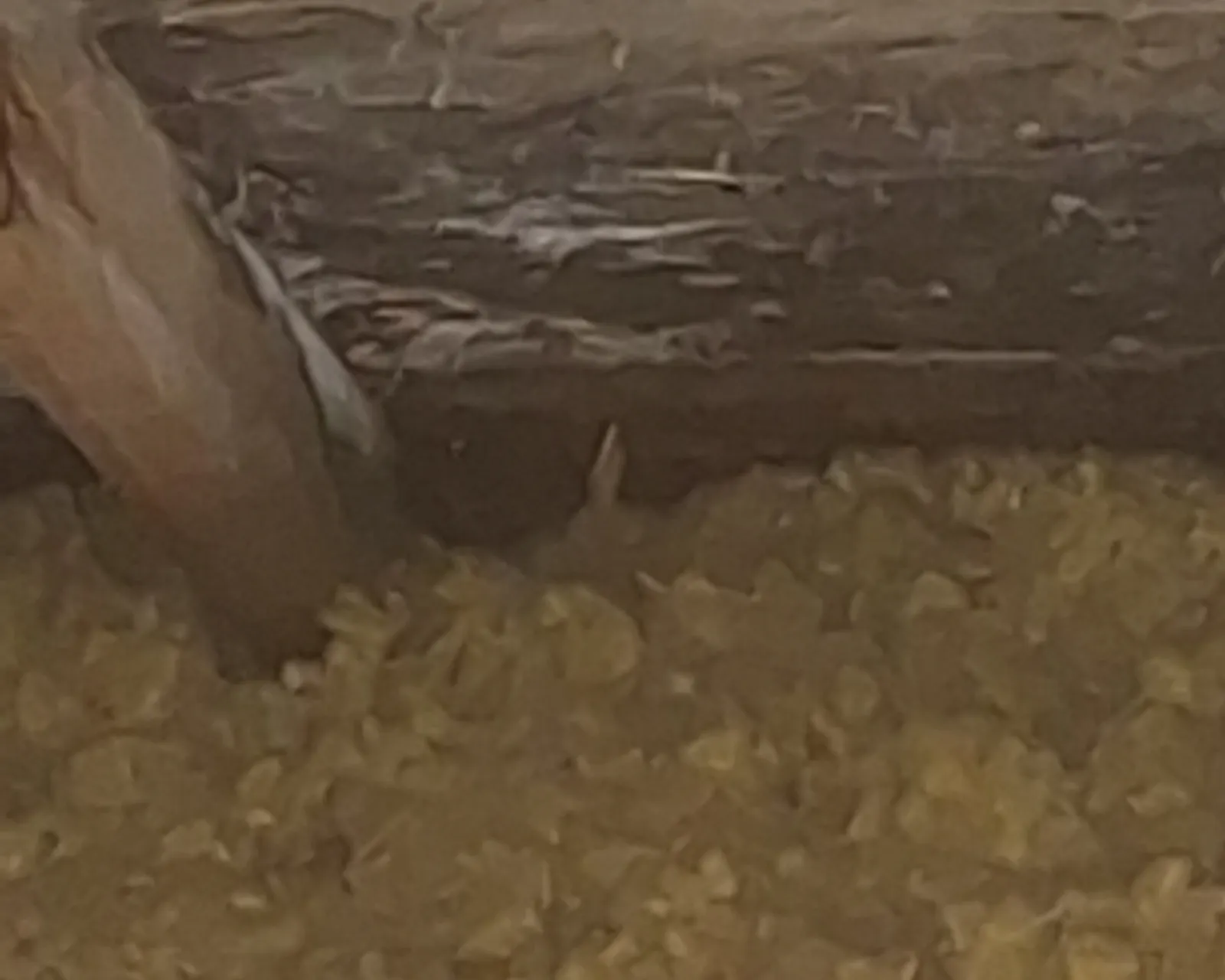
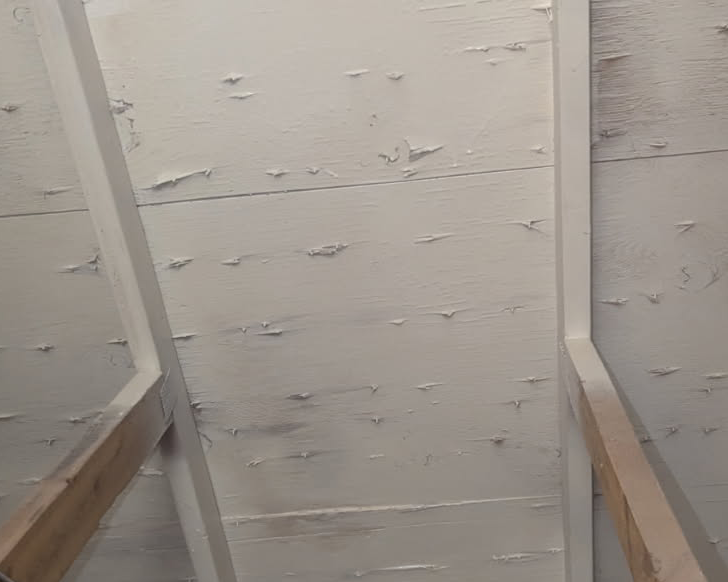
Attic Mold Remediation
Widespread attic mold from poor ventilation and a roof leak. Trapped humidity had spread across the rafters and sheathing before we contained and removed it.
Get a Free Estimate
We have hundreds more before/after photos. Call us today and we'll show you exactly what we can do for your home.
Testimonials
What Our Customers Say
Don't just take our word for it. See what Utah homeowners say about Green Home Air.

Before the visit
Plan Mold Work in Millcreek
You do not need complete records to ask for help. For this visit, note later finishes, dampness timing and occupied rooms. Start with what you know, then discuss the visit, its limits and the proposed price.
Millcreek removal
Plan Work Around a Lived-In Basement
Older finishes and later alterations make the room layout important to a Millcreek removal plan.
Behind lower walls
Assess the drywall edge, plate and adjoining finishes rather than treating visible growth as the whole scope.
Around occupied rooms
Agree containment and access with the people using the house.
At slope or plumbing routes
Use the actual wet pattern to guide investigation. Municipal floodplain information is context, not a diagnosis for the entire city.
Millcreek: practical detail
Trace Water From Slopes and Plumbing


Millcreek runs from the valley floor up into the Wasatch foothills. Water moves downhill through that slope every spring.
Plenty of cases start with something quieter:
- a water heater or furnace humidifier dripping in a utility room
- a window well that fills with snowmelt and seeps through the sill
- a supply line leaking behind a basement bathroom wall
- soil that slopes toward the foundation instead of away from it
Millcreek removal
Ask Before Rebuilding the Room
The final conversation should connect the cleaned area to the next practical step.
What was removed?
Identify affected finishes and the surfaces retained after cleaning.
What is dry?
Review the drying checks and any cavity that must remain open.
What remains to fix?
Document the water-control and rebuilding responsibilities so the owner can arrange the right work.
Millcreek: practical detail
Know How the Work Area Is Sealed
Removing mold should not spread it to the rest of the house. We contain the work area so dust stays where we are working, take out the damaged material, clean what remains and dry it.
The EPA says people can usually clean an area smaller than about 10 square feet on their own, as long as the moisture problem is fixed. Past that size, or after a real water event, containment matters much more. If your patch is small enough to handle yourself, we will tell you.
Millcreek: practical detail
Address Moisture Before It Returns
Ongoing water entry can undermine removal, so source control belongs in the plan. Before we leave, we show you what we found and what caused it. The EPA recommends drying water-damaged materials within 24 to 48 hours and keeping indoor humidity below 60 percent, ideally between 30 and 50.
Questions before you book
Your Questions Answered
Prices and What Is Included
What drives the cost of mold removal in a Millcreek home?
Mold removal typically costs $500 to $5,000+, depending on the material involved, access and containment. A Millcreek basement with multiple finished rooms can need more opening and coordination than a small exposed wall. We assess the actual wet area and provide a written scope distinguishing remediation from source repair and later rebuilding.
Should Mold Removal Wait Until Spring?
Can mold removal in Millcreek wait until the ground thaws?
Do not leave an active leak or wet interior untreated solely because the ground is frozen. Arrange assessment and drying while the source is investigated. Exterior repair options depend on safe access and actual site conditions, so a temporary measure and later permanent work may need coordination. The cleanup plan should state what can happen now and which repairs remain outstanding.
Insurance and Payment
Will my homeowners insurance pay for mold removal in Utah?
The answer depends on the cause, the policy's mold provisions and the insurer's decision. Utah's Insurance Department notes that flood damage generally needs separate coverage; those terms should be checked directly rather than assuming a waiting period or benefit. Document the Millcreek damage when safe and ask your agent what is required. Our written findings support the conversation without determining payment.
Does Living Near Mill Creek Matter?
My Millcreek house is close to Mill Creek. Is my basement at higher risk?
Proximity to Mill Creek does not establish the condition of the basement. Use current municipal flood information to understand local context, then examine the property's actual water history and observed dampness. A public map is not a mold inspection. If water has entered, identify the source and assess the affected assembly so cleanup and any drainage or plumbing work are properly coordinated.
Where Does Hillside Basement Water Come From?
Our Olympus Cove home is on a hillside. Where does basement water usually come from?
On a hillside, trace where water actually travels: surface runoff, downspout discharge, a window well or a plumbing leak may need different work. An uphill wall is not automatically the source. Photos during a wet event and records of past repairs can help the investigation. We assess affected materials; grading, drainage or foundation repairs should have a clearly identified responsible contractor.
Who Handles Mold Questions in Rentals?
Does the Salt Lake County Health Department handle mold in Millcreek rentals?
Salt Lake County says its housing program cannot respond to mold unless an active water leak was not caused by the occupant. Report a qualifying active leak through its current process and notify the owner. Private evaluation or remediation is separate and needs agreed authorization and access. A tenant should not assume they must disturb suspect walls or carry out the owner's repairs.
When Can We Use the Basement Again?
How soon can we use our Millcreek basement again after mold removal?
Readiness depends on the cleanup scope, drying checks, containment release and any reconstruction still needed. A short access estimate is not a guarantee that a concealed assembly will dry on schedule. Ask what evidence supports the next stage and who will restore removed material. We explain the sequence for your Millcreek basement instead of treating a fixed number of days as proof of readiness.
Do You Remove Mold in Apartments?
Do you remove mold in Millcreek condos and apartments?
Yes, we assess Millcreek condos and apartments as well as houses. Coordinate with the owner or association where shared walls, common plumbing or building access are involved. The source may cross a unit boundary, so authorization and responsibility need clarification before opening material. The written scope should identify the affected area, containment and any work that belongs to another party.
Find the right next step
More Services for Your Home

Whole Home Air Purification In Millcreek
Compare filtration and coil UV-C, with equipment fit and maintenance explained.
Explore this service
Mold Inspection & Testing In Millcreek
Understand moisture checks, optional sampling and the written information you can use.
Explore this service
Air Duct Cleaning In Millcreek
Compare whole-system cleaning, access needs and when a visit makes sense.
Explore this serviceExplore service information by city
 Salt Lake CityMold Removal & Remediation In Salt Lake City
 West Valley CityMold Removal & Remediation In West Valley City
 West JordanMold Removal & Remediation In West Jordan
 ProvoMold Removal & Remediation In Provo
 SandyMold Removal & Remediation In Sandy
 South JordanMold Removal & Remediation In South Jordan
 St. GeorgeMold Removal & Remediation In St. George
 LehiMold Removal & Remediation In Lehi
 MurrayMold Removal & Remediation In Murray
 HolladayMold Removal & Remediation In Holladay
 Cottonwood HeightsMold Removal & Remediation In Cottonwood Heights
Local photo credits
- Ntsimp · Photo source · CC0. Resized and cropped.
- MD.millcreekut · Photo source · CC0. Resized and cropped.
- Haileygrandy · Photo source · CC BY-SA 4.0. Resized and cropped.
- Pollardjosephd · Photo source · CC BY-SA 4.0. Resized and cropped.
- An Errant Knight · Photo source · CC BY-SA 4.0. Resized and cropped.
- Bindersbee · Photo source · Public domain. Resized and cropped.
- Creator: Javin Weaver · Photo source · CC BY-SA 3.0. Resized and cropped.
- RyanSr3607 · Photo source · CC BY-SA 4.0. Resized and cropped.
- formulanone · Photo source · CC BY-SA 2.0. Resized and cropped.
- bob · Photo source · CC BY-SA 4.0. Resized and cropped.
- Ntsimp · Photo source · Public domain. Resized and cropped.
- CountyLemonade/CL · Photo source · CC BY 3.0. Resized and cropped.
- Derrellwilliams · Photo source · CC BY-SA 4.0. Resized and cropped.
- Cindi & Jason · Photo source · CC BY 2.0. Resized and cropped.


Get In Touch
Get a Free Estimate
Schedule your free mold inspection today. Our team is standing by to help protect your home and family.
24/7 Emergency Line
Email Us
Service Area
Millcreek & Surrounding Areas
Business Hours
Mon-Sat 8am-7pm | 24/7 Emergency
Fill out the form and our team will reach out to you promptly.