
24/7 Emergency Mold Removal Services
Utah's Trusted Mold Remediation Experts
Protect your family's health and your home's value. Our certified technicians eliminate mold at the source with proven, safe removal techniques.
Breathe Easier at Home
When Your Home May Be Affecting Your Health
When physicians can't explain chronic symptoms, they send patients to Green Home Air. Hidden mold is a silent health crisis — and we've helped thousands of Utah families get their lives back.
Cognitive issues
Brain fog, memory loss, difficulty concentrating
Respiratory Problems
Coughing, wheezing, congestion, sinus pressure
Fatigue & Weakness
Low energy, poor sleep, feeling drained
Allergic Reactions
Sneezing, itchy eyes, headaches, skin irritation
Mold exposure can affect health, especially for individuals with allergies, asthma, or weakened immune systems. According to public health guidance, mold can cause symptoms such as nasal congestion, coughing, wheezing, throat irritation, and eye or skin irritation. Prolonged exposure may worsen respiratory conditions and trigger asthma attacks, making prompt identification and removal important for maintaining a healthy indoor environment.
- Centers for Disease Control and Prevention (CDC)
Think Mold is Affecting Your Health?
Call us today. We'll inspect your home and give you answers — fast.
Free Inspection For Salt Lake & Summit County
Why Act Now
Mold Is More Than an Eyesore
Hidden mold can release toxic spores into your air, affecting your family's health and damaging your property's value. Don't let a small problem become a major crisis.
- Health Issues
- Property Damage
- Family Safety
Real Results
See The Difference We Make
Every job tells a story. Behind each of these photos is a family that got their health and home back. Drag the slider to compare before and after.
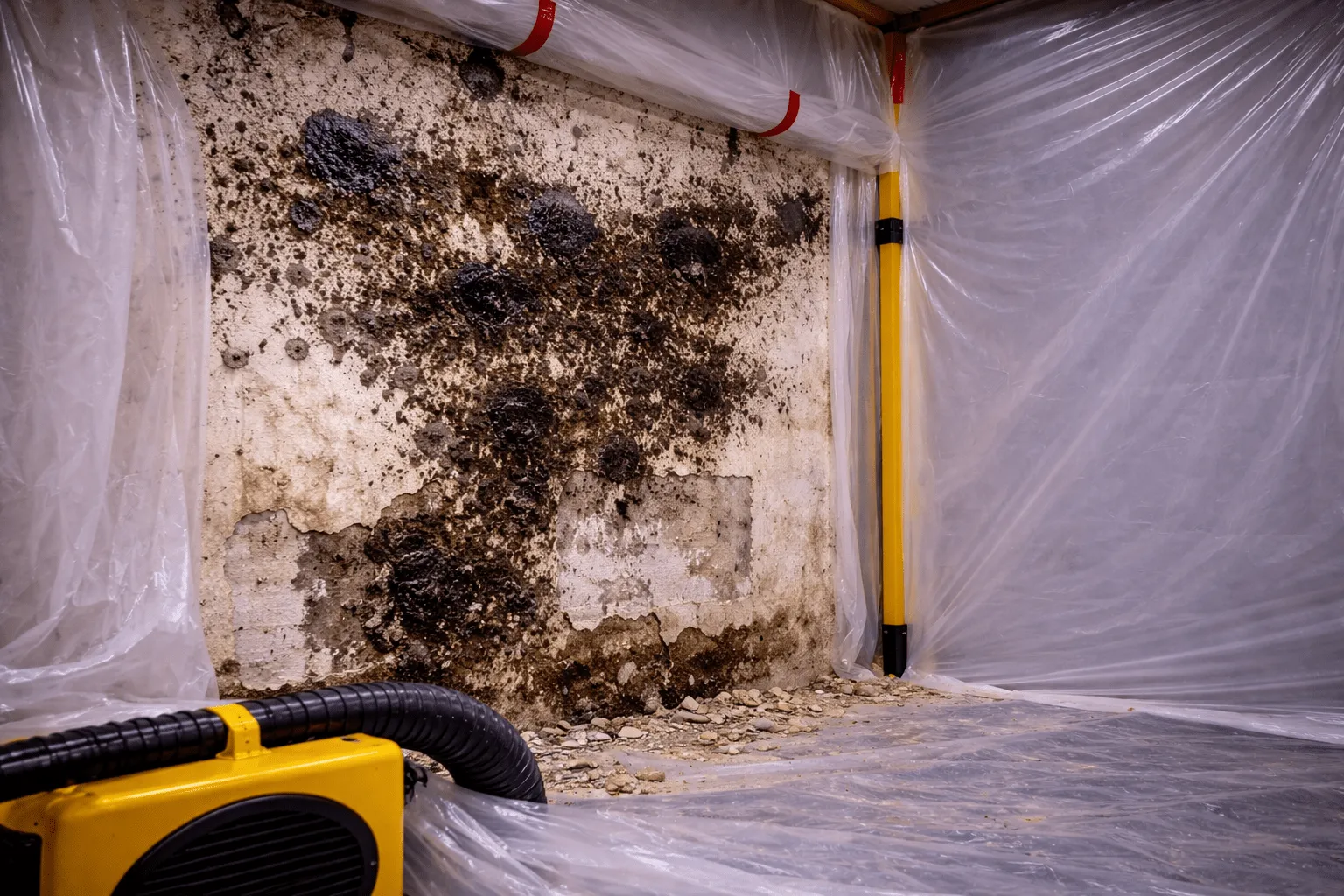
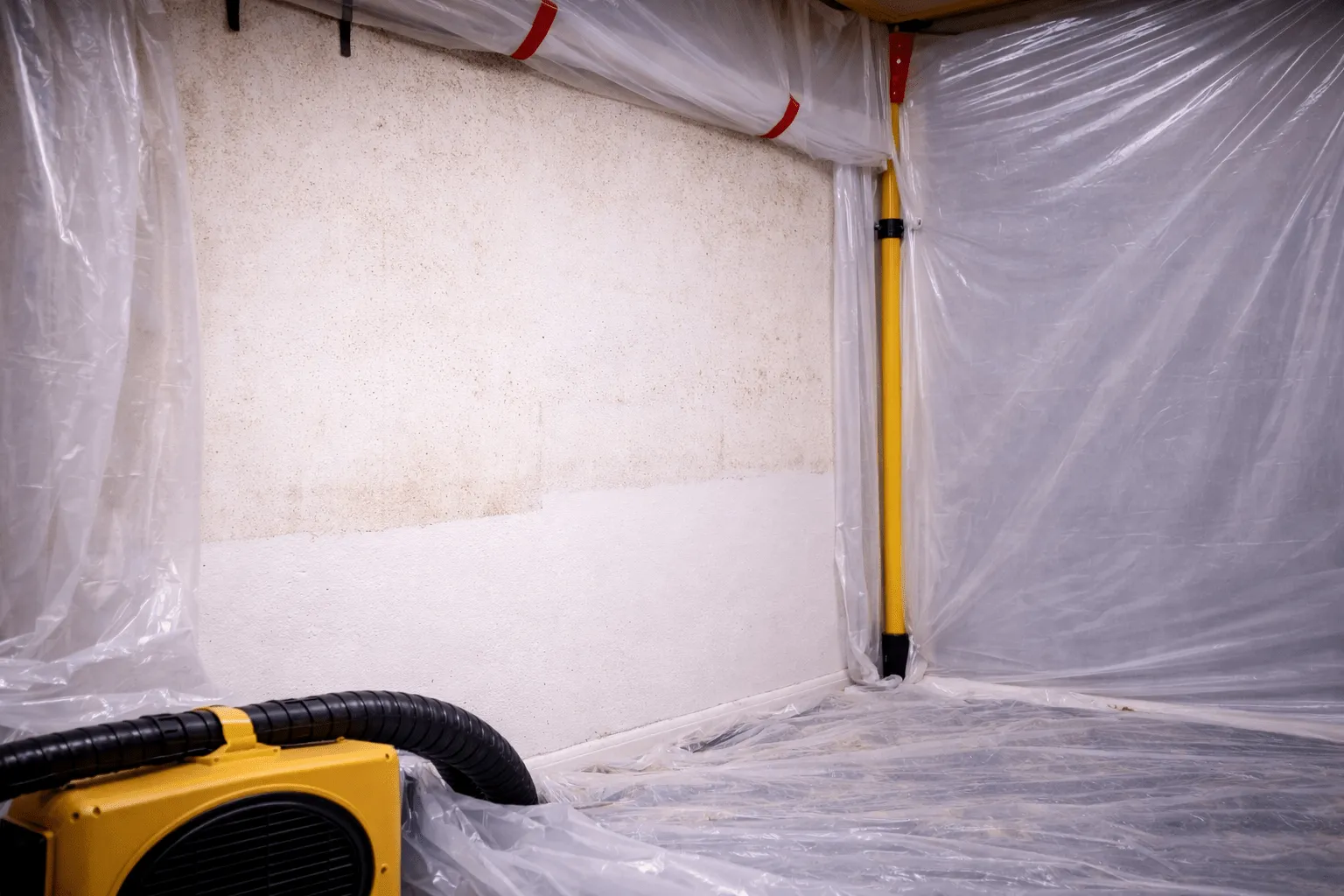
Wall Mold Remediation
Salt Lake City, UT
Hidden wall mold from a slow roof leak was removed, treated, and contained so the family could safely use the space again.
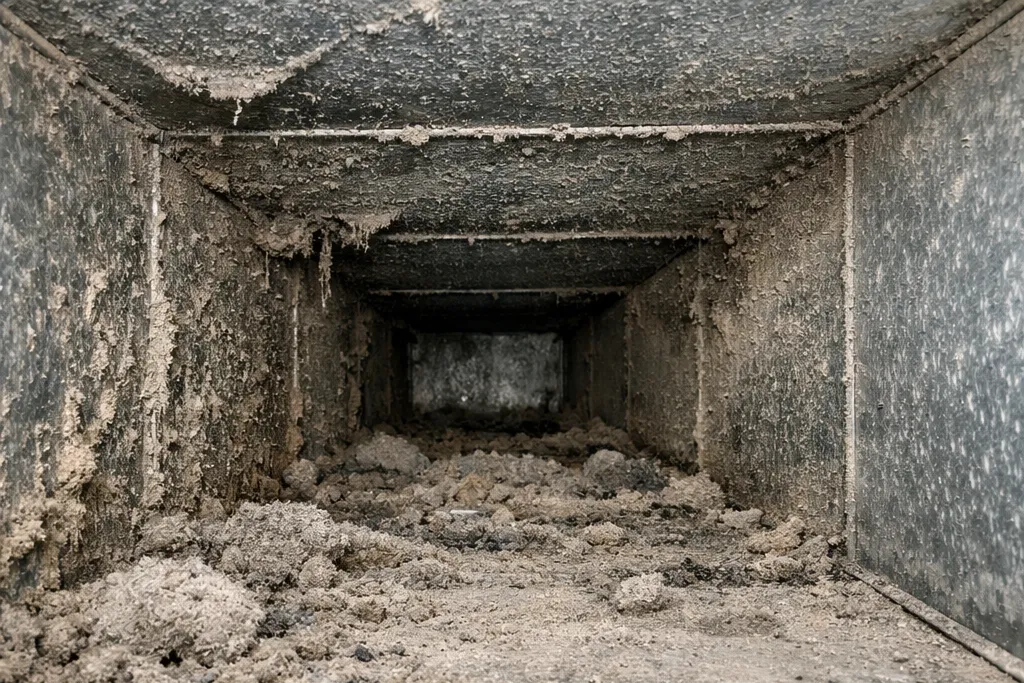
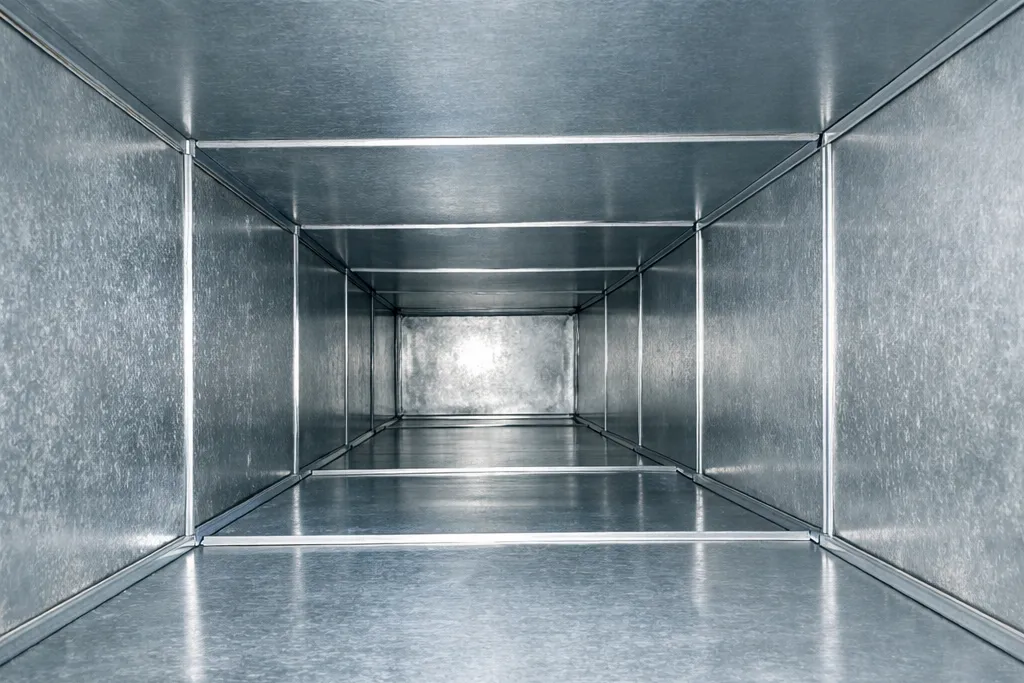
Air Duct Cleaning
Sandy, UT
Built-up dust and contamination were cleared from the duct system to help improve airflow and reduce what the family was breathing.
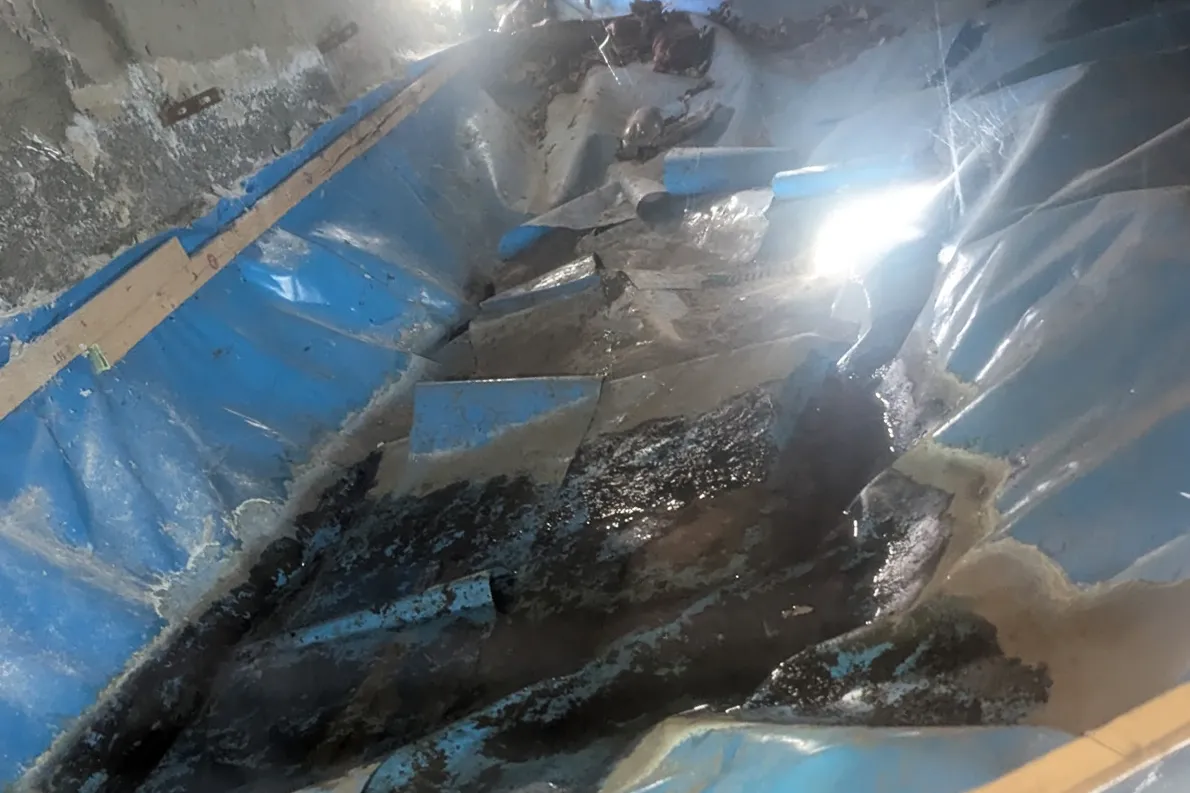
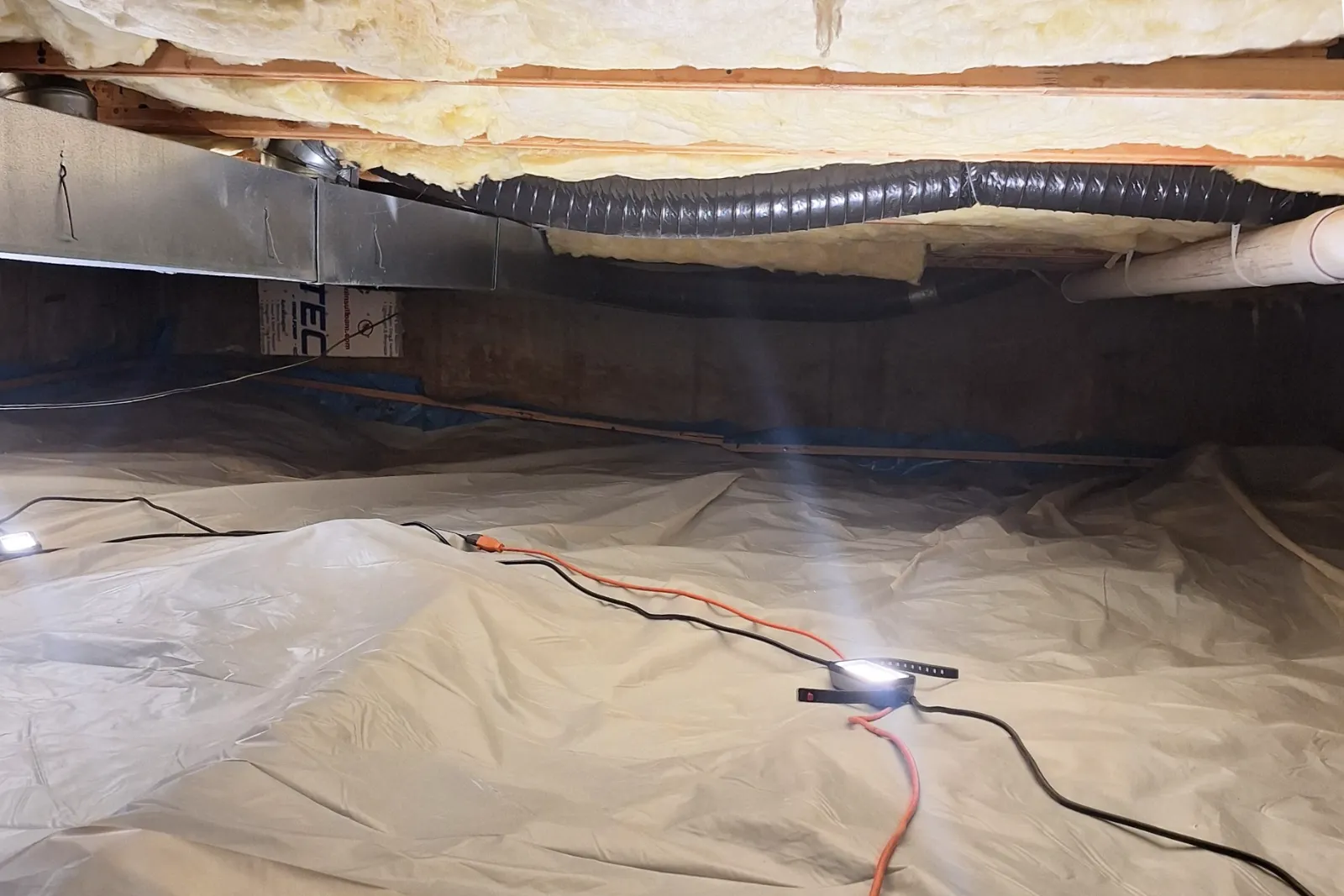
Basement Mold Removal
Sandy, UT
After basement flooding, damaged materials were removed and the area was dried, treated, and restored to a clean condition.
Ready To See Results Like These?
We have hundreds more before/after photos. Call us today and we'll show you exactly what we can do for your home.
Our Services
Comprehensive Air Quality Solutions
From emergency mold removal to preventative HVAC maintenance, we provide complete indoor air quality services for Utah homes and businesses.
Most Requested Service
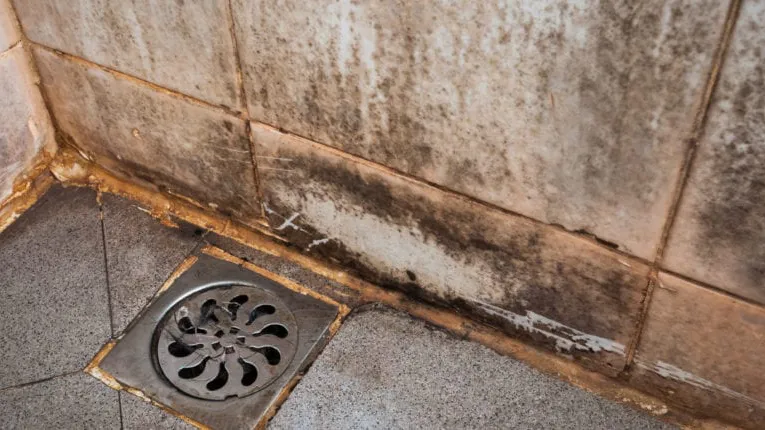
Mold Inspection & Remediation
Complete mold detection, testing, and safe removal. We identify the source, contain the affected area, remove all mold, and prevent future growth.
- Free Initial Inspection
- Lab-tested mold identification
- Complete containment & removal
- Air quality testing
- Prevention strategies
Air Duct Cleaning
Air duct cleaning removes dust, allergens, and contaminants that build up inside your HVAC ductwork, helping restore cleaner air throughout your home.
- Improves indoor air quality
- Removes dust and allergens from ductwork
- Helps reduce mold spores and contaminants
- Cleans hard-to-reach HVAC areas

Whole-Home Air Purification
Whole-home air purification systems work with your HVAC system to clean the air as it circulates through your home, helping reduce dust, allergens, mold spores, bacteria, and odors.
- Improves indoor air quality
- Helps reduce allergens and irritants
- Reduces mold spores and bacteria
- Helps eliminate odors
Testimonials
What Our Customers Say
Don't just take our word for it. See why thousands of Utah homeowners trust Green Home for their mold remediation needs.

Local Expertise
Mold Removal & Remediation in Utah
The Utah Picture
Green Home Air Quality & Mold Remediation is based in Salt Lake City and has more than 30 years of experience finding and removing mold in Utah homes. We serve the Wasatch Front, Utah County and St. George, and every job starts with a free inspection. If there's nothing there, we'll tell you.
How mold remediation works
Mold remediation is not just scrubbing a stain. It follows a set order, and skipping a step is usually why mold comes back.
- Assessment. We find the moisture source and map how far the growth goes, including behind walls and under flooring.
- Containment. The work area is sealed off from the rest of the house. EPA guidance calls for plastic sheeting around areas of roughly 10 to 100 square feet, and double layers with an airlock above 100 square feet. A fan vented outdoors keeps the space under negative pressure, so the sheeting pulls inward and spores stay put.
- Removal. Moldy porous materials like drywall, carpet and ceiling tile are cut out and bagged. EPA notes mold can grow into these materials, so they usually can't be saved.
- Cleaning. Hard surfaces such as framing and concrete are scrubbed with detergent and water, then cleaned again.
- Drying. Everything has to dry fully before walls close back up. Painting or caulking over mold is not a fix.
- Verification. The leak or moisture problem is fixed, no visible mold or musty odor remains, and the space can be used without complaints.
Why Utah homes get mold
Utah is a dry state, but mold doesn't need a humid climate. It needs water that stays put. Across the state, that water shows up in different ways.
Along the Wasatch Front and in Utah County, spring snowmelt is the big one. In 2023 a record snowpack led Salt Lake County to declare a flooding emergency, and the Utah Geological Survey warned that saturated ground can push groundwater up into basements. Winter adds a quieter problem. During the November 1 to March 1 inversion season, people keep windows shut, and moisture from cooking, showers and humidifiers stays inside. It condenses on cold window frames and on exterior walls in closets and basements.
In the dry southwest, the air itself is rarely the issue. Muggy days near St. George are close to zero all year. Here we see more trouble from evaporative coolers, which work by adding water to the air. The U.S. Department of Energy notes that if windows aren't open far enough while a cooler runs, humidity builds up inside. A leaking cooler pan or a cooler duct that stays damp can also feed growth.
When you can handle it yourself
Not every spot needs a professional. The EPA says that if the moldy area is less than about 10 square feet, roughly a 3-by-3-foot patch, most homeowners can clean it themselves. Fix the water first, scrub hard surfaces with detergent and water, throw out moldy porous items, and wear gloves, goggles and an N-95 respirator.
Call for help when the area is larger, when the mold followed sewage or flood water, when it's inside the HVAC system, or when someone in the home has health concerns. EPA advises not running a heating or cooling system you suspect is contaminated, since it can spread spores through the house.
What to expect from us
The inspection is free. We show you what we find, explain the scope in plain terms, and give you a written estimate before any work starts. Most mold removal jobs fall between $500 and $5,000+, depending on size and access. If you have water coming in right now, our 24/7 emergency line is (801) 352-0769. EPA advises drying wet materials within 24 to 48 hours to keep mold from starting, so it's worth calling early.
FAQs
Frequently Asked Questions
How much does mold remediation cost in Utah?
Most mold removal jobs we see fall between $500 and $5,000+. A small, easy-to-reach patch in a bathroom or under a sink sits at the low end. The price climbs with the square footage affected, how much drywall or flooring has to come out, whether full containment is needed, and how hard the area is to reach, such as a crawlspace or attic. The free inspection gives you a written number before any work starts.
How long does a mold remediation job take?
It depends on the size of the area and how wet things are. A small, contained job is often finished in a day or two. Larger jobs take longer because materials have to be removed, surfaces cleaned, and everything dried fully before rebuilding. Drying can't be rushed, since closing up damp framing invites the mold back. We'll give you a realistic timeline after the inspection, and tell you if a plumber or roofer needs to go first.
Does Utah homeowners insurance cover mold removal?
Usually only when the mold came from a sudden, accidental event your policy covers, such as a burst pipe or a failed water heater. Mold from slow leaks, ongoing humidity or poor maintenance is commonly excluded, and many policies cap mold payouts. The Utah Insurance Department notes standard policies don't cover flooding, which needs separate flood insurance. Read your policy, take photos early, and report the loss promptly. Your agent can tell you what applies.
Can my family stay home during mold remediation?
Often, yes. Containment and negative air pressure are there to keep spores inside the work area, so the rest of the house stays usable for most jobs. Plan to stay out of the sealed area itself. For large jobs, or if someone in the home has asthma, a weakened immune system or is very young or elderly, staying elsewhere for part of the work can make sense. We'll talk it through during the inspection.
Is bleach enough to get rid of mold?
Not usually. The EPA recommends scrubbing mold off hard surfaces with detergent and water and drying them completely. Bleach doesn't soak into porous materials like drywall or carpet, where mold grows into the material, and those items generally need to be removed. Mixing bleach with ammonia or other cleaners also creates toxic fumes. The bigger point is that cleaning won't last unless the water problem behind the mold is fixed.
Why does mold keep coming back after we clean it?
Almost always because the moisture is still there. A slow drip in a wall, groundwater seeping through a foundation, a damp evaporative cooler duct, or winter condensation on a cold wall will keep feeding growth no matter how often the surface is wiped. Painting over it doesn't help either. Lasting remediation means finding and fixing the water source, removing what can't be cleaned, and drying the area before it's closed up.
Should I worry about mold after spring runoff in Utah?
If water got into your basement or crawlspace, yes, and quickly. The EPA advises drying wet materials within 24 to 48 hours to keep mold from growing. In heavy snowmelt years, the Utah Geological Survey has warned that rising groundwater can enter homes through foundation cracks, sometimes without any visible stream nearby. Pull up wet carpet and pads, run fans and dehumidifiers, and check behind finished basement walls if the water reached them.
How do I keep mold out of my home in a dry climate?
Control the moisture you create. The EPA suggests keeping indoor humidity between 30 and 50 percent, and a basic hygrometer can tell you where you stand. Run bath and kitchen fans, don't oversize humidifiers in winter, and keep gutters and grading sending water away from the foundation. If you use an evaporative cooler, open windows enough while it runs, keep the pan and pads clean, and drain and close it off at season's end.
Get In Touch
Ready to Breathe Easier?
Schedule your free mold inspection today. Our team is standing by to help protect your home and family.
24/7 Emergency Line
Email Us
Service Area
Salt Lake City & Surrounding Areas
Business Hours
Mon-Sat 8am-7pm | 24/7 Emergency
Free Inspection Request
Fill out the form and our team will reach out to you promptly.
Service Areas
Mold Removal Near You
- Mold Removal & Remediation in Lehi
- Mold Removal & Remediation in Provo
- Mold Removal & Remediation in Salt Lake City
- Mold Removal & Remediation in Sandy
- Mold Removal & Remediation in South Jordan
- Mold Removal & Remediation in St. George
- Mold Removal & Remediation in West Jordan
- Mold Removal & Remediation in West Valley City
- All service areas