
24/7 Emergency Mold Removal Services
Top Mold Removal & Remediation Company in Cottonwood Heights
Protect your family's health and your home's value. Our certified technicians eliminate mold at the source with proven, safe removal techniques.
Physician Referred
Doctors Refer Their Patients to Us
When physicians can't explain chronic symptoms, they send patients to Green Home Air. Hidden mold is a silent health crisis — and we've helped thousands of Cottonwood Heights families get their lives back.
Cognitive issues
Brain fog, memory loss, difficulty concentrating
Respiratory Problems
Coughing, wheezing, congestion, sinus pressure
Fatigue & Weakness
Low energy, poor sleep, feeling drained
Allergic Reactions
Sneezing, itchy eyes, headaches, skin irritation+
Mold exposure can affect health, especially for individuals with allergies, asthma, or weakened immune systems. According to public health guidance, mold can cause symptoms such as nasal congestion, coughing, wheezing, throat irritation, and eye or skin irritation. Prolonged exposure may worsen respiratory conditions and trigger asthma attacks, making prompt identification and removal important for maintaining a healthy indoor environment.
- Centers for Disease Control and Prevention (CDC)
Think Mold is Affecting Your Health?
Call us today. We'll inspect your home and give you answers — fast.
Free Inspection For Cottonwood Heights & Surrounding Areas
Why Act Now
Mold Is More Than an Eyesore
Hidden mold can release toxic spores into your air, affecting your family's health and damaging your property's value. Don't let a small problem become a major crisis.
- Health Issues
- Property Damage
- Family Safety
Real Results
See The Difference We Make
Every job tells a story. Behind each of these photos is a family that got their health and home back. Drag the slider to compare before and after.
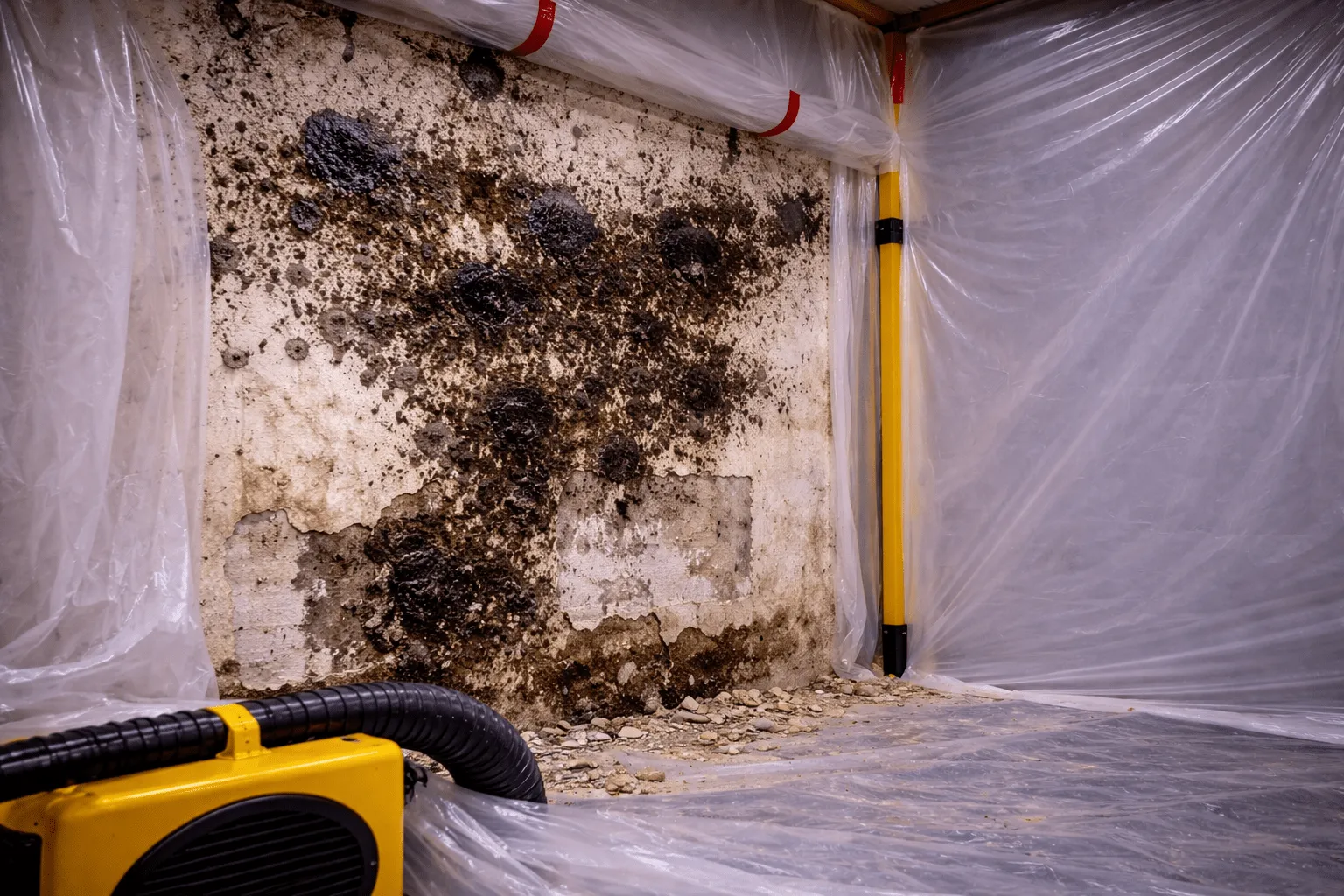
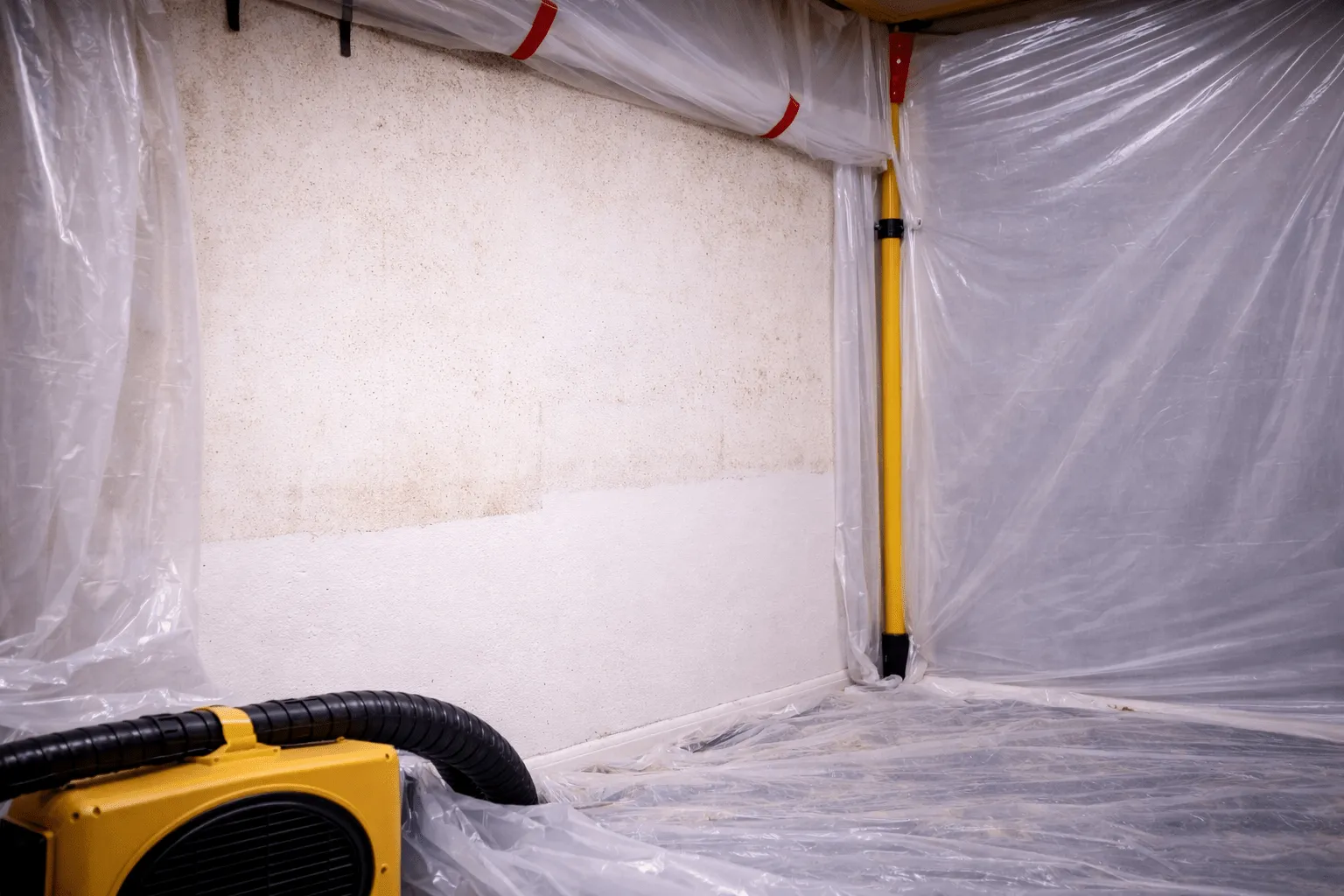
Wall Mold Remediation
Severe black mold infestation from a slow roof leak. Homeowner had chronic sinus infections for 2 years before calling us.
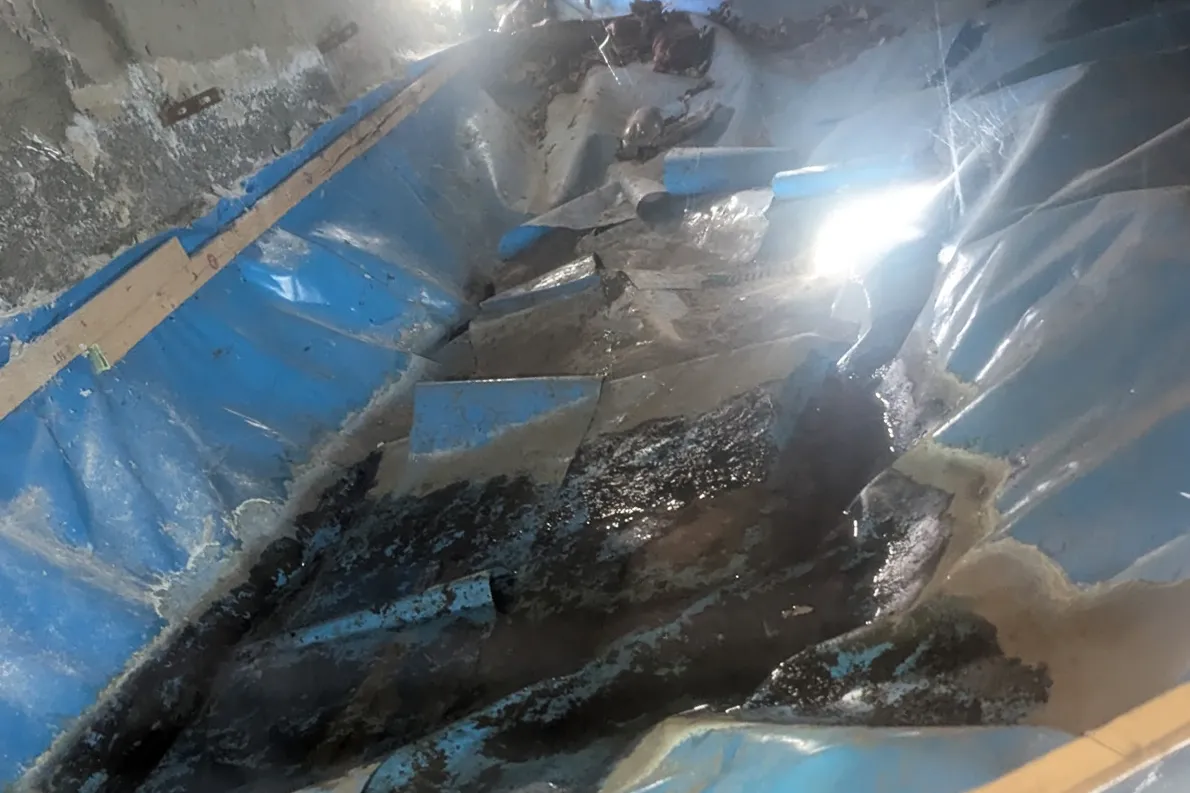
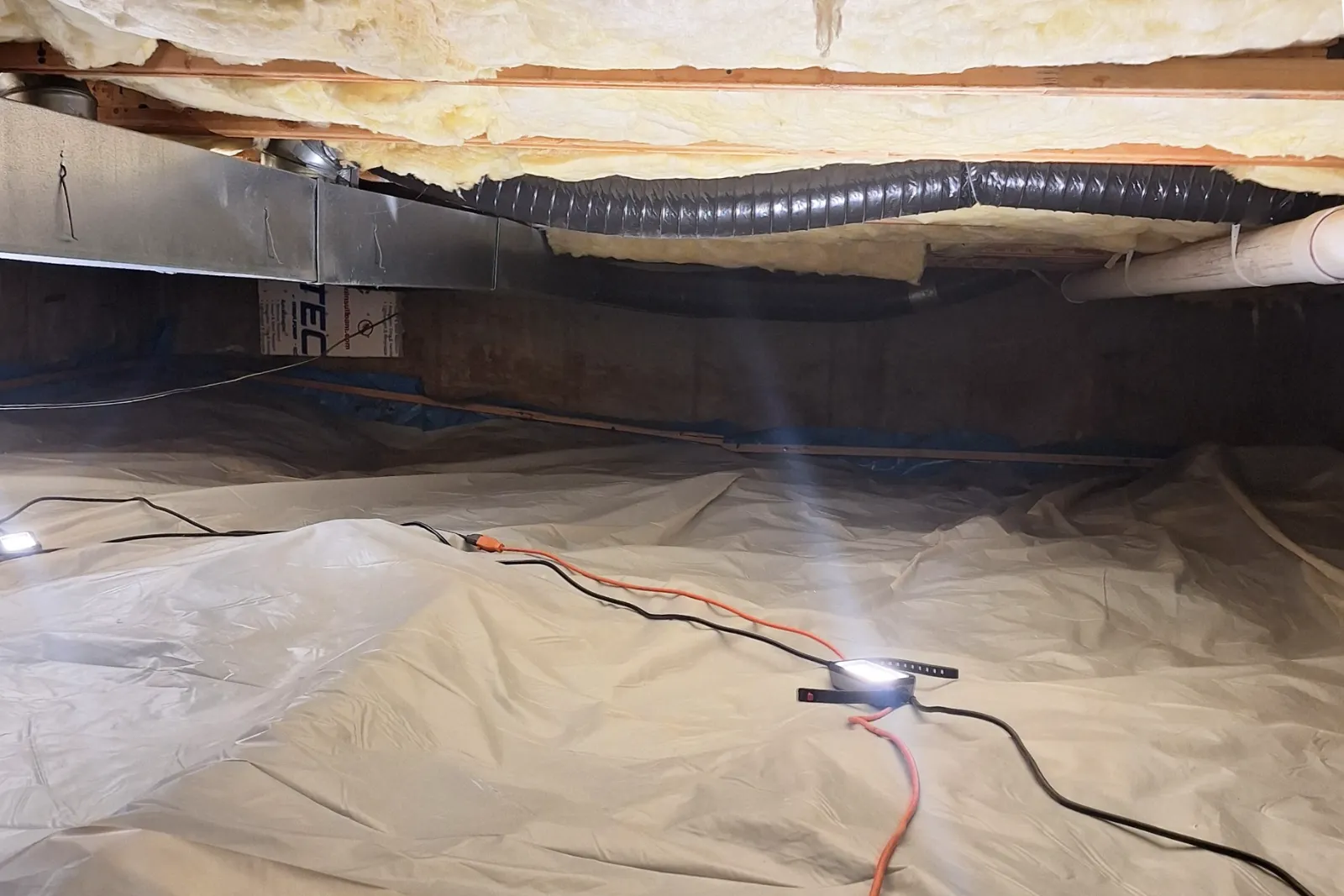
Basement Mold Removal
Extensive mold growth across entire basement after flooding. Family experienced fatigue and respiratory issues. Fully remediated in 3 days.
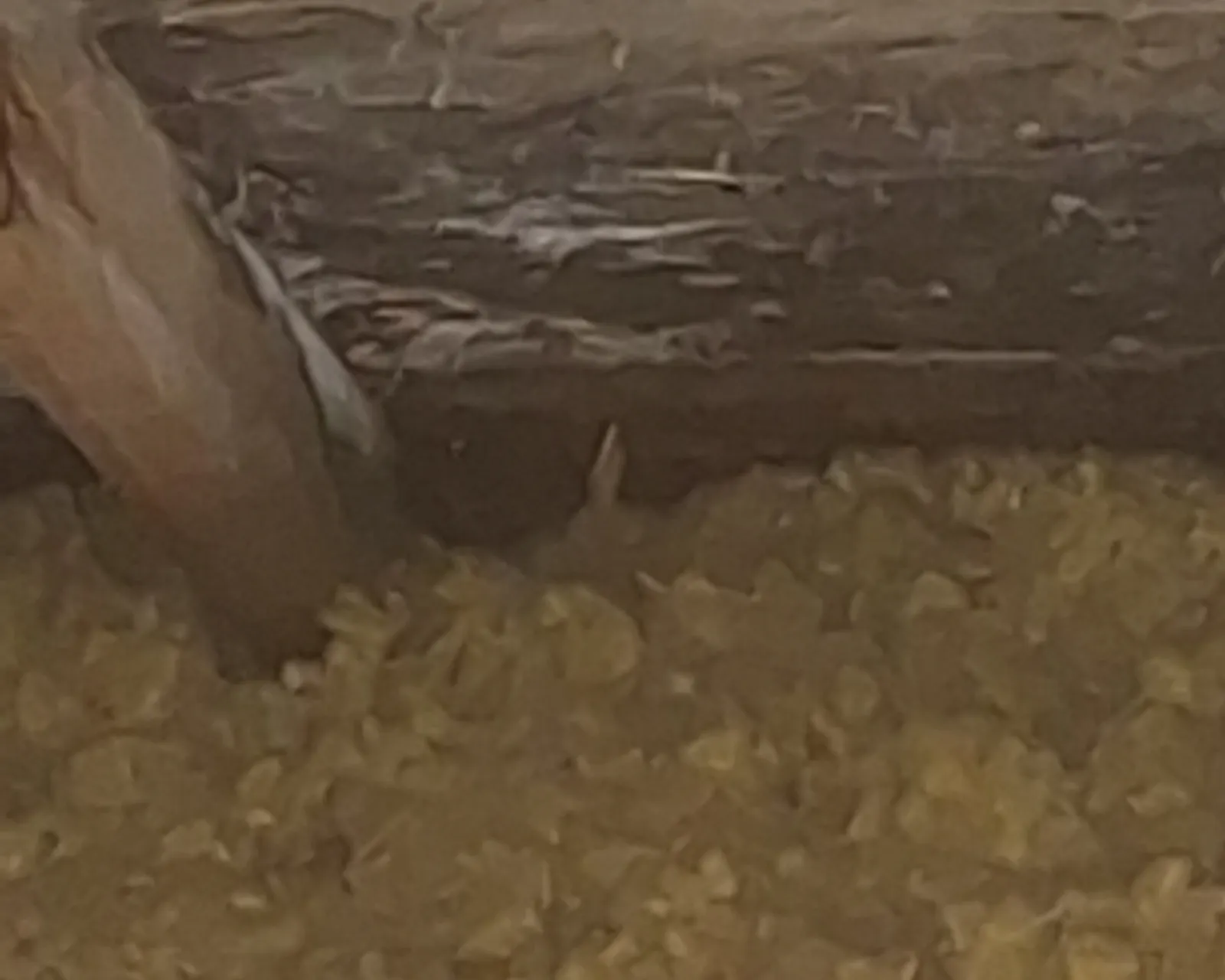
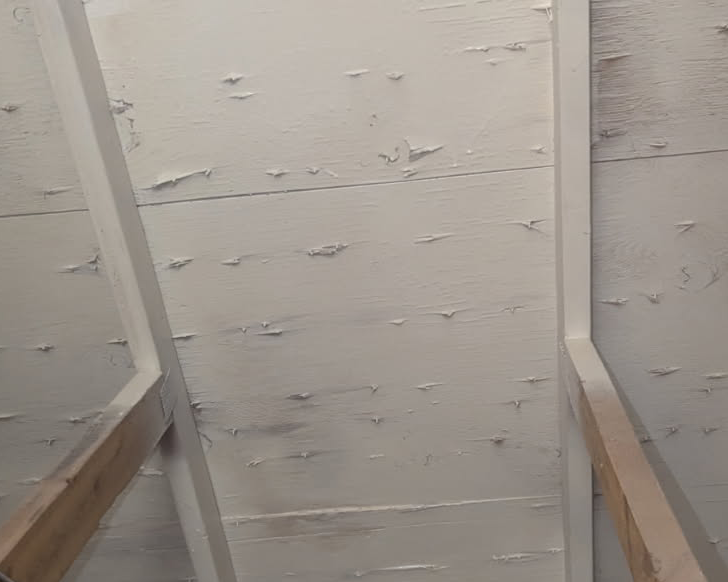
Attic Mold Remediation
Widespread attic mold from poor ventilation and a roof leak. Trapped humidity had spread across the rafters and sheathing before we contained and removed it.
Ready To See Results Like These?
We have hundreds more before/after photos. Call us today and we'll show you exactly what we can do for your home.
Our Services
Comprehensive Air Quality Solutions
From emergency mold removal to preventative HVAC maintenance, we provide complete indoor air quality services for Utah homes and businesses.
Most Requested Service
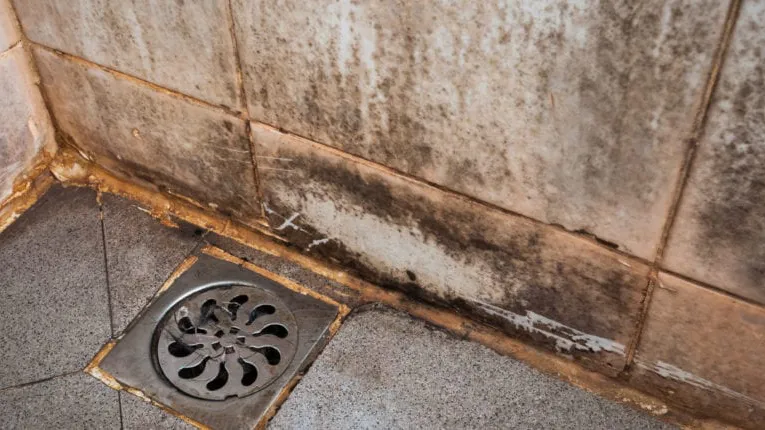
Mold Inspection & Remediation
Complete mold detection, testing, and safe removal. We identify the source, contain the affected area, remove all mold, and prevent future growth.
- Free Initial Inspection
- Lab-tested mold identification
- Complete containment & removal
- Air quality testing
- Prevention strategies
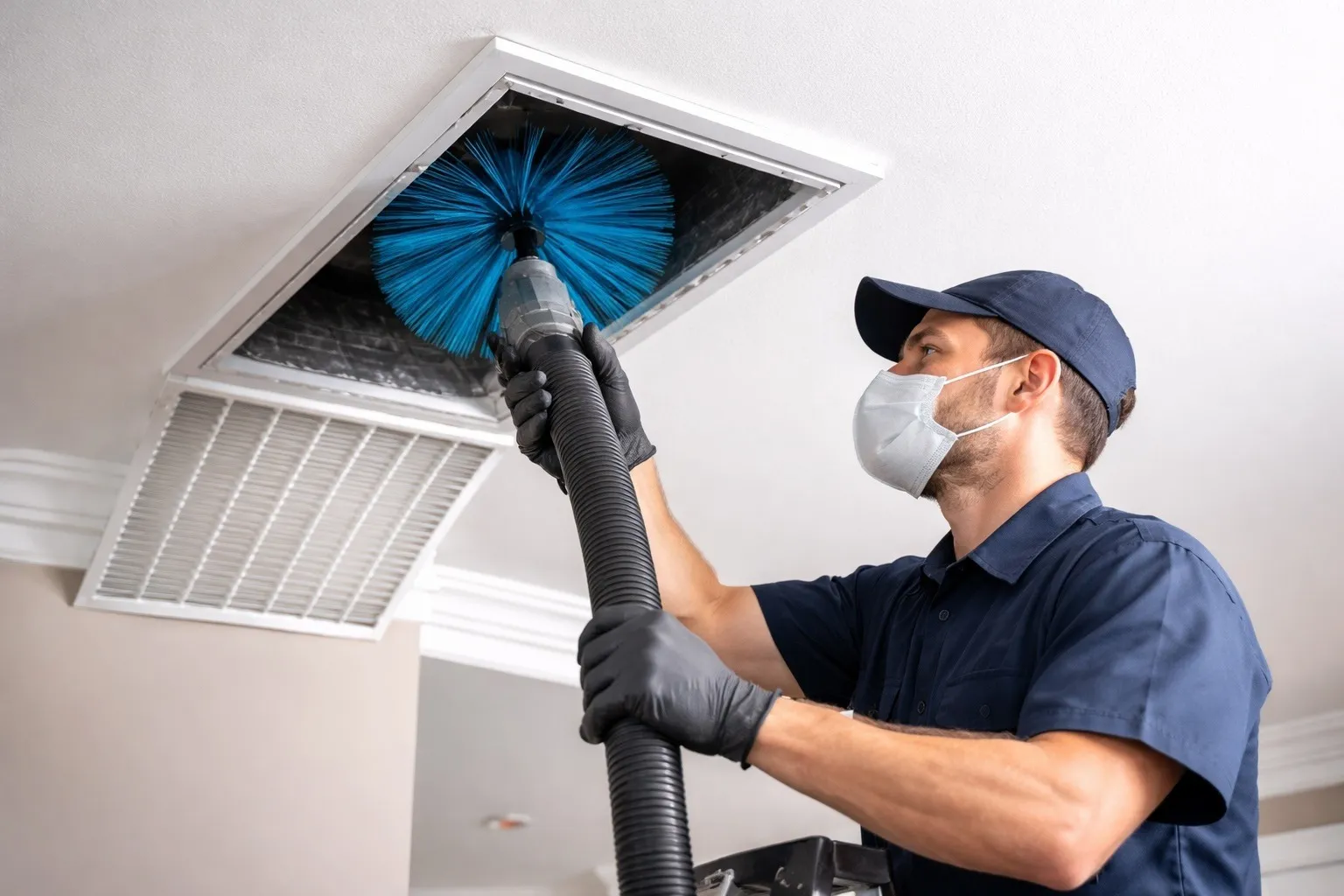
Air Duct Cleaning
Air duct cleaning removes dust, allergens, and contaminants that build up inside your HVAC ductwork, helping restore cleaner air throughout your home.
- Improves indoor air quality
- Removes dust and allergens from ductwork
- Helps reduce mold spores and contaminants
- Cleans hard-to-reach HVAC areas

Whole-Home Air Purification
Whole-home air purification systems work with your HVAC system to clean the air as it circulates through your home, helping reduce dust, allergens, mold spores, bacteria, and odors.
- Improves indoor air quality
- Helps reduce allergens and irritants
- Reduces mold spores and bacteria
- Helps eliminate odors
Testimonials
What Our Customers Say
Don't just take our word for it. See why thousands of Utah homeowners trust Green Home for their mold remediation needs.

Between the Canyons, Below Grade
Cottonwood Heights Mold Removal That Gives the Basement Back
Most mold we remove in Cottonwood Heights is in a finished basement from the 1970s or 1980s. We take out what is damaged, fix what caused it and leave you with a lower level your family can use again.
A family room, not a storage room
When a basement smells musty, people stop using it. Kids move their games upstairs and the guest room turns into a place for boxes. Once the damaged drywall and carpet are out and the space is dry, the lower level of a bench split-level works like living space again.
Fewer surprises at the next runoff
We trace the growth back to its water source before we leave. If snowmelt is running toward a window well or a downspout drains against the foundation, you will know about it, so the next wet spring in Cottonwood Heights does not start the same problem over.
An easier story when you sell
A finished basement with the mold removed, the cause fixed and dry walls is far easier to explain on a seller disclosure than a stain someone painted over. We walk you through what came out and why, so you can describe the work plainly to a buyer.
- CheaperThe visual inspection costs nothing, and you get a written price before any wall is opened. Because we fix the moisture source along with the mold, you are not paying to clean the same basement twice.
- Less waitingWater coming in after a storm or a burst line goes to our 24/7 emergency line. For planned work, the office books Monday to Saturday until 7pm, so the job does not cost you a workday.
- Done rightOur technicians are insured, vetted and quality checked, backed by 30+ years of company experience. We remove material back to clean, dry wood instead of patching over the part we can see.
Call 801-352-0769Book a free basement inspection, or call our 24/7 line if water is in now.
Built for Here
Mold Removal & Remediation in Cottonwood Heights
Why Cottonwood Heights Is Different
Cottonwood Heights sits on the east bench between the mouths of Big and Little Cottonwood Canyons, and most of its homes went up during one long stretch of growth. Census estimates put the median year built at 1978, and roughly a third of the city's housing was built in the 1970s alone.
That age matters for mold removal. A basement finished thirty or forty years ago has lived through decades of spring runoff, snowmelt against the foundation and the occasional failed water heater. When mold shows up, it is usually behind the drywall or under the carpet pad, not just on the surface. We remove the damaged material, dry the wall cavity and find the moisture that started it.
Why mold removal here is usually a basement job
The city's first subdivisions, Greenfield Village, Cottonwood Ridge along Virginia Hills Drive and Steffensen Heights, went in between 1953 and 1955, according to the city's own history. Building picked up through the following decades, and census data now shows about seven in ten homes are detached single-family houses. Many are split-levels and ramblers with full or partial basements that owners finished long after the original build.
Finished basements hide moisture well. Carpet pad soaks up a slow seep, the bottom plate of a framed wall wicks it upward, and the paper face of the drywall feeds the growth. By the time a musty smell reaches the main floor, mold has often spread along a whole wall. Our removal starts by finding where the material is dry and clean, then cutting back to that line under containment.
Water on the bench: runoff, creeks and slopes
Homes on the bench deal with water that comes downhill. Big Cottonwood Creek, Little Cottonwood Creek and Deaf Smith Creek all run through the city, and Cottonwood Heights links to live creek sensors at Crestwood Park and at the mouth of Big Cottonwood Canyon. In April 2023, spring runoff backed up storm drains and pooled across Wasatch Boulevard near 8555 South before public works crews cleared it.
Most basement mold we see here does not start with a creek leaving its banks. It starts with smaller, steadier sources: snowmelt draining toward a window well, a downspout emptying beside the foundation, or a sloped yard that sends water at the house instead of away from it. Average yearly precipitation is close to 26 inches, and the wettest months run March through May.
What we remove, and what we leave
The EPA says a moldy patch under about 10 square feet can often be cleaned by the homeowner, and that larger areas or significant water damage call for a more careful approach. We follow that framing. If your problem is small and the cause is fixed, we will say so. When the job is bigger, we set up containment and work through the damaged area in order:
- Moldy drywall and insulation are cut out and bagged inside the containment.
- Carpet and pad that stayed wet are removed rather than dried in place.
- Studs, joists and subfloor are cleaned and dried when they are sound.
- The work area is cleaned and vacuumed before the containment comes down.
Keeping a Cottonwood Heights basement dry afterward
Mold comes back when the moisture does. Before we finish, we show you what caused the growth and what it takes to fix it, whether that means regrading a flower bed, extending a downspout or replacing a leaking supply line. The EPA recommends drying wet materials within 24 to 48 hours and keeping indoor humidity below 60 percent, ideally between 30 and 50.
If your home is near one of the creeks, the city's flood control page explains how to look up your FEMA flood zone. That is worth knowing before you put new drywall and carpet back into a lower level.
Small Patch or Professional Removal in a Cottonwood Heights Basement
A fair look at when cleaning it yourself makes sense, and when it does not.
| Clean it yourself | Professional removal | |
|---|---|---|
| Size of growth | Under about 10 square feet, per EPA | Larger areas or growth that keeps returning |
| Material | Hard surfaces like concrete or tile | Drywall, carpet pad, insulation and framing |
| Water source | Known and already fixed | Unknown, hidden or still active |
| Containment | Rarely needed for a small spot | Sealed work area to limit spread |
| Finished walls | Surface cleaned, cavity left unchecked | Opened back to clean, dry material |
| Cost to you | Supplies and a weekend | Written price after a free inspection |
A Mold Calendar for Homes Between the Canyons
December to February
Inversions keep windows shut, and humidity from cooking and showers stays inside. Condensation forms on cold basement walls and window frames, often on the shaded side of a split-level. A practical time to schedule indoor removal.
March to May
The wettest months here, with canyon snowmelt on top. Watch window wells, downspouts and the low corner of the basement. In April 2023, runoff backed up storm drains on Wasatch Boulevard, a reminder of how fast water moves downhill.
June to August
July is the driest month, so opened walls dry faster once damaged material is out. Air conditioner drain pans can still overflow into closets. Summer is a good stretch for rebuilding a finished lower level.
September to November
Before the first snow, clear gutters, extend downspouts and check the grading along the foundation. Exterior water fixes are far easier now than after the ground freezes along the bench.
FAQs
Frequently Asked Questions
What affects the cost of mold removal in a Cottonwood Heights home?
Our typical range is $500 to $5,000+, depending on how much material has to come out. In Cottonwood Heights the main variable is the finished basement. A small patch on bare concrete sits at the low end. Growth that has spread behind drywall, carpet pad and framing along a whole wall sits higher. You get a written price after the free inspection, before any work starts.
Is spring a bad time to schedule mold removal in Cottonwood Heights?
Spring is busy, because March through May are the wettest months here and snowmelt comes off the canyons at the same time. The removal itself happens indoors, so it can go ahead in any season. If an exterior fix such as regrading is part of the answer, we may suggest doing the inside work now and the outside work once the ground dries.
Will homeowners insurance pay for mold removal after a basement leak in Utah?
It depends on your policy and the cause. The Utah Insurance Department notes that standard homeowners policies do not cover flooding, which needs a separate flood policy. Sudden internal water, like a burst pipe or broken water heater, may fall under a standard policy, while mold from a slow leak often does not. For a Cottonwood Heights basement, photograph everything and call your agent before material is removed.
My Cottonwood Heights home is near Big Cottonwood Creek. Should I check my flood zone?
Yes, it is worth checking. Cottonwood Heights participates in the National Flood Insurance Program, and the FEMA maps that took effect in 2009, with revisions in 2012, include zones along Big and Little Cottonwood Creeks. Zones starting with the letter A mark the 1 percent annual chance floodplain. The city's flood control page explains how to look up your map number and zone.
Why do so many 1970s homes in Cottonwood Heights end up with basement mold?
Age and finishing. Census estimates put the city's median year built at 1978, and many of those basements were finished later, with carpet laid on concrete and framed walls set against the foundation. Over decades, small seeps and condensation collect where nobody looks. The mold is often on the back of the drywall, so the visible spot understates the job.
Can I clean a small spot of mold in my Cottonwood Heights bathroom myself?
Often, yes. The EPA says most homeowners can handle an area under about 10 square feet, roughly 3 feet by 3 feet, once the moisture is fixed. Scrub the growth off rather than just bleaching it, since dead mold can still bother people with allergies. If the spot keeps returning or the drywall feels soft, we can look at it during a free visual inspection.
Will the Salt Lake County Health Department inspect mold in my Cottonwood Heights rental?
Usually not. The Salt Lake County Health Department says it generally does not respond to mold complaints, with one exception: mold caused by an active water leak that the occupant did not cause. You can report active leaks and floods through the county's online housing form. For the removal itself, either a renter or a landlord can call us to arrange an inspection.
Do you remove mold in Cottonwood Heights townhomes and condos as well as houses?
Yes. Roughly three in ten Cottonwood Heights homes are something other than a detached house, from attached townhomes to larger apartment buildings. In shared buildings the source may sit in a neighbor's unit or behind a common wall, so we trace where the water is coming from and tell you who likely needs to be involved before the removal is planned.
Get In Touch
Ready to Breathe Easier?
Schedule your free mold inspection today. Our team is standing by to help protect your home and family.
24/7 Emergency Line
Email Us
Service Area
Cottonwood Heights & Surrounding Areas
Business Hours
Mon-Sat 8am-7pm | 24/7 Emergency
Free Inspection Request
Fill out the form and our team will reach out to you promptly.
Service Areas
More From Green Home Air
Other services in Cottonwood Heights
Mold Removal & Remediation in other cities
- Mold Removal & Remediation in Holladay
- Mold Removal & Remediation in Lehi
- Mold Removal & Remediation in Millcreek
- Mold Removal & Remediation in Murray
- Mold Removal & Remediation in Provo
- Mold Removal & Remediation in Salt Lake City
- Mold Removal & Remediation in Sandy
- Mold Removal & Remediation in South Jordan
- Mold Removal & Remediation in St. George
- Mold Removal & Remediation in West Jordan
- Mold Removal & Remediation in West Valley City
- Mold Removal & Remediation across Utah