
Get a free estimate
Free visual inspection. Optional lab testing costs extra.
We use your details to respond to your service request. Privacy Policy
More detail for your visit
How St. George Inspection Visits Work
We accept selected St. George jobs after confirming availability. Call us to discuss your property and arrange the visit.
Start with what you noticed
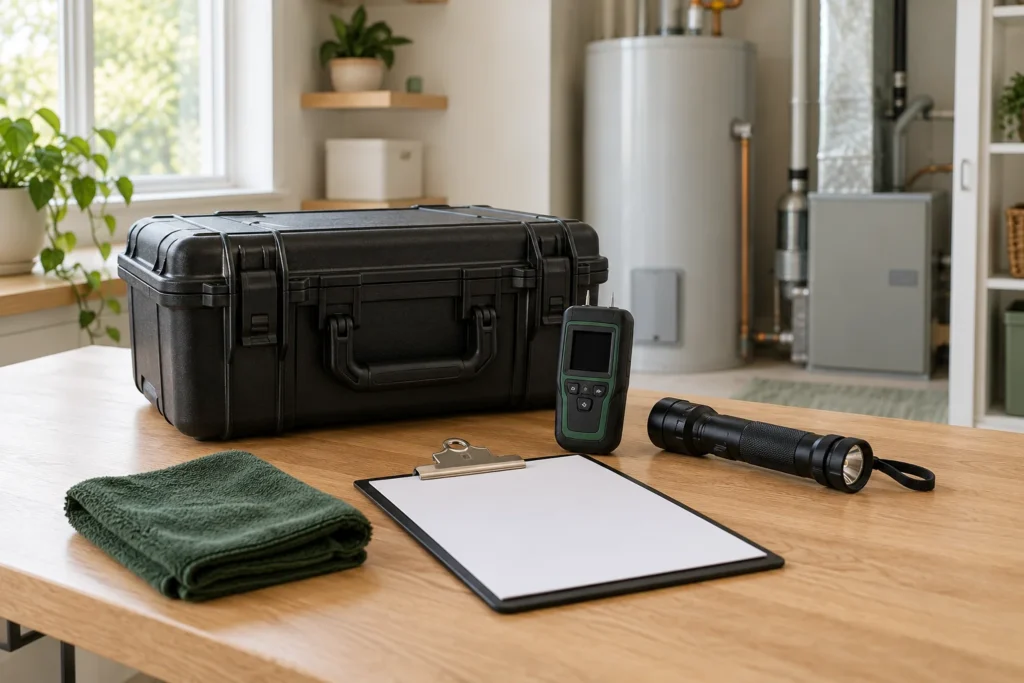
On the phone, we ask what you've seen or smelled, when it started and whether a storm, a leak or a long vacancy came first. That tells us where to look and what equipment to bring.
Map moisture room by room
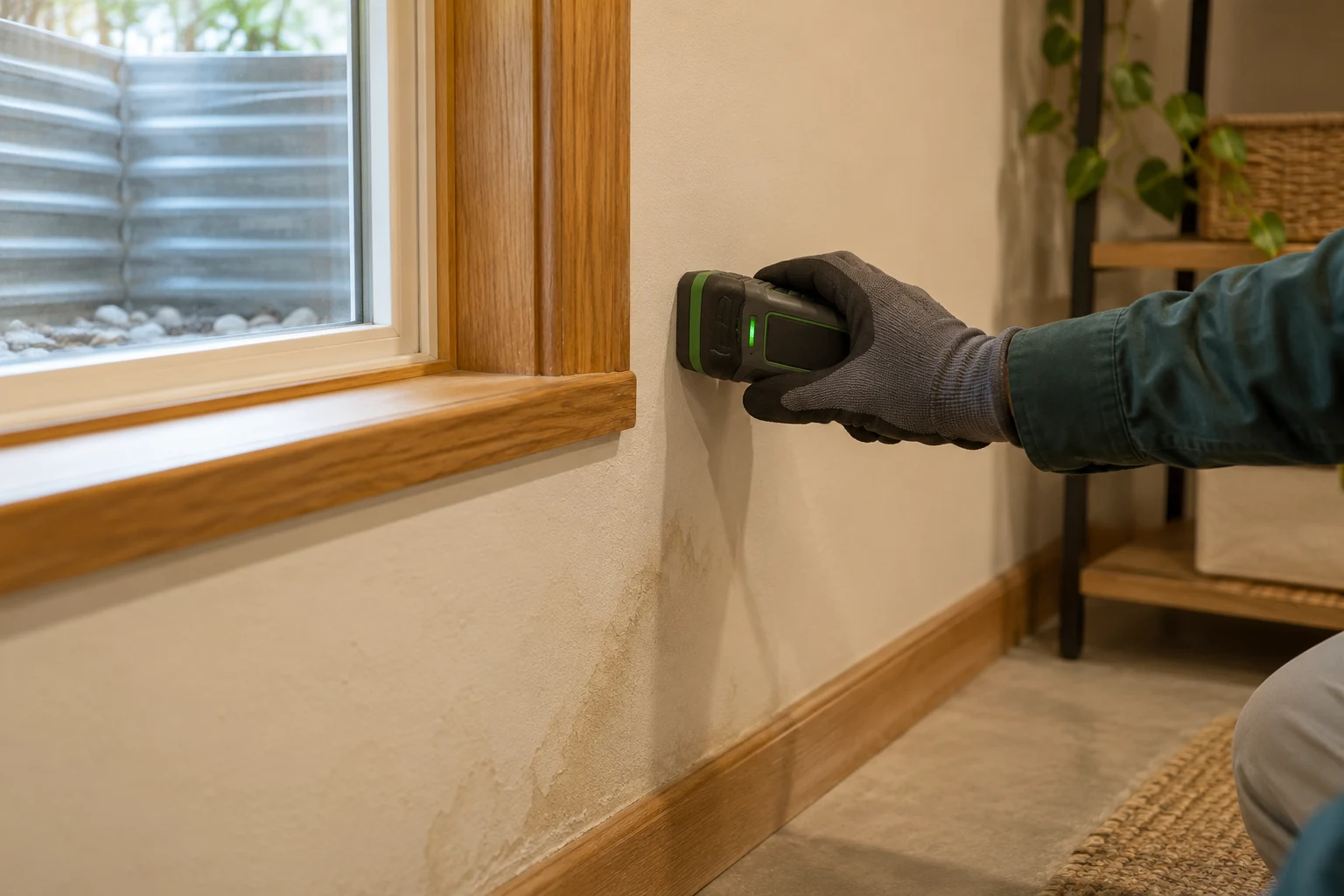
For the St. George concern, we record accessible readings near the reported plumbing, ceiling or cooling-system symptom. A thermal image adds temperature information, not a view through stucco or drywall and not a mold identification.
Sample only where it helps
If a sample would answer a specific unresolved question, we explain the purpose and price before collection. Some questions require further access or a repair investigation rather than laboratory work.
Put it all in writing
Your report lists the areas we checked, the readings, photos, any lab results and the likely water source. It ends with our recommendation, which may simply be that the home is dry.
Start with the evidence
Check Before Reopening a Seasonal Home
A seasonal property and an occupied home do not leave the same inspection evidence. Tell us how your St.George home has been used, what cooling system it has and where you notice moisture or an odor.
Returning after an absence
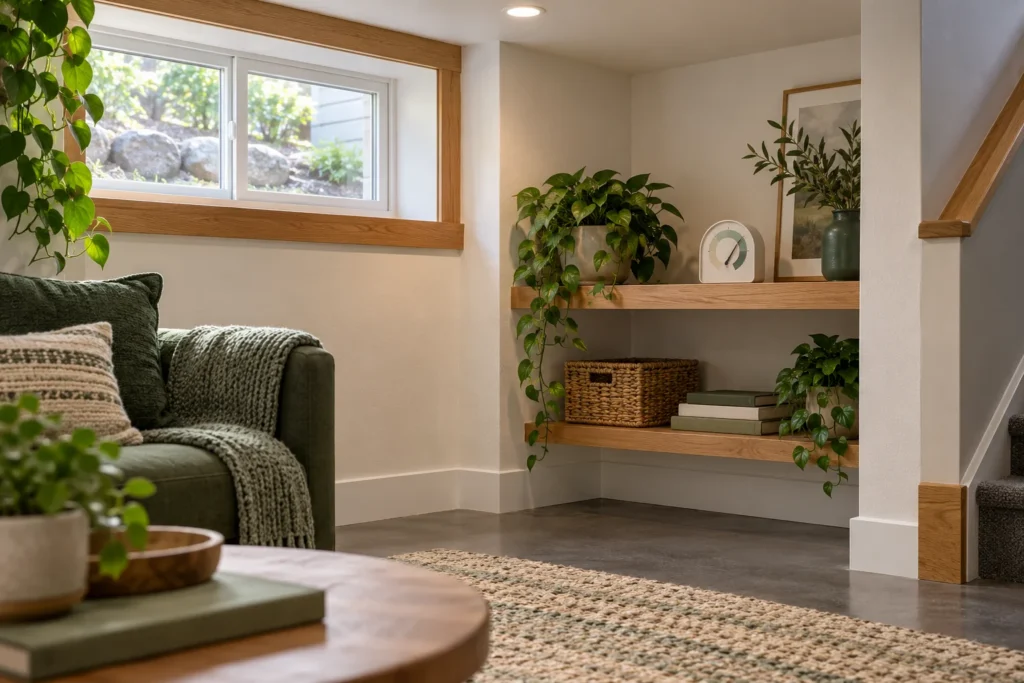
Record the rooms that smell different before airing or cleaning changes the conditions. An absence can hide a slow leak, but it does not by itself establish a mold problem.
Identify the cooler
Where a direct evaporative cooler is fitted, investigate its water supply, pan and nearby finishes as part of the moisture history. Do not confuse that equipment with a recirculating central system.
After stormwater entry
St.George accepts address-specific drainage-concern reports. Keep exterior drainage evidence separate from the indoor inspection findings and follow safety guidance around active flooding.
Why the service matters
Get Answers About Your Mold Concern
An inspection is useful when it helps you choose the next step. Understand the moisture clues, whether a sample would add value and what the written findings do—and do not—show.
Understand the Moisture and Mold Findings
A focused look at accessible areas, water history and useful readings can help explain what needs further attention. A seasonal home may have a gap in its water history. Share the last occupancy date, cooling setup and any property-manager records; confirm availability first.
Avoid Paying for Tests You Don’t Need
The visual inspection is free. Lab sampling has a separate price and should answer a question that matters to your next decision. Ask how seasonal occupancy, cooling and manager access affect the recommendation for this property.
Get Written Findings You Can Use
Review observations, readings, limits and any lab results together when planning repairs or discussing a property purchase. Keep the explanation with the records for this home so the next decision does not depend on memory.
Why choose Green Home Air
Get Mold Answers From Certified Technicians
Confirm availability and name the cooling setup. We can discuss the next step even if you do not have complete records.
Have Certified Technicians Check Your Home
Our certified, insured and vetted technicians work as a uniformed team. You can ask who is coming and how the home will be protected. Mention seasonal occupancy, cooling and manager access when arranging access.
Avoid Tests That Won’t Help You
We explain why samples may help and what they cost before collection. A visit that does not show a need for sampling or removal can still give you a useful next step. Use the details about seasonal occupancy, cooling and manager access to ask why each part of the proposed work is needed.
Get Findings You Can Share and Use
Read the findings, limitations and any lab results together. You can share the record when choosing your next repair or property decision.
Testimonials
What Our Customers Say
Don't just take our word for it. See what Utah homeowners say about Green Home Air.

Before the visit
Prepare for Your St. George Inspection
You do not need complete records to ask for help. For this visit, note seasonal occupancy, cooling and manager access. Start with what you know, then discuss the visit, its limits and the proposed price.
More detail for your visit
Check Equipment Before Assuming Its Age
Ask which parts have been repaired and which remain difficult to reach. A slow supply-line leak and an intermittent drain problem can leave different evidence, even in otherwise similar homes.
Record any recurring symptom before replacing a finish. If a component needs a plumber, roofer or HVAC contractor, the inspection findings can help define that next conversation.
- Water-heater and supply connections where accessible.
- Window or roof-entry staining reported by the owner.
- Bathroom surfaces and ceilings below plumbing.
- Cooling-system drain pans or lines relevant to the concern.
Choose the right next step
Match Findings to the Next Step
What can be assessed
- Accessible finishes
- We inspect the stated rooms and record visible damage, odors and moisture evidence.
- Source history
- Cooling-system leaks, plumbing failures and storm entry call for different follow-up questions.
When a sample helps
- A defined uncertainty
- Lab testing is considered for a useful question, not automatically because the home was vacant.
- Limited conclusions
- Results do not certify the whole property medically safe or identify the cause of a person’s symptoms.
Local context and work detail
Find the Source Despite Dry Weather


A St. George inspection still starts with the specific route water may be taking. Plumbing, roof entry, a cooling-system leak and a property left unoccupied can call for different checks. Low outdoor humidity does not rule out a local wet material.
If an evaporative cooler is present, tell us about leaks and the actual system arrangement.
Before purchasing or reopening a home
Bring available information about prior leaks, water-heater or softener work, patched walls and periods the property was unoccupied. These details help define accessible areas to assess before a purchase decision.
For a seller reopening a seasonal home, an odor or stain deserves a building-specific check. Any samples are proposed for the information they can add, rather than because the house is in a desert climate.
Before we arrive
Get Clear Written Findings
Share the cooling setup
A photo or model description helps identify what equipment is present.
Keep a leak log
Include water-heater, plumbing and cooler repairs or storm-entry dates.
Arrange property access
Make sure a key holder can provide safe entry to the rooms and equipment involved.
Local context and work detail
Plan Access With Your Property Manager
Between tenants, open closets and accessible plumbing areas can make a condition check easier. Tell us whether the aim is to investigate a reported symptom or create a dated record of the agreed areas.
The report links readings, photographs and any laboratory results to locations. It documents that visit without deciding when a condition began or guaranteeing that no later leak can occur.
Plan southern Utah access and scheduling
Our office is in Salt Lake City, so contact us about St. George scheduling before arranging occupant access or purchase deadlines. We confirm the property and scope when you call.
A neighborhood name is not a moisture diagnosis. Whether the home is downtown, Bloomington, Little Valley or another part of St. George, its equipment, repairs and available access determine the work.
A scoped visit
Make Your Inspection Visit Count
Discuss occupancy first
Explain how long the home was unoccupied and any changes made before the visit.
Check the relevant materials
Measurements and observations guide the inspection rather than the desert climate alone.
Receive a written plan
The report identifies findings, access limits and what further work may be justified.
Questions before you book
Your Questions Answered
Mold Findings and Your Next Step
Is mold testing even necessary in a desert climate like St. George?
A desert climate does not rule out a plumbing leak, cooling-system water problem or storm entry. It also does not mean every home needs testing. An inspection starts with the actual concern and accessible moisture evidence; samples are proposed when they answer a defined question, rather than being used to locate every possible water source.
Preparing a Seasonal Property
What should I have inspected before reopening a seasonal St. George home?
Check the spaces with a known water history and report any new stain or musty odor. If the home has an evaporative cooler, mention leaks and its duct arrangement; if it has refrigerated air, the relevant components differ. Where the HVAC itself may be contaminated, avoid operating it until appropriately assessed. Confirm southern Utah scheduling before arranging access.
Prices and What Is Included
What affects the cost of a mold inspection in St. George?
The main factors are the size of the home, how many areas need a close look and whether lab samples are needed. A condo with one stained ceiling is a shorter visit than a large Entrada or Stone Cliff home with several wet areas and an attic.
Lab sampling adds cost, so we only recommend it when results would change what you do next. We explain the scope before we start.
Choosing a Time to Book
When is the best time to schedule a mold inspection in St. George?
For a purchase, schedule early enough to meet your contract deadline and allow any agreed lab work. For an existing home, arrange assessment when you notice a leak, odor or staining. Keep dates and photos of intermittent storm-related symptoms. Exact monsoon or rainfall dates do not determine whether your building has an issue.
Written Reports and Repair Records
Will a mold inspection report help with an insurance claim in Utah?
A written report can help you document conditions, but your insurer decides what is covered. Many Utah homeowners policies cover sudden water damage and exclude mold from long-term leaks or maintenance issues. Read your policy and talk to your agent about what they need.
We describe what we saw, where moisture readings were high and the likely water source, without making coverage claims.
Checks Before a Home Purchase
Should I get a mold inspection before buying a home in St. George?
It is worth considering, especially for an older home or one that sat empty for part of the year. A standard home inspection may note a stain without tracing the moisture behind it. We check the areas most likely to hide a leak and tell you plainly whether we found a problem.
If the home is dry, we will say so, and you can close with more confidence.
Planning the Visit and Work Scope
Can you inspect a St. George rental between tenants?
Yes. An empty unit is the easiest time to inspect, because we can reach under sinks, inside closets and around appliances without moving a household. We record what we checked and what we found, which gives the owner and manager a baseline.
If a later tenant reports a musty smell, you have a dated record of the unit's condition at move-in.
When Lab Samples Add Value
I can already see mold in my St. George bathroom. Do I still need testing?
Often you do not. If the growth is visible and the water source is clear, testing usually will not change the plan. An inspection is more useful when you smell mold but cannot find it, when stains keep coming back or when you need to know how far moisture spread inside a wall.
We will tell you if testing is not worth paying for.
Find the right next step
More Services for Your Home
Mold Removal & Remediation In St. George
See how assessment, affected materials, containment and drying shape the work.
Explore this service
Whole Home Air Purification In St. George
Compare filtration and coil UV-C, with equipment fit and maintenance explained.
Explore this service
Air Duct Cleaning In St. George
Compare whole-system cleaning, access needs and when a visit makes sense.
Explore this serviceExplore service information by city
 Salt Lake CityMold Inspection & Testing In Salt Lake City
 West Valley CityMold Inspection & Testing In West Valley City
 West JordanMold Inspection & Testing In West Jordan
 ProvoMold Inspection & Testing In Provo
 SandyMold Inspection & Testing In Sandy
 South JordanMold Inspection & Testing In South Jordan
 LehiMold Inspection & Testing In Lehi
 MurrayMold Inspection & Testing In Murray
 MillcreekMold Inspection & Testing In Millcreek
 HolladayMold Inspection & Testing In Holladay
 Cottonwood HeightsMold Inspection & Testing In Cottonwood Heights
Local photo credits
- bob · Photo source · CC BY-SA 4.0. Resized and cropped.
- Murray Foubister · Photo source · CC BY-SA 2.0. Resized and cropped.
- Stan Shebs · Photo source · CC BY-SA 3.0. Resized and cropped.
- JacquesDemien · Photo source · CC0. Resized and cropped.
- Supercarwaar · Photo source · CC BY-SA 4.0. Resized and cropped.
- formulanone · Photo source · CC BY-SA 2.0. Resized and cropped.
- Tricia Simpson · Photo source · CC BY-SA 3.0. Resized and cropped.
- Scott Catron from Sandy, Utah, USA · Photo source · CC BY-SA 2.0. Resized and cropped.
- Skykingcarter · Photo source · CC BY-SA 4.0. Resized and cropped.
- OrangeJedi · Photo source · CC BY-SA 4.0. Resized and cropped.
- Jere Keys · Photo source · CC BY 2.0. Resized and cropped.
- MD.millcreekut · Photo source · CC0. Resized and cropped.
- Derrellwilliams · Photo source · CC BY-SA 4.0. Resized and cropped.
- User:JerAnderson · Photo source · Public domain. Resized and cropped.


Get In Touch
Get a Free Estimate
Schedule your free mold inspection today. Our team is standing by to help protect your home and family.
24/7 Emergency Line
Email Us
Service Area
St. George & Surrounding Areas
Business Hours
Mon-Sat 8am-7pm | 24/7 Emergency
Fill out the form and our team will reach out to you promptly.