
Get a free estimate
Free visual inspection. Optional lab testing costs extra.
We use your details to respond to your service request. Privacy Policy
Start with the evidence
Check Moisture Before Remodeling an Inherited Home
Before remodeling an inherited home or making a repair decision, find out what is actually wet and what remains uncertain. A Holladay inspection combines accessible observations with a clear written record.
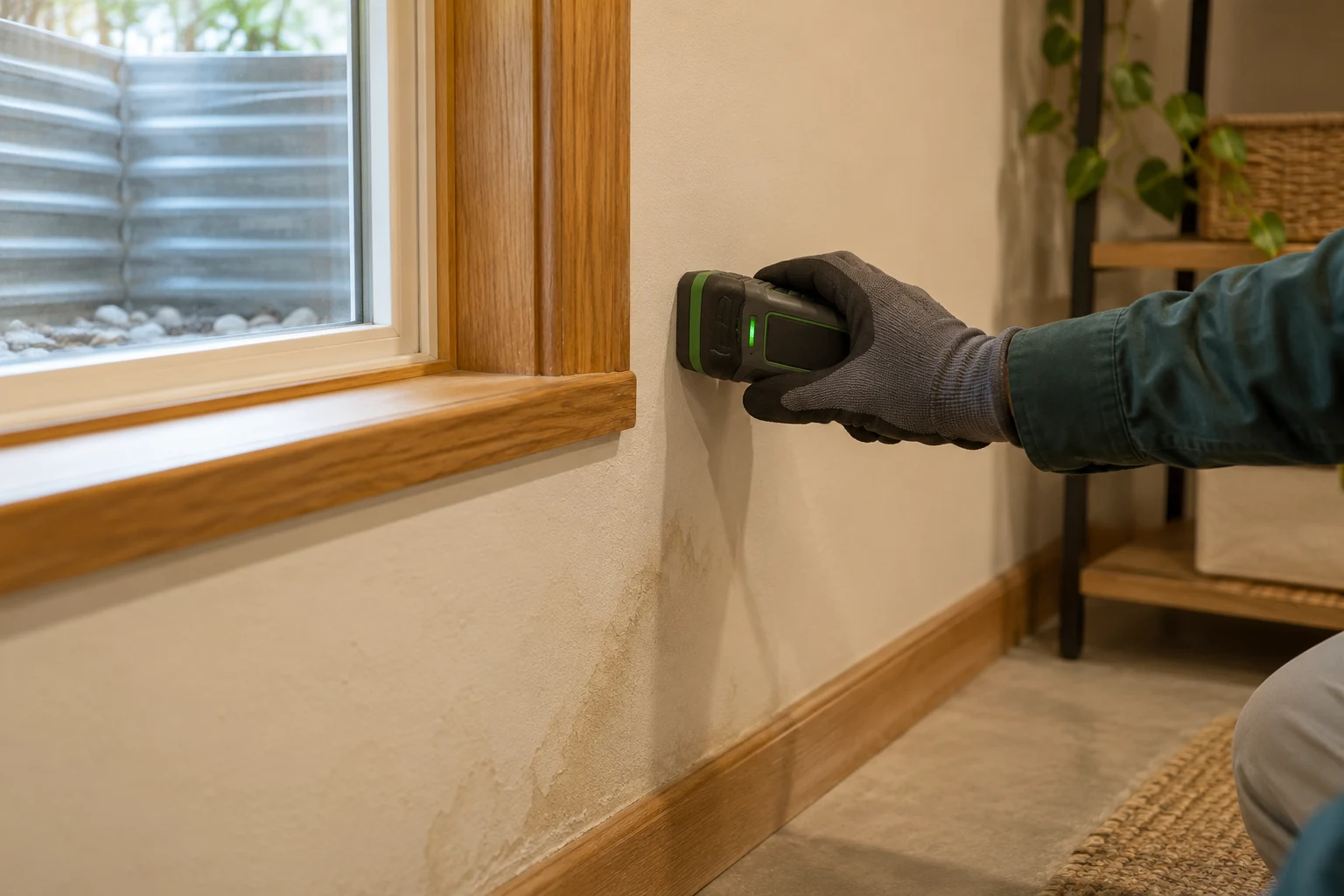
Inspect before replacing
If a room is being updated, identify old stains, plumbing repairs and the edges of later additions while they are still accessible. A fresh finish should not erase an unresolved source question.
Separate outside services
Holladay’s resident guide distinguishes city storm drains from sewer improvement districts. Use the right public contact for an external issue while we assess building conditions.
A sample is not the visit
Lab results can add useful information, but they do not replace locating moisture or documenting the material that was actually inspected.
More detail for your visit
Plan Your Holladay Inspection Next Step
Use the condition and the decision ahead of you, rather than a fixed service calendar.
Water follows rain, melt or watering
Record the actual entry point and any previous repair. Creek proximity alone does not establish moisture in a Holladay basement.
Condensation appears in a closed room
Identify the surface and household conditions when it occurs. A meter and thermal image provide different evidence and must be interpreted together.
Cooling operation reveals a stain
Describe the equipment and the room below or beside it. Plumbing, drainage and condensation may need different follow-up.
A handover or remodel is planned
Keep the area accessible and collect past repair records. The report can document the agreed spaces before a purchase, inheritance-related repair or new finish.
Why the service matters
Get Answers About Your Mold Concern
An inspection is useful when it helps you choose the next step. Understand the moisture clues, whether a sample would add value and what the written findings do—and do not—show.
Understand the Moisture and Mold Findings
A focused look at accessible areas, water history and useful readings can help explain what needs further attention. An inherited or long-owned home may have repairs you did not see happen. Bring the history you have; the visit can still be useful when records are incomplete.
Avoid Paying for Tests You Don’t Need
The visual inspection is free. Lab sampling has a separate price and should answer a question that matters to your next decision. Ask how older repairs, inherited-home records and remodel plans affect the recommendation for this property.
Get Written Findings You Can Use
Review observations, readings, limits and any lab results together when planning repairs or discussing a property purchase. Keep the explanation with the records for this home so the next decision does not depend on memory.
Why choose Green Home Air
Get Mold Answers From Certified Technicians
Show added rooms and old water repairs. We can discuss the next step even if you do not have complete records.
Have Certified Technicians Check Your Home
Our certified, insured and vetted technicians work as a uniformed team. You can ask who is coming and how the home will be protected. Mention older repairs, inherited-home records and remodel plans when arranging access.
Avoid Tests That Won’t Help You
We explain why samples may help and what they cost before collection. A visit that does not show a need for sampling or removal can still give you a useful next step. Use the details about older repairs, inherited-home records and remodel plans to ask why each part of the proposed work is needed.
Get Findings You Can Share and Use
Read the findings, limitations and any lab results together. You can share the record when choosing your next repair or property decision.
Testimonials
What Our Customers Say
Don't just take our word for it. See what Utah homeowners say about Green Home Air.

Before the visit
Prepare for Your Holladay Inspection
You do not need complete records to ask for help. For this visit, note older repairs, inherited-home records and remodel plans. Start with what you know, then discuss the visit, its limits and the proposed price.
Local context and work detail
Start With Signs of Moisture
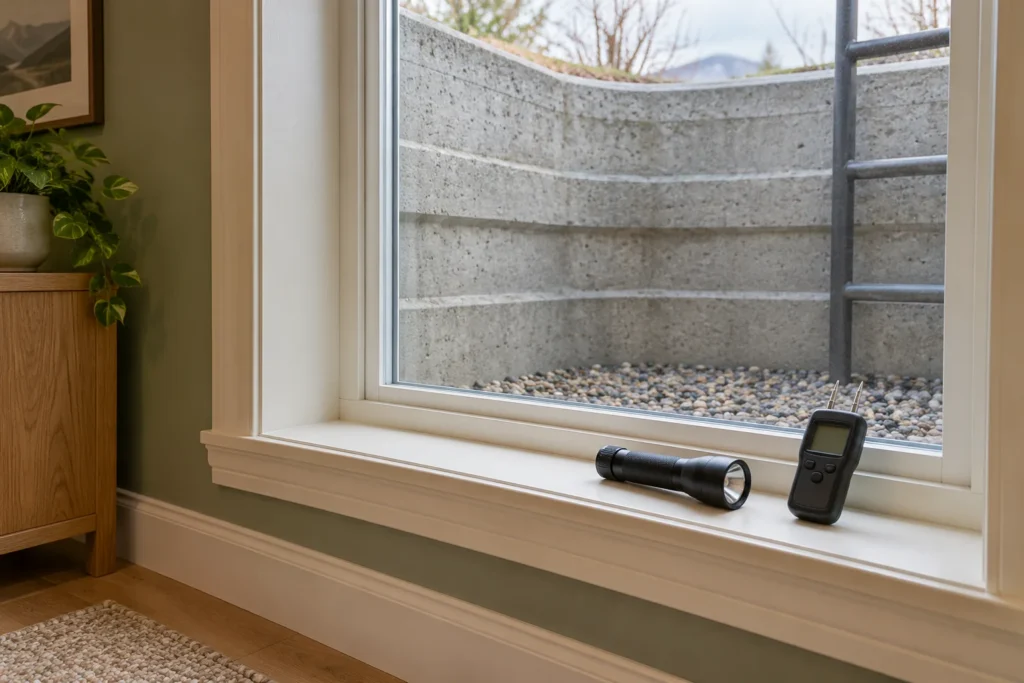
In a Holladay home, accessible drywall, framing, utility connections and subfloor may provide useful readings. A thermal image shows surface temperature differences that need interpretation, rather than mold or water behind finishes.
Where an older foundation meets an addition or a bathroom sits above a finished room, tell us about earlier repairs. These are potential inspection areas, not a claim that most moisture occurs at those junctions.
Buying, selling or inheriting
A handover or remodel is an opportunity to ask about basement, crawlspace and attic history. Bring any leak photographs, past reports and known changes to the property before the visit.
The written record describes accessible observations, readings, any lab findings and limitations. If no concern is found in the areas checked, it says so.
Choose the right next step
Match Findings to the Next Step
Start with the building
- Map the concern
- Point out the odor location, suspect surface or water route and explain when it changes.
- Check accessible material
- We use the evidence to define the next step rather than assuming every older room needs testing.
Add lab work selectively
- Clarify the question
- Testing should be proposed for a stated uncertainty or documentation need.
- Read the limitations
- No sample certifies all hidden cavities or supplies a medical diagnosis for a household.
Local context and work detail
Read Samples With the Building Findings
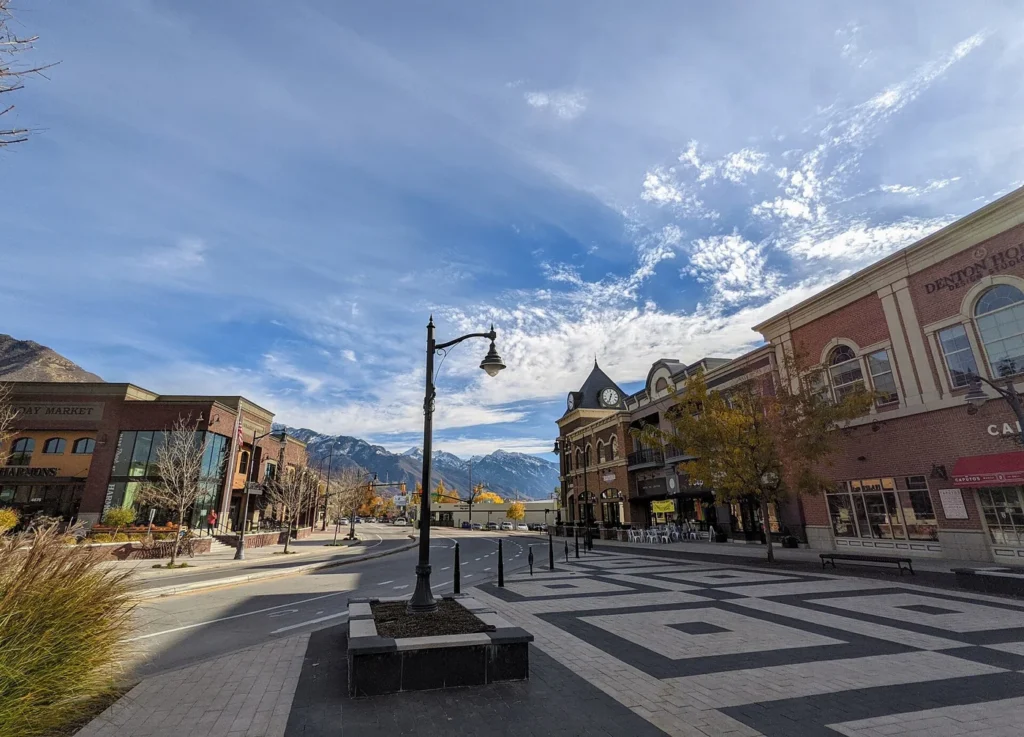

An air or surface result describes what was collected in that location under those conditions. It does not establish why material became wet or how much concealed material is affected.
We relate laboratory findings to accessible moisture evidence and the water history. A low air result does not cancel a wet material, and species identification alone does not determine a repair scope.
Use the right local resource
Holladay’s resident guide separates city storm-drain contacts from sewer improvement districts. If an outside service is involved, keep the actual provider and repair information with your building record.
Renters can also review Salt Lake County’s housing complaint instructions, including its limit on mold complaints without an active water leak not caused by the occupant. A private assessment documents building conditions; it does not decide what a public agency will require.
More detail for your visit
How Your Holladay Mold Inspection Works
Tell us what you've noticed
On the phone we ask about smells, stains, past leaks and how old the basement finish is. For a Holladay home, we also ask how close the lot sits to a creek or ditch.
Map moisture and scan walls
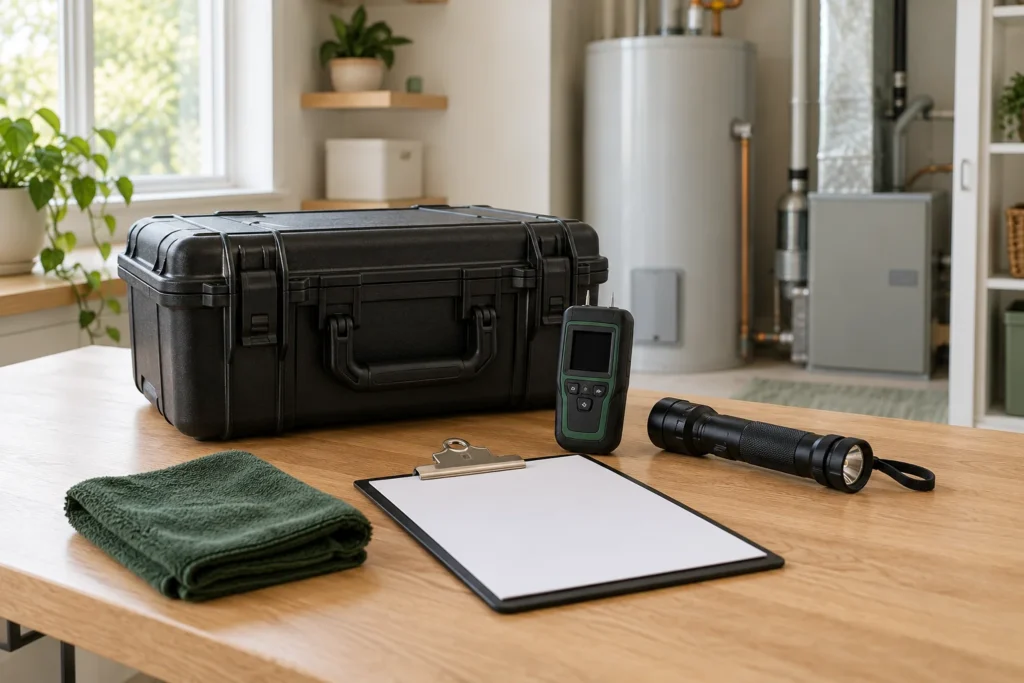
We use moisture meters and thermal imaging across the basement, bathrooms, attic access and around the water heater, marking every reading so you can see the pattern.
Sample only where it helps
If readings or visible growth call for it, we take air or surface samples and send them to a lab. If the house reads dry and clean, we skip sampling.
Go over the written report
You get readings, photos, any lab results, the likely moisture source and our recommended next step, including a clear note when no work is needed.
Before we arrive
Make Your Inspection Visit Count
Mark the later work
Identify additions, finished basement areas or altered plumbing where known.
Preserve useful evidence
Keep photos of intermittent leaks and repairs that are no longer visible.
Leave suspect material undisturbed
Opening a wall can release contamination and change the condition being assessed.
A scoped visit
Get Clear Written Findings
Review the handover
Bring available property history from an owner, seller or previous contractor.
Inspect and measure
We assess the agreed areas and explain any limitation caused by finishes or access.
Keep a usable report
The written record connects findings to locations and any recommended follow-up.
Questions before you book
Your Questions Answered
Prices and What Is Included
What determines the cost of a mold inspection in Holladay?
The visual inspection is free. What adds cost is lab analysis, and the number of samples depends on the home. A Holladay house with a finished basement, an addition and a crawl space may need samples in more than one area, while a single bathroom concern may need one or none.
We explain the sampling plan and its price before we collect anything.
Choosing a Time to Book
When should I schedule a mold inspection in Holladay?
Schedule before a purchase, listing or remodel decision, or when a moisture concern appears. If it changes with rain, melt, watering or closed-house operation, keep a dated note. Creek proximity or a season does not establish that your foundation is wet. We book Monday through Saturday and can discuss access and any lab turnaround before the visit.
Written Reports and Repair Records
Can I give your mold report to my insurance company?
Yes, and many people do. We can't speak for any insurer, but a written report with readings, photos and lab results is useful documentation for your agent or adjuster. In Utah, coverage often turns on whether damage came from a sudden event or long-term seepage. Call your agent before repairs start, and keep a copy with your Holladay home records.
Older Homes and Later Changes
Do older Holladay homes need a different kind of inspection?
We use the same evidence-based method, while adapting access to the property’s actual additions, plumbing changes and finishes. Bring earlier repairs and identify transitions you want checked. A construction year does not prove hidden growth or determine how many samples are needed. The report describes accessible findings and limits.
Water Routes Near Your Home
Should I test for mold before buying a home near Spring Creek or Big Cottonwood Creek?
A water history, stain or odor can justify an inspection before your due-diligence deadline. Nearby creek geography alone does not establish basement moisture or require sampling. Show the specific window well, wall or repair involved. We relate accessible readings and observations to that concern and state what remains concealed.
Shared Spaces and Owner Approval
Can you inspect a condo or townhome in Holladay?
Yes, with the necessary authorization and access. Shared walls and roofs can require coordination with an owner, HOA or manager. We document where evidence is concentrated and what could not be assessed. The report can focus a repair conversation without assigning responsibility from a thermal pattern alone.
Who Else Can Answer Mold Questions?
Who else can help with mold questions in Holladay?
Renters can review Salt Lake County’s current housing reporting process; it limits mold complaints to mold due to an active water leak not caused by the occupant. The EPA’s mold and moisture guidance is also a useful free reference. A private inspection documents your building’s accessible conditions; laboratory analysis is added only when it answers a useful question.
Can Thermal Imaging Alone Find Mold?
Is thermal imaging enough to find mold in my Holladay home?
No. Thermal imaging shows surface temperature differences that can have several causes, including insulation and moisture. We combine relevant measurements, accessible observations and the water history. A sample may help a defined question but does not convert the image into a view through every finished cavity.
Find the right next step
More Services for Your Home
Mold Removal & Remediation In Holladay
See how assessment, affected materials, containment and drying shape the work.
Explore this service
Whole Home Air Purification In Holladay
Compare filtration and coil UV-C, with equipment fit and maintenance explained.
Explore this service
Air Duct Cleaning In Holladay
Compare whole-system cleaning, access needs and when a visit makes sense.
Explore this serviceExplore service information by city
 Salt Lake CityMold Inspection & Testing In Salt Lake City
 West Valley CityMold Inspection & Testing In West Valley City
 West JordanMold Inspection & Testing In West Jordan
 ProvoMold Inspection & Testing In Provo
 SandyMold Inspection & Testing In Sandy
 South JordanMold Inspection & Testing In South Jordan
 St. GeorgeMold Inspection & Testing In St. George
 LehiMold Inspection & Testing In Lehi
 MurrayMold Inspection & Testing In Murray
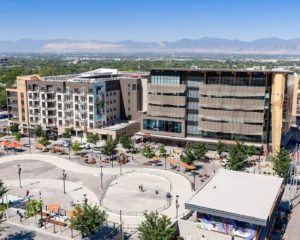 MillcreekMold Inspection & Testing In Millcreek
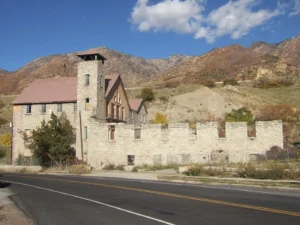 Cottonwood HeightsMold Inspection & Testing In Cottonwood Heights
Local photo credits
- Derrellwilliams · Photo source · CC BY-SA 4.0. Resized and cropped.
- Derrellwilliams · Photo source · CC BY-SA 4.0. Resized and cropped.
- Derrellwilliams · Photo source · CC BY-SA 4.0. Resized and cropped.
- JacquesDemien · Photo source · CC0. Resized and cropped.
- Supercarwaar · Photo source · CC BY-SA 4.0. Resized and cropped.
- formulanone · Photo source · CC BY-SA 2.0. Resized and cropped.
- Tricia Simpson · Photo source · CC BY-SA 3.0. Resized and cropped.
- Scott Catron from Sandy, Utah, USA · Photo source · CC BY-SA 2.0. Resized and cropped.
- Skykingcarter · Photo source · CC BY-SA 4.0. Resized and cropped.
- Stan Shebs · Photo source · CC BY-SA 3.0. Resized and cropped.
- OrangeJedi · Photo source · CC BY-SA 4.0. Resized and cropped.
- Jere Keys · Photo source · CC BY 2.0. Resized and cropped.
- MD.millcreekut · Photo source · CC0. Resized and cropped.
- User:JerAnderson · Photo source · Public domain. Resized and cropped.


Get In Touch
Get a Free Estimate
Schedule your free mold inspection today. Our team is standing by to help protect your home and family.
24/7 Emergency Line
Email Us
Service Area
Holladay & Surrounding Areas
Business Hours
Mon-Sat 8am-7pm | 24/7 Emergency
Fill out the form and our team will reach out to you promptly.