
Get a free estimate
Free visual inspection. Optional lab testing costs extra.
We use your details to respond to your service request. Privacy Policy
Murray Mold Inspection & Testing
What Should the Inspection Help Decide?
Start with the evidence
Check Moisture Where Old Meets New
Renovated rooms can hide the junction between old construction and later work. A Murray inspection starts with those actual interfaces, the water history and the question you need the report to answer.
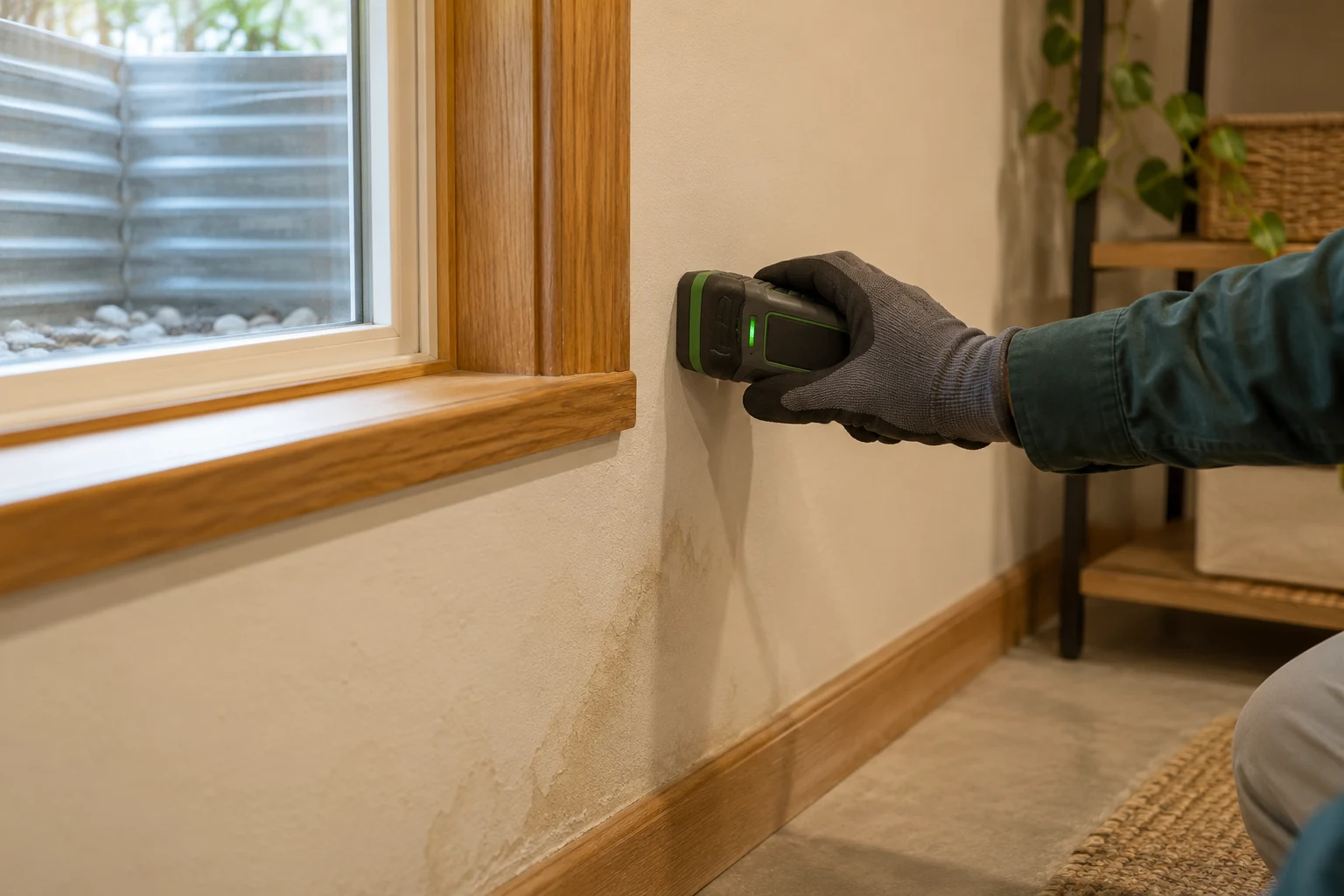
Old meets new
Show where a basement finish or addition joins the earlier building. Plumbing routes and inaccessible edges can matter more than assuming every Murray house shares a construction decade.
Use the current map
Murray hosts updated Little Cottonwood Creek flood-map information. It is useful property context, but it does not establish the condition of a wall cavity after a particular leak.
Before rebuilding
If damaged finishes are due to be replaced, assess the source and current moisture before the evidence is covered again.
A scoped visit
Match Findings to the Next Step
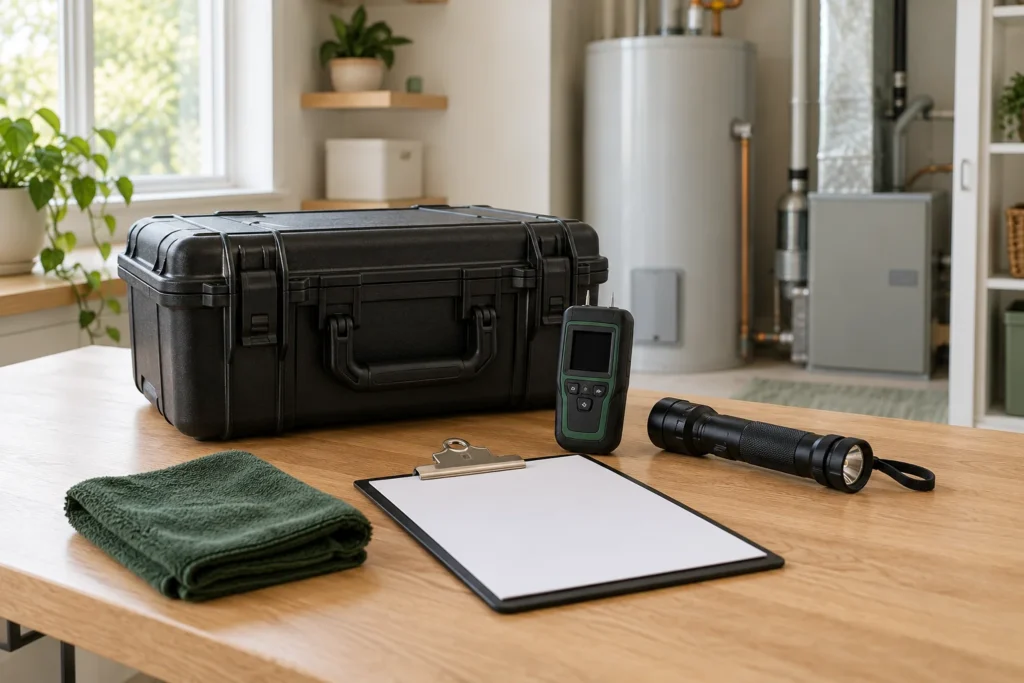
Build the water history
Identify previous seepage, plumbing failures or repaired window wells.
Assess the present condition
We link measurements and images to the areas actually inspected.
Provide practical findings
The report explains what was found and what decisions it can reasonably support.
Why the service matters
Get Answers About Your Mold Concern
An inspection is useful when it helps you choose the next step. Understand the moisture clues, whether a sample would add value and what the written findings do—and do not—show.
Understand the Moisture and Mold Findings
A focused look at accessible areas, water history and useful readings can help explain what needs further attention. Later basement walls can hide older surfaces. Tell us what was covered and what changed, so the written record is useful before further finish work.
Avoid Paying for Tests You Don’t Need
The visual inspection is free. Lab sampling has a separate price and should answer a question that matters to your next decision. Ask how old surfaces, later walls and repair records affect the recommendation for this property.
Get Written Findings You Can Use
Review observations, readings, limits and any lab results together when planning repairs or discussing a property purchase. Keep the explanation with the records for this home so the next decision does not depend on memory.
Why choose Green Home Air
Get Mold Answers From Certified Technicians
Point out additions and earlier repair work. We can discuss the next step even if you do not have complete records.
Have Certified Technicians Check Your Home
Our certified, insured and vetted technicians work as a uniformed team. You can ask who is coming and how the home will be protected. Mention old surfaces, later walls and repair records when arranging access.
Avoid Tests That Won’t Help You
We explain why samples may help and what they cost before collection. A visit that does not show a need for sampling or removal can still give you a useful next step. Use the details about old surfaces, later walls and repair records to ask why each part of the proposed work is needed.
Get Findings You Can Share and Use
Read the findings, limitations and any lab results together. You can share the record when choosing your next repair or property decision.
Testimonials
What Our Customers Say
Don't just take our word for it. See what Utah homeowners say about Green Home Air.

Before the visit
Prepare for Your Murray Inspection
You do not need complete records to ask for help. For this visit, note old surfaces, later walls and repair records. Start with what you know, then discuss the visit, its limits and the proposed price.
Local context and work detail
Know What Your Murray Visit Includes
The visual inspection is free. We assess the areas of concern with accessible observations and moisture measurements, and use thermal images to identify temperature patterns worth checking. The camera does not directly reveal wet material or mold behind drywall.
A window-well edge, water-heater area or junction between an older building and a later finish may be relevant. The scope and access are recorded.
A Report for Your Next Decision
The written record identifies observations, readings and any sample locations. Lab testing is extra and is proposed when it adds useful information. Visible mold often does not need species identification to support moisture correction and cleanup.
Buyers and sellers can discuss that record with their own advisers. Murray’s current Little Cottonwood Creek map resource may add address-specific flood context, but it does not measure the present condition of a wall.
Choose the right next step
Get Clear Written Findings
Visible and accessible
- Check the interface
- We inspect the accessible edges of additions, utility areas and damaged finishes included in the scope.
- Report access limits
- A concealed cavity is not described as checked simply because the room was visited.
Selected samples
- An unresolved question
- Samples may help when observations alone leave a meaningful uncertainty.
- Clear documentation
- The lab finding belongs with its location, collection conditions and the rest of the building evidence.
More detail for your visit
Check Before Covering the Basement Walls
If a Murray basement is due for new drywall or flooring, investigate an unresolved leak while the relevant area is accessible. Earlier water-entry photographs and repair records help distinguish history from the current condition.
Do not delay a current moisture concern until runoff season. Where a symptom only appears after rain or melt, note that pattern and discuss whether a later recheck would add information.
More detail for your visit
Prepare for Your Murray Home Inspection
Provide relevant observations and safe access; a checklist item is not a diagnosis.
Symptom pattern
Write down when the musty smell is worst, such as during spring runoff or closed-up inversion weeks.
Utility access
Clear a path to the furnace, water heater, sump area and any crawl space hatch.
Water-event records
Gather records of any actual water event at the property and what was dried, removed or repaired.
Current flood map
Look up your FEMA flood zone if you live near Little Cottonwood Creek around 5600 South.
Basement history
Tell us when the basement was finished and whether those walls have ever been opened.
Keep evidence visible
Hold off on bleach, paint or sealant so we can see the growth as it really is.
Written leak notice
If you rent, report any active leak to your landlord in writing and keep a copy.
Local context and work detail
Keep Clear Records for Rental Questions


A dated condition report can give a Murray tenant and owner the same record of accessible observations. It does not resolve responsibility, lease terms or a dispute about when a problem began.
Salt Lake County accepts housing reports about active leaks and certain other conditions. Its reporting page limits mold complaints to mold due to an active water leak not caused by the occupant; consult the current county instructions for that separate process.
After earlier water entry
If your basement took water previously, tell us what was dried, removed or repaired and what was covered again. An old event can guide questions, but it does not prove that moisture or growth remains today.
Accessible readings and observations may support a next step. Any unexamined material behind finishes stays a limitation in the written assessment.
Before we arrive
Make Your Inspection Visit Count
Bring earlier work records
A renovation sketch or leak repair invoice may explain concealed routes.
Clear lower wall access
Move stored items enough to reach the specific foundation or utility area safely.
Keep map questions separate
Use the city flood resource for exposure context and your insurer for coverage advice.
Questions before you book
Your Questions Answered
Prices and What Is Included
What affects the cost of a mold inspection in Murray?
The visual inspection is free, including moisture mapping and a thermal scan of the areas of concern. Lab testing is extra, and the cost depends on how many samples the house needs. A single damp corner in a Murray basement may need one sample or none.
A larger home with several problem areas, or a buyer who wants documentation for each level, needs more. We explain why each sample is worth taking before we take it.
Choosing a Time to Book
When is the best time to have a Murray home inspected?
Before a purchase deadline, before a basement is covered and after a water event are useful decision points. If the symptom appears only with rain, melt or closed-house conditions, note that pattern and discuss it when scheduling. The current building evidence matters more than choosing a season, and an active leak should not wait.
Written Reports and Repair Records
Will my insurer accept your mold inspection report?
We can't say how a particular Utah insurer will treat a claim, and we don't give coverage advice. A written report documents the moisture readings, thermal images, photos and lab results in one place, with dates. Keep it with your own photos.
The Utah Insurance Department notes that standard homeowners policies don't cover flood, so it helps to know whether water in your Murray basement came from a flood, a leak or groundwater.
Water Routes Near Your Home
I'm buying in the Murray Hillside Historic District. Do I need a mold inspection?
An older Hillside-area home with additions, later finishes or a water history may merit an inspection during the purchase period. Bring known repair records and identify concerns. Thermal patterns and accessible moisture measurements can guide the assessment, but do not certify that every concealed cavity is dry. The report states the actual findings and limitations.
Other Tests and Inspection Limits
Does your inspection check for lead from the old Murray smelter?
No. Our scope here is mold and moisture. Soil, lead or arsenic questions need the appropriate environmental testing specialist and a separate assessment. If your concern relates to earlier site use, explain that when booking so the service is not confused with a mold inspection. We do not infer contamination from Murray’s industrial history.
Rental Questions and Getting Help
Can the Salt Lake County Health Department test my Murray apartment for mold?
Its housing complaint page says the department can't respond to mold complaints unless the mold comes from an active water leak the occupant didn't cause. It does take reports of active roof or plumbing leaks and floods. If you rent in Murray, report the leak to your landlord first and keep a copy.
A private inspection with a written report can then document whether mold has followed the water.
Musty Smells and Air-Cleaning Limits
My Murray house smells musty, but I can't see any mold. What now?
A musty smell can have several causes, so start with its location and when it appears. We assess accessible material, relevant moisture evidence and possible routes. Thermal patterns may help focus checks but do not prove concealed mold. We explain whether further access or samples would add information; if no concern is found, the report says what was checked.
Lab Results and Timing
How long does a Murray mold inspection take, and when do we get results?
The visit length depends on the size of the home and how many areas need mapping, and a finished basement with a crawl space takes longer than a single bathroom. If samples are taken, they go to a lab for analysis, and the written report follows once results come back. We'll give you an expected date at the visit.
If the visual inspection already answers the question, you hear the findings before we leave your Murray home.
Find the right next step
More Services for Your Home

Mold Removal & Remediation In Murray
See how assessment, affected materials, containment and drying shape the work.
Explore this service
Whole Home Air Purification In Murray
Compare filtration and coil UV-C, with equipment fit and maintenance explained.
Explore this service
Air Duct Cleaning In Murray
Compare whole-system cleaning, access needs and when a visit makes sense.
Explore this serviceExplore service information by city
 Salt Lake CityMold Inspection & Testing In Salt Lake City
 West Valley CityMold Inspection & Testing In West Valley City
 West JordanMold Inspection & Testing In West Jordan
 ProvoMold Inspection & Testing In Provo
 SandyMold Inspection & Testing In Sandy
 South JordanMold Inspection & Testing In South Jordan
 St. GeorgeMold Inspection & Testing In St. George
 LehiMold Inspection & Testing In Lehi
 MillcreekMold Inspection & Testing In Millcreek
 HolladayMold Inspection & Testing In Holladay
 Cottonwood HeightsMold Inspection & Testing In Cottonwood Heights
Local photo credits
- CountyLemonade/CL · Photo source · CC BY 3.0. Resized and cropped.
- Famartin · Photo source · CC BY-SA 4.0. Resized and cropped.
- An Errant Knight · Photo source · CC BY-SA 4.0. Resized and cropped.
- JacquesDemien · Photo source · CC0. Resized and cropped.
- Supercarwaar · Photo source · CC BY-SA 4.0. Resized and cropped.
- formulanone · Photo source · CC BY-SA 2.0. Resized and cropped.
- Tricia Simpson · Photo source · CC BY-SA 3.0. Resized and cropped.
- Scott Catron from Sandy, Utah, USA · Photo source · CC BY-SA 2.0. Resized and cropped.
- Skykingcarter · Photo source · CC BY-SA 4.0. Resized and cropped.
- Stan Shebs · Photo source · CC BY-SA 3.0. Resized and cropped.
- OrangeJedi · Photo source · CC BY-SA 4.0. Resized and cropped.
- MD.millcreekut · Photo source · CC0. Resized and cropped.
- Derrellwilliams · Photo source · CC BY-SA 4.0. Resized and cropped.
- User:JerAnderson · Photo source · Public domain. Resized and cropped.


Get In Touch
Get a Free Estimate
Schedule your free mold inspection today. Our team is standing by to help protect your home and family.
24/7 Emergency Line
Email Us
Service Area
Murray & Surrounding Areas
Business Hours
Mon-Sat 8am-7pm | 24/7 Emergency
Fill out the form and our team will reach out to you promptly.