
Hantavirus Cleanup & Rodent Contamination Services
St. George's Trusted Hantavirus Cleanup & Rodent Contamination Company
Improve your indoor air quality and HVAC efficiency. Our certified technicians remove dust, allergens, and contaminants from your air ducts using safe, proven cleaning methods.
INDOOR AIR QUALITY & RODENT CONTAMINATION
Hantavirus Risk Starts Where Rodents Leave Contamination Behind
Rodent urine, droppings, saliva, and nesting materials can carry harmful viruses. When disturbed, contaminated particles can become airborne and create a serious health risk inside the home.
Airborne Exposure Risk
Sweeping or vacuuming can send particles into the air
Rodent Droppings & Urine
Contaminated waste can release harmful particles when disturbed
Hidden Nesting Areas
Attics, crawlspaces, garages, and ducts may hold contamination
Respiratory Health Concern
Hantavirus can cause serious illness affecting the lungs
Address Rodent Contamination at the Source, Before It Circulates Through Your Home
Hantavirus is most often associated with exposure to infected rodents and their urine, droppings, saliva, or nesting materials. The greatest risk comes when contaminated materials are disturbed and particles become airborne.
Safe cleanup requires more than ordinary vacuuming or sweeping. In fact, dry sweeping or vacuuming rodent droppings can increase exposure risk by stirring contaminated particles into the air.
Green Home Air helps homeowners address indoor air quality concerns connected to rodent contamination, HVAC buildup, and hidden areas where contaminants may collect.
When rodent activity has been found in or near the home, it is important to identify the source, handle cleanup safely, and reduce the chance of contaminated air moving through the living space.
Important Safety Note:
-
Do not sweep or vacuum dry rodent droppings
-
Ventilate the area before cleanup
-
Use proper disinfecting procedures
-
Address the rodent source before treating the air
Why Act Now
Rodent Contamination Can Become an Airborne Health Concern.
Hantavirus risk is tied to exposure from infected rodents, especially their urine, droppings, saliva, and nesting materials. When contaminated areas are disturbed, particles can become airborne and create a serious respiratory health risk inside the home.
- Rodent Droppings & Urine
- Airborne Exposure Risk
- Hidden Nesting Materials
- Attics, Crawlspaces & Ducts
- Protects Indoor Air Quality
Real Results
See The Difference We Make
Every job tells a story. Behind each of these photos is a family that got their health and home back. Drag the slider to compare before and after.
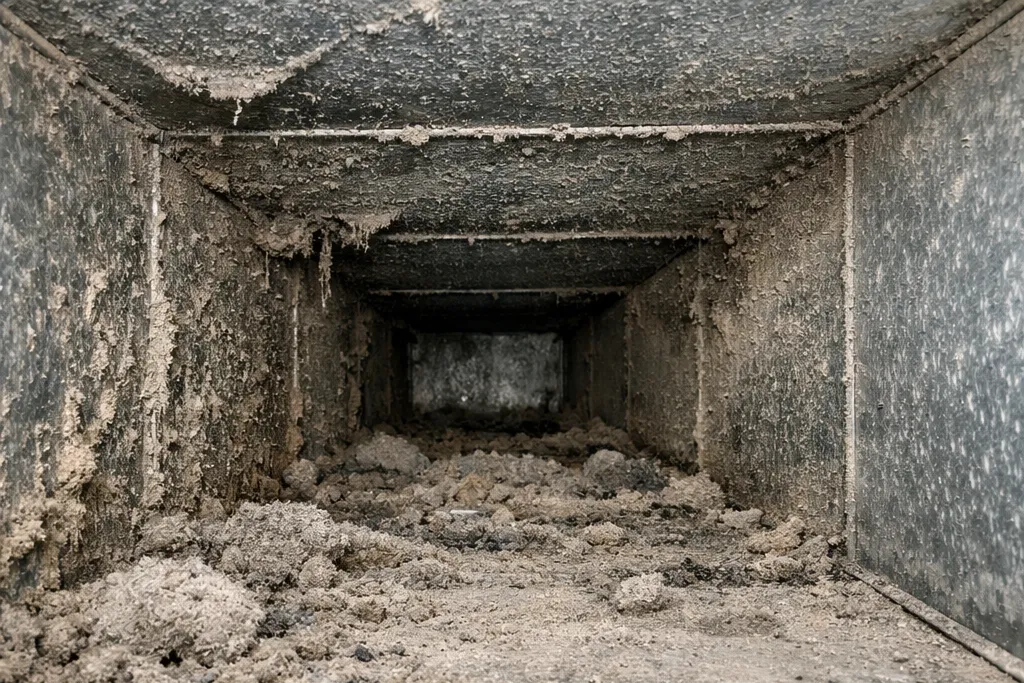
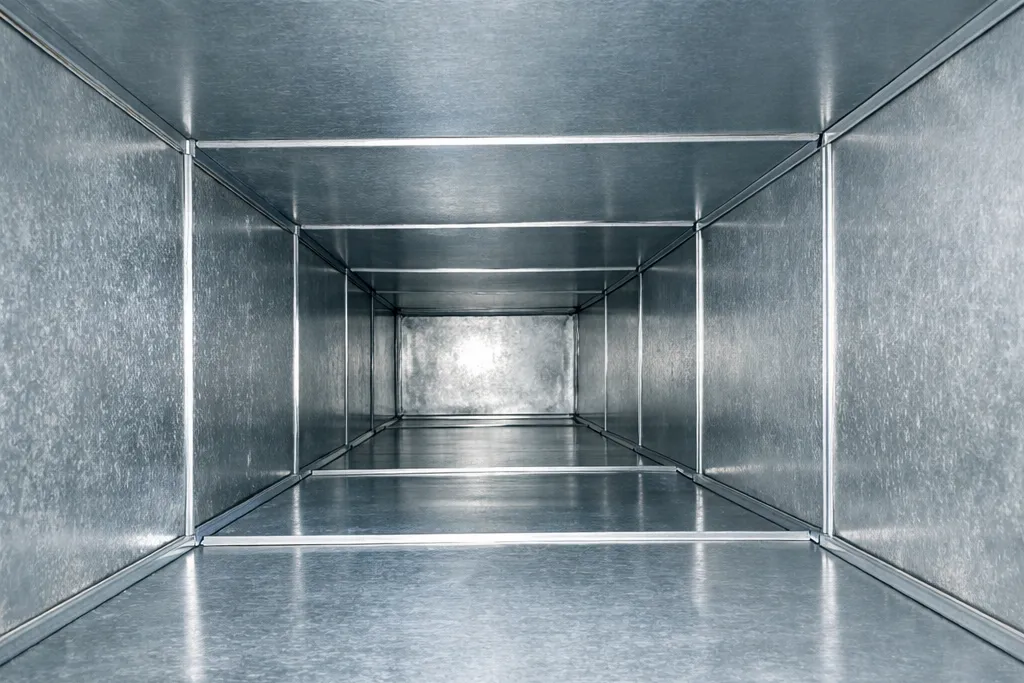
Air Duct Cleaning
Significant dust and debris were removed from the system, helping improve airflow, reduce allergens, and create a cleaner indoor environment.
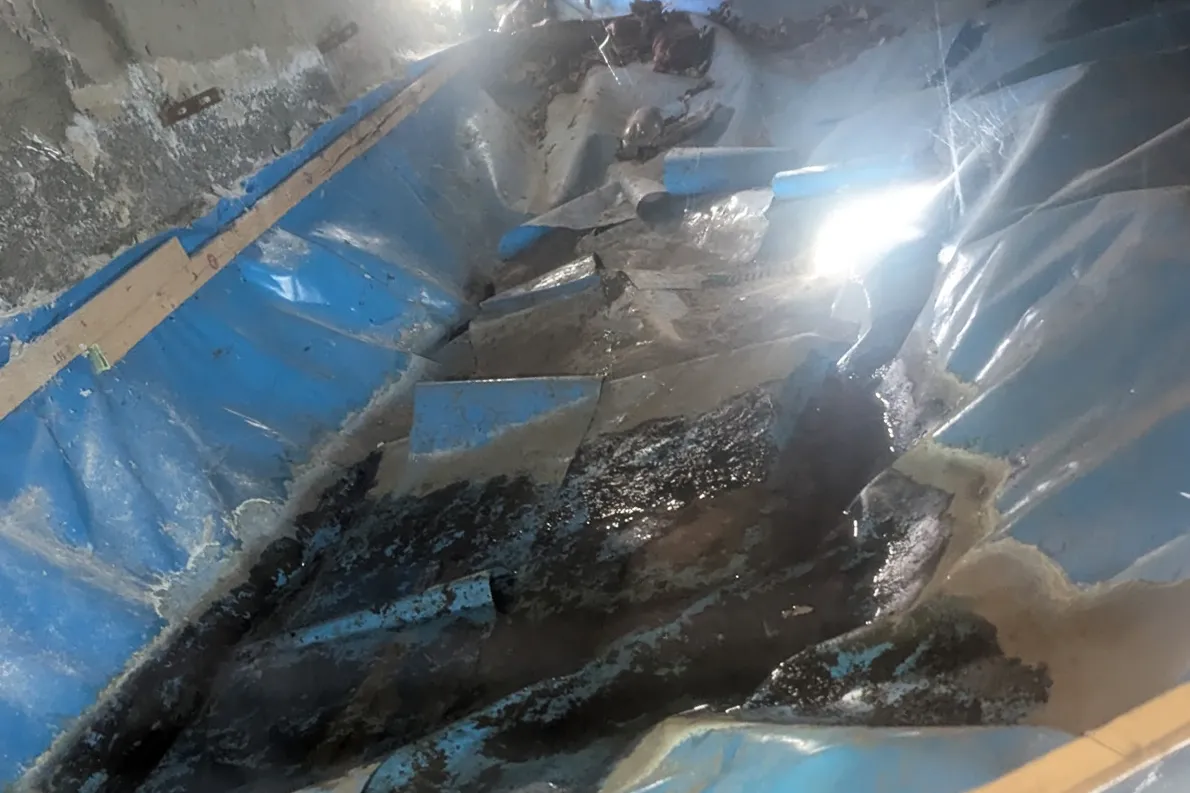
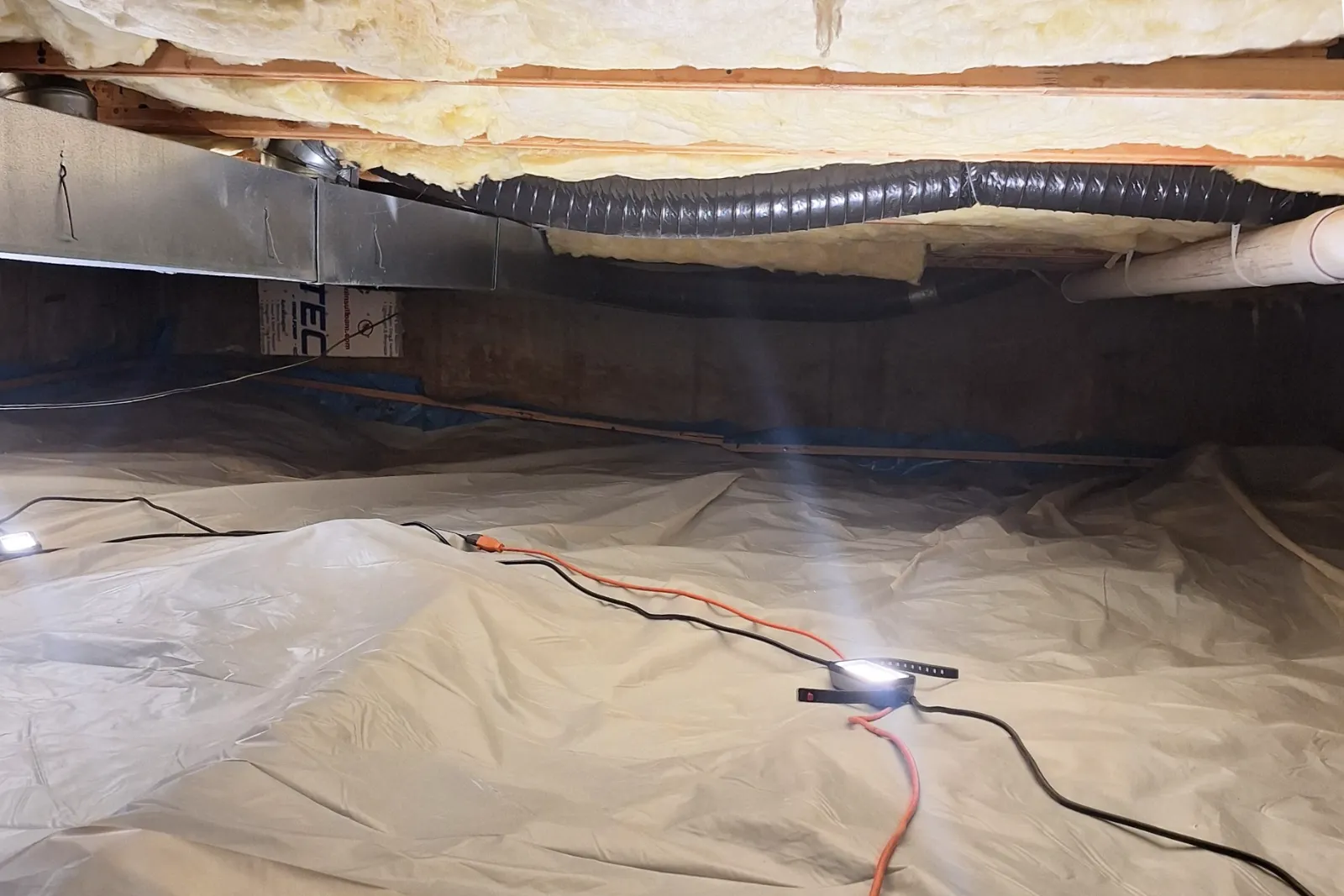
Basement Mold Removal
Extensive mold growth across entire basement after flooding. Family experienced fatigue and respiratory issues. Fully remediated in 3 days.
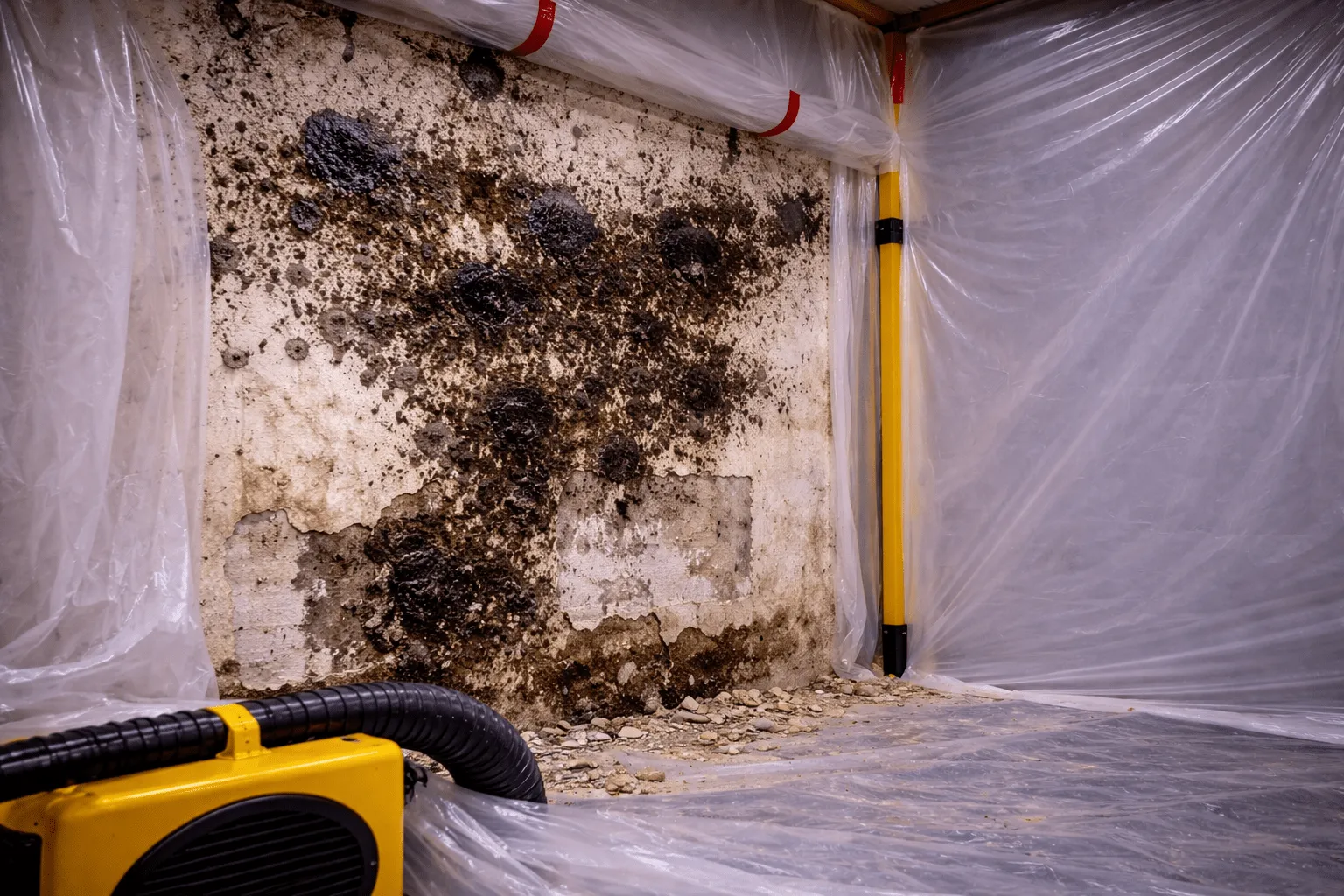
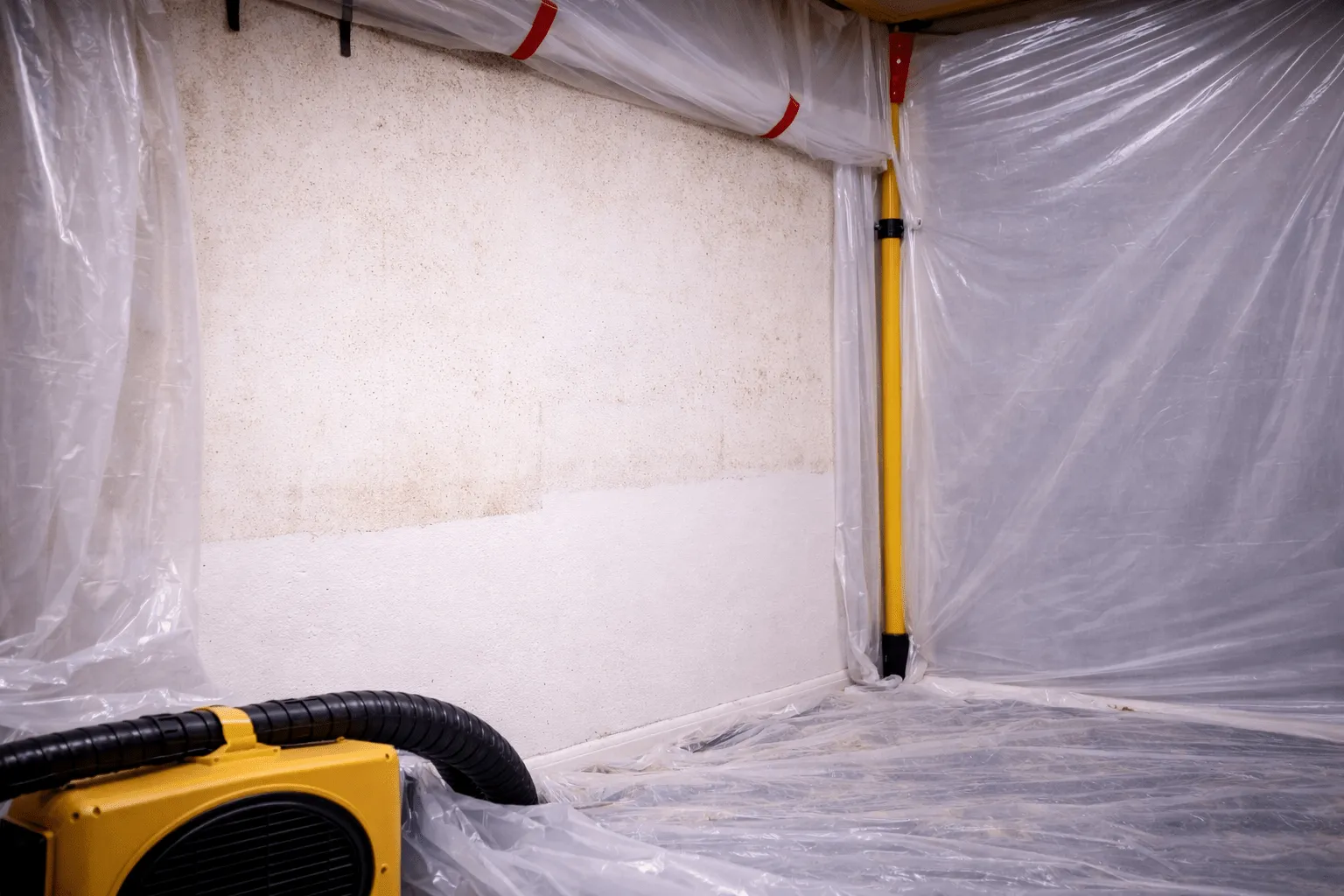
Wall Mold Remediation
Widespread mold spread across interior walls from hidden moisture. Safely removed and treated, restoring a clean, healthy surface.
Ready To See Results Like These?
We have hundreds more before/after photos. Call us today and we'll show you exactly what we can do for your home.
Our Services
Comprehensive Air Quality Solutions
From emergency mold removal to preventative HVAC maintenance, we provide complete indoor air quality services for Utah homes and businesses.
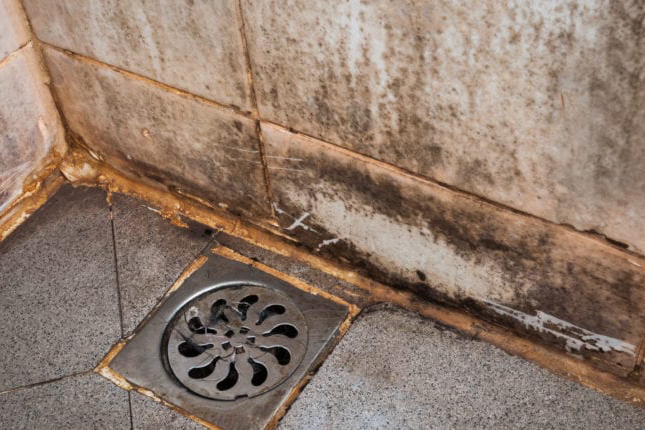
Mold Inspection & Remediation
Complete mold detection, testing, and safe removal. We identify the source, contain the affected area, remove all mold, and prevent future growth.
- Free Initial Inspection
- Lab-tested mold identification
- Complete containment & removal
- Air quality testing
- Prevention strategies
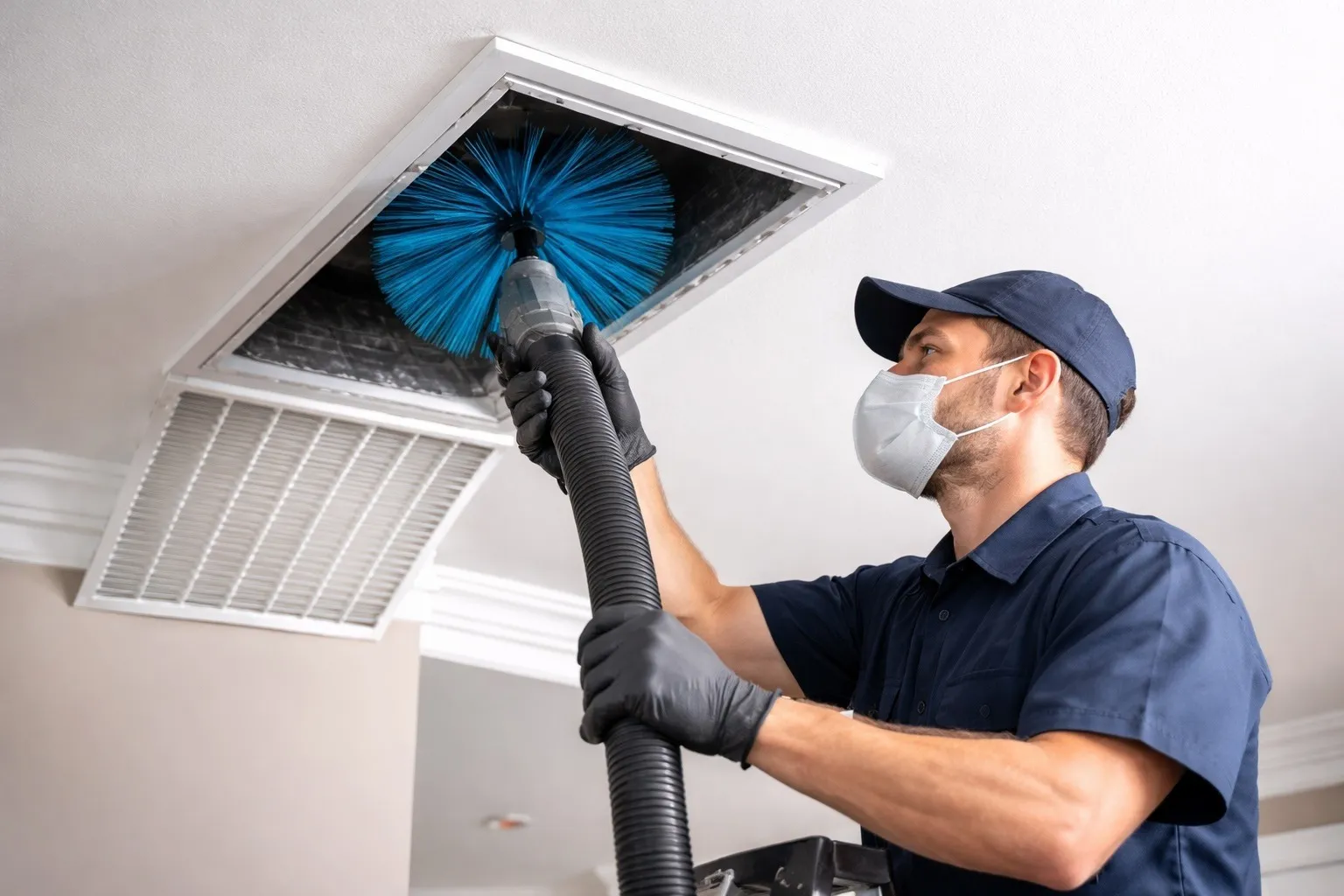
Air Duct Cleaning
Air duct cleaning removes dust, allergens, and contaminants that build up inside your HVAC ductwork, helping restore cleaner air throughout your home.
- Improves indoor air quality
- Removes dust and allergens from ductwork
- Helps reduce mold spores and contaminants
- Cleans hard-to-reach HVAC areas

Whole-Home Air Purification
Whole-home air purification systems work with your HVAC system to clean the air as it circulates through your home, helping reduce dust, allergens, mold spores, bacteria, and odors.
- Improves indoor air quality
- Helps reduce allergens and irritants
- Reduces mold spores and bacteria
- Helps eliminate odors
Testimonials
What Our Customers Say
Don't just take our word for it. See why thousands of Utah homeowners trust Green Home for their mold remediation needs.

Local Expertise
Hantavirus Decontamination in St. George
The St. George Picture
Washington County's desert terrain supports deer mouse populations, and St. George has a large number of seasonal homes, casitas, and outbuildings that sit closed and undisturbed for months. That combination is how rodent contamination builds up without anyone knowing until the door opens.
Hantavirus risk in St. George follows a pattern specific to this area. The surrounding desert supports deer mice, and what makes Washington County distinct is how many structures sit empty for extended periods: seasonal and second homes closed from late spring through early fall, detached casitas, guest quarters, and outbuildings at the edge of open desert.
Droppings and nesting material accumulate undisturbed for months, and then owners return, open the door, and start cleaning, which is the highest-risk moment in the whole sequence. If you have found droppings at a closed-up property, do not start cleaning.
What southwest Utah has seen
Hantavirus is rare here, but it has happened. The Southwest Utah Public Health Department reported to St. George News that two of the nine confirmed Utah cases in the decade before that report were in its district, one in 2010 and one in 2014. The department also identified the Pine Valley Guard Station in Washington County as a possible exposure site and posted it as contaminated.
The department said most local exposures happen on private property, in homes, garages and decks, when people stir up dust while cleaning. Spring cleaning carries the highest risk, and fall cleaning carries some too. That is the pattern we plan around. Deer mice are the main carrier in desert and woodland areas like ours. They carry the virus without getting sick, so a healthy-looking mouse does not mean its droppings are safe.
What CDC guidance asks for
CDC cleanup guidance is specific, and we follow it:
- Open doors and windows and let the space air out for 30 minutes before starting
- Do not sweep or vacuum droppings, urine or nests
- Wet everything with disinfectant or a fresh 1-to-9 bleach solution and let it soak
- Bag contaminated insulation and cardboard for disposal
- Shampoo or steam clean affected rugs and upholstery
For larger jobs, we add containment and protective gear, and we remove soiled insulation instead of trying to clean it in place. We disinfect gloves before removing them and handle every bag as contaminated. Afterward, we point out gaps and entry points we noticed, because CDC treats keeping rodents out as the main way to prevent exposure.
Mountain cabins and scheduling
Some St. George households also use cabins or sheds at higher elevations in Washington County, around places like Pine Valley. Those buildings sit closed for long stretches and are a common place to find nests. We serve those properties as well as homes in town. Open those buildings and let them air out before anyone goes inside to clean. If you see droppings on bedding or cushions, leave them for the cleanup.
When you call, we will talk through scheduling. Until the cleanup is done, keep the area closed, keep children and pets out and don't try to clean it with a broom or shop vac.
FAQs
Frequently Asked Questions
I opened my seasonal St. George home and found rodent droppings. What now?
Do not begin cleaning. This is the highest-risk moment, because hantavirus is contracted mainly by inhaling particles released when dried droppings and nesting material are disturbed, and a house closed for months can hold a season's accumulation. If you can safely open doors and windows to ventilate, do that, then stay out of the space and have it professionally assessed and decontaminated.
Are casitas and outbuildings higher risk than the main house?
Generally yes, for the simple reason that they are entered less often. Detached casitas, guest quarters, storage sheds, and outbuildings on St. George properties bordering open desert give deer mice undisturbed space over months, and nobody notices until the door opens. Those are the structures we are called to most frequently in Washington County.
What affects the cost of hantavirus cleanup in a St. George home?
The biggest factor is how widespread the droppings and nesting are. A few droppings in a garage cabinet is a small job. Nesting in attic insulation, wall cavities or ductwork takes much longer, because soiled insulation has to be wetted, bagged and removed. The number of buildings matters too, such as a garage, shed or mountain cabin. We assess the site first and explain the scope.
When is hantavirus risk highest in the St. George area?
The Southwest Utah Public Health Department has said spring is the main risk period, because that is when people clean out garages, sheds and storage areas and stir up dust. Fall cleanings carry some risk too. Rare summer cases have involved people sleeping outdoors near rodents. If you plan a spring cleanout and find droppings, stop and call before you start.
Will my homeowners insurance pay for rodent cleanup in Utah?
Often it will not. Many policies treat rodent infestation as a maintenance issue and exclude it. Some cover damage that rodents cause, such as chewed wiring that leads to a fire, but not the cleanup itself. Every policy is different, so read yours and ask your agent. We can document what we found and what we removed if your insurer wants it.
Has hantavirus actually been found near St. George?
Yes, though cases are rare. The Southwest Utah Public Health Department reported two cases in its five-county district, one in 2010 and one in 2014, and neither was fatal. It also closed the Pine Valley Guard Station as a possible exposure site. Deer mice, the main carrier in the Southwest, live in both desert and woodland areas around Washington County.
Can I just blow out my St. George garage with a leaf blower?
No. CDC guidance says not to sweep or vacuum droppings, urine or nesting material, because that can put virus particles into the air. A leaf blower does the same thing on a bigger scale. Ventilate first, then wet everything with disinfectant and let it soak before wiping it up. If there is a lot of material, professional cleanup is the safer choice.
Who should I contact in Washington County if I'm worried about exposure?
If you feel sick after a possible exposure, call your doctor and mention rodent contact, since early symptoms can look like the flu. For public health questions, the Southwest Utah Public Health Department serves Washington, Iron, Kane, Beaver and Garfield counties. For cleanup of the property itself, we can help. We focus on safe decontamination and do not give medical advice.
Get In Touch
Ready to Breathe Easier?
Schedule your free mold inspection today. Our team is standing by to help protect your home and family.
24/7 Emergency Line
Email Us
Service Area
St. George & Surrounding Areas
Business Hours
Mon-Sat 8am-7pm | 24/7 Emergency
Free Inspection Request
Fill out the form and our team will reach out to you promptly.
Service Areas
More From Green Home Air
Other services in St. George
Hantavirus Decontamination in other cities
- Hantavirus Decontamination in Lehi
- Hantavirus Decontamination in Provo
- Hantavirus Decontamination in Salt Lake City
- Hantavirus Decontamination in Sandy
- Hantavirus Decontamination in South Jordan
- Hantavirus Decontamination in West Jordan
- Hantavirus Decontamination in West Valley City
- Hantavirus Decontamination across Utah