
Hantavirus Cleanup & Rodent Contamination Services
Sandy's Trusted Hantavirus Cleanup & Rodent Contamination Company
Improve your indoor air quality and HVAC efficiency. Our certified technicians remove dust, allergens, and contaminants from your air ducts using safe, proven cleaning methods.
INDOOR AIR QUALITY & RODENT CONTAMINATION
Hantavirus Risk Starts Where Rodents Leave Contamination Behind
Rodent urine, droppings, saliva, and nesting materials can carry harmful viruses. When disturbed, contaminated particles can become airborne and create a serious health risk inside the home.
Airborne Exposure Risk
Sweeping or vacuuming can send particles into the air
Rodent Droppings & Urine
Contaminated waste can release harmful particles when disturbed
Hidden Nesting Areas
Attics, crawlspaces, garages, and ducts may hold contamination
Respiratory Health Concern
Hantavirus can cause serious illness affecting the lungs
Address Rodent Contamination at the Source, Before It Circulates Through Your Home
Hantavirus is most often associated with exposure to infected rodents and their urine, droppings, saliva, or nesting materials. The greatest risk comes when contaminated materials are disturbed and particles become airborne.
Safe cleanup requires more than ordinary vacuuming or sweeping. In fact, dry sweeping or vacuuming rodent droppings can increase exposure risk by stirring contaminated particles into the air.
Green Home Air helps homeowners address indoor air quality concerns connected to rodent contamination, HVAC buildup, and hidden areas where contaminants may collect.
When rodent activity has been found in or near the home, it is important to identify the source, handle cleanup safely, and reduce the chance of contaminated air moving through the living space.
Important Safety Note:
-
Do not sweep or vacuum dry rodent droppings
-
Ventilate the area before cleanup
-
Use proper disinfecting procedures
-
Address the rodent source before treating the air
Why Act Now
Rodent Contamination Can Become an Airborne Health Concern.
Hantavirus risk is tied to exposure from infected rodents, especially their urine, droppings, saliva, and nesting materials. When contaminated areas are disturbed, particles can become airborne and create a serious respiratory health risk inside the home.
- Rodent Droppings & Urine
- Airborne Exposure Risk
- Hidden Nesting Materials
- Attics, Crawlspaces & Ducts
- Protects Indoor Air Quality
Real Results
See The Difference We Make
Every job tells a story. Behind each of these photos is a family that got their health and home back. Drag the slider to compare before and after.
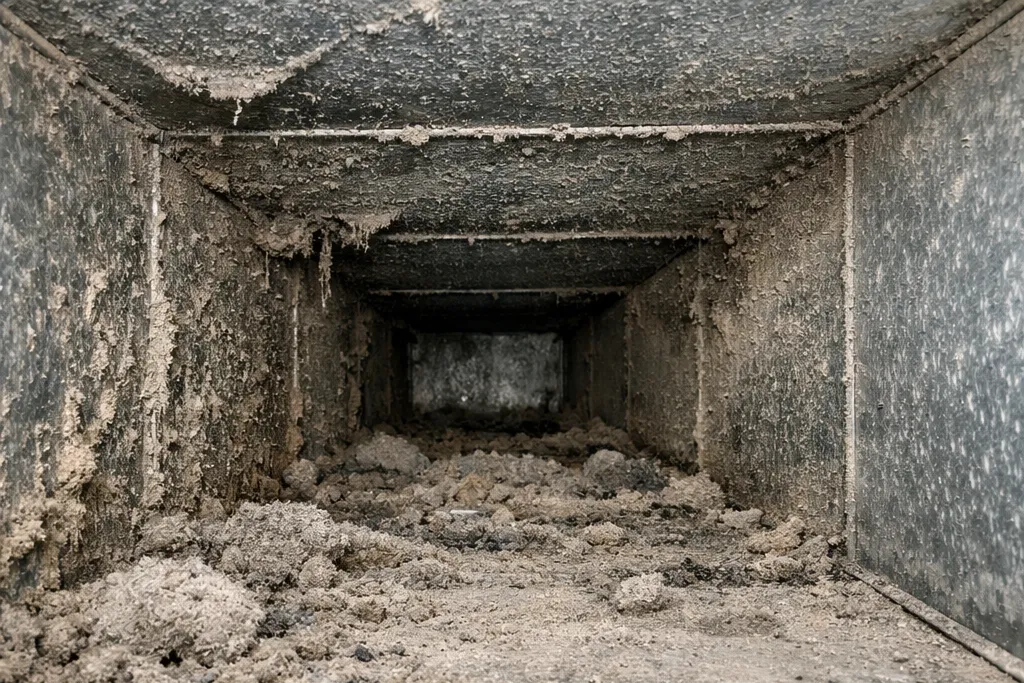
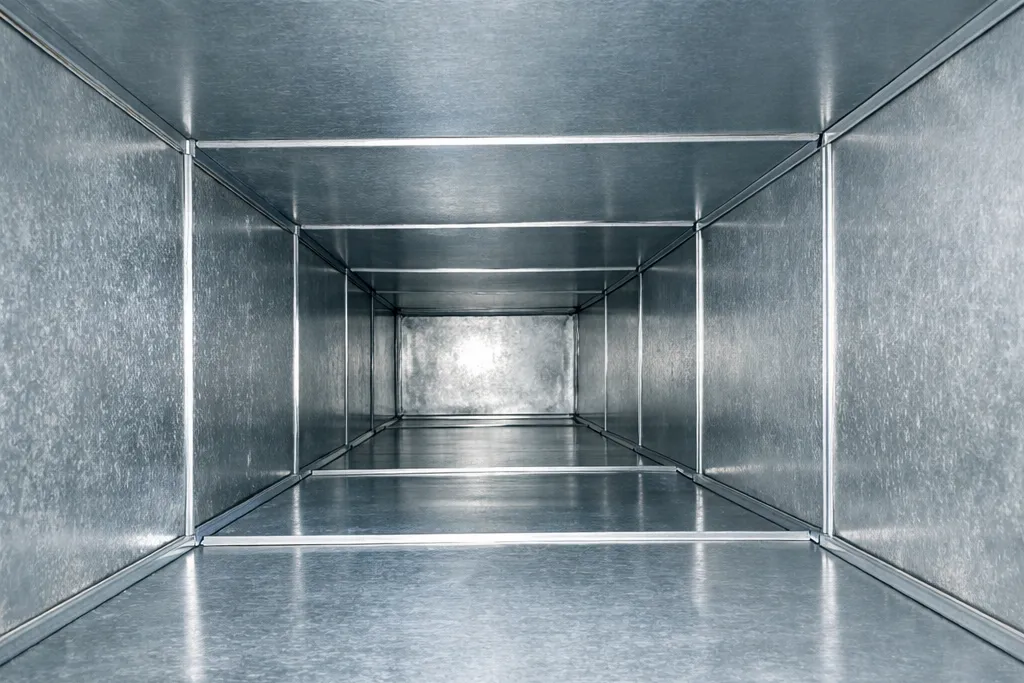
Air Duct Cleaning
Significant dust and debris were removed from the system, helping improve airflow, reduce allergens, and create a cleaner indoor environment.
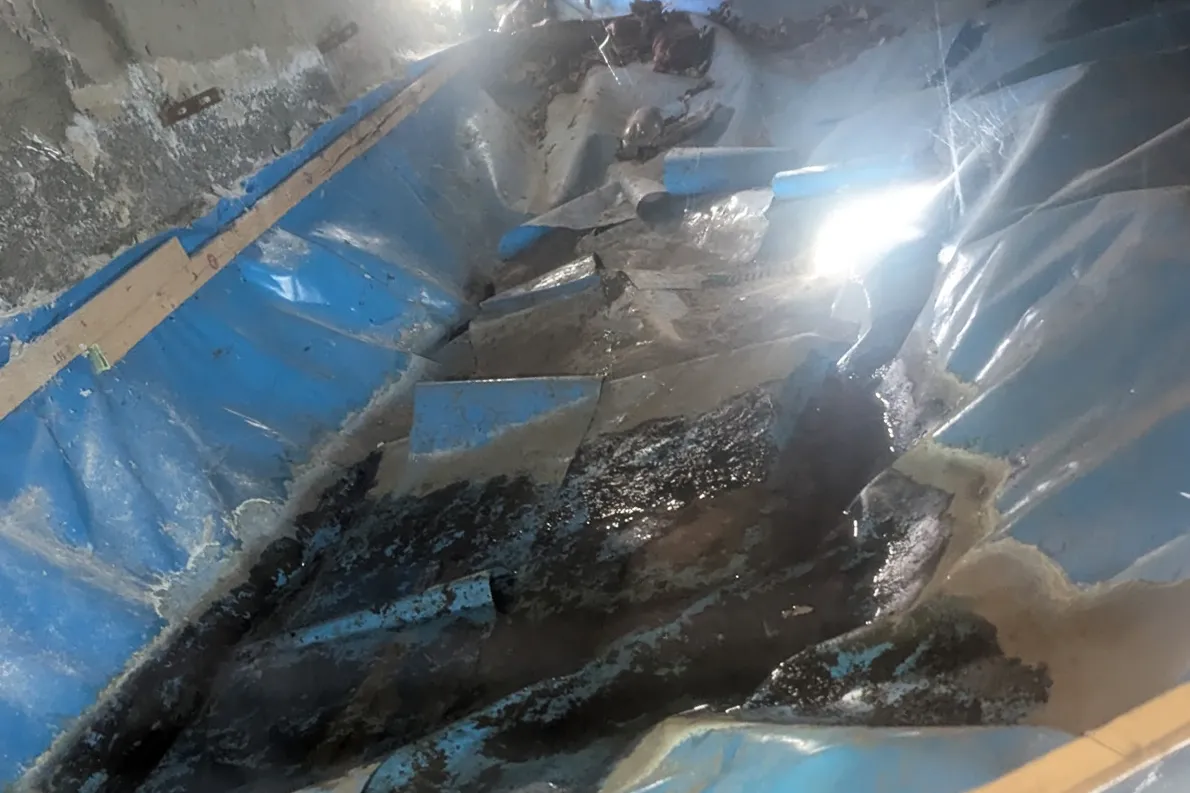
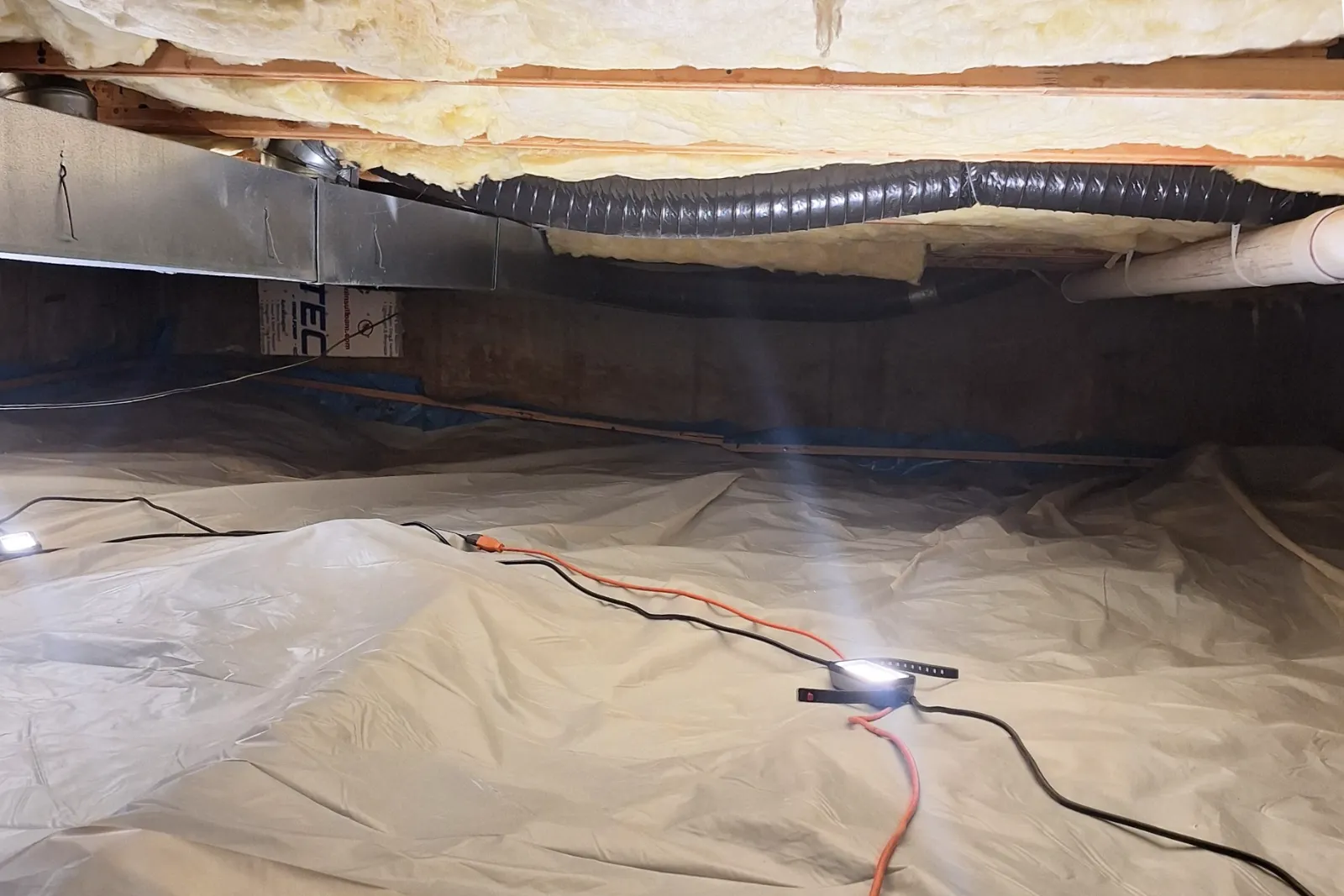
Basement Mold Removal
Extensive mold growth across entire basement after flooding. Family experienced fatigue and respiratory issues. Fully remediated in 3 days.
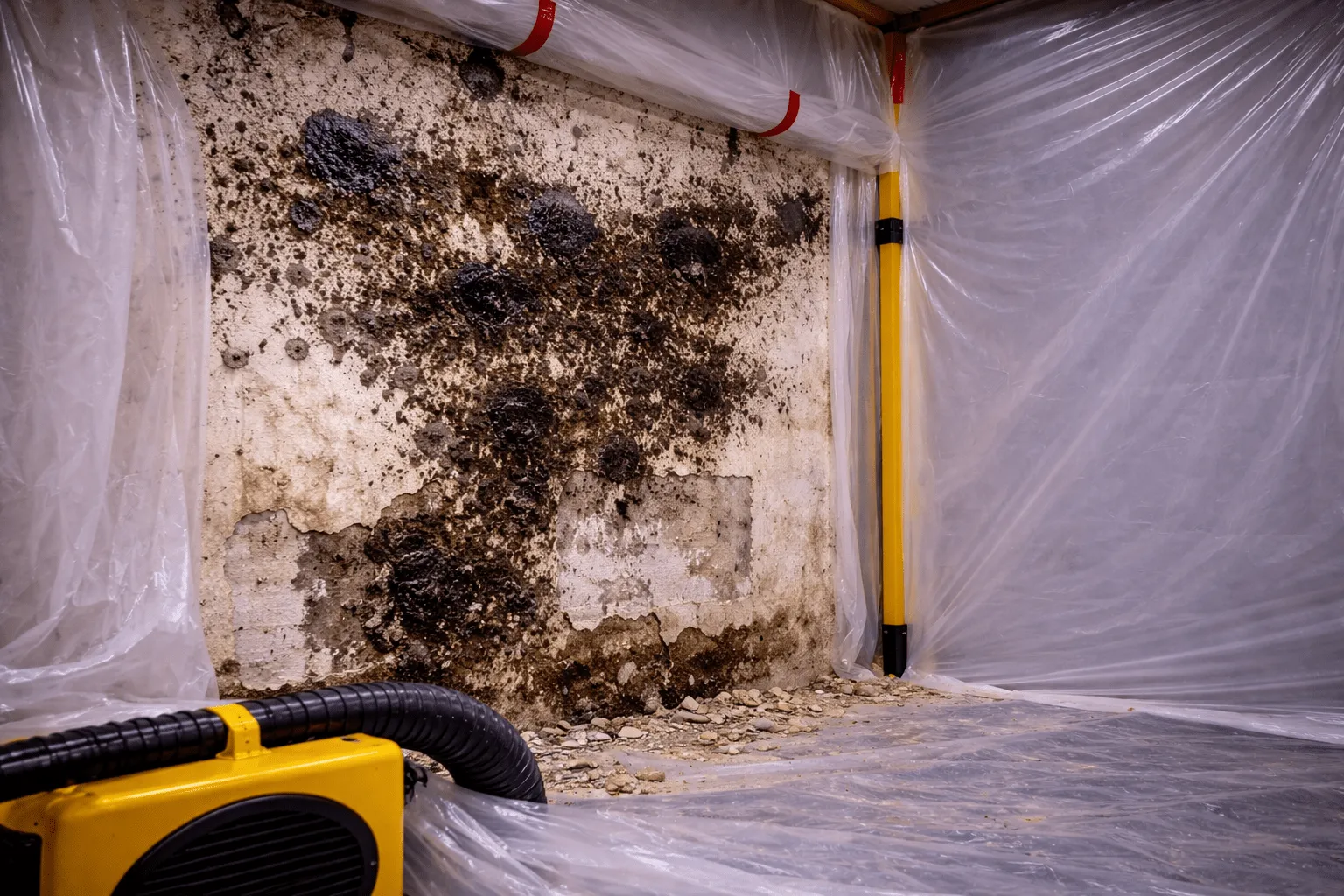
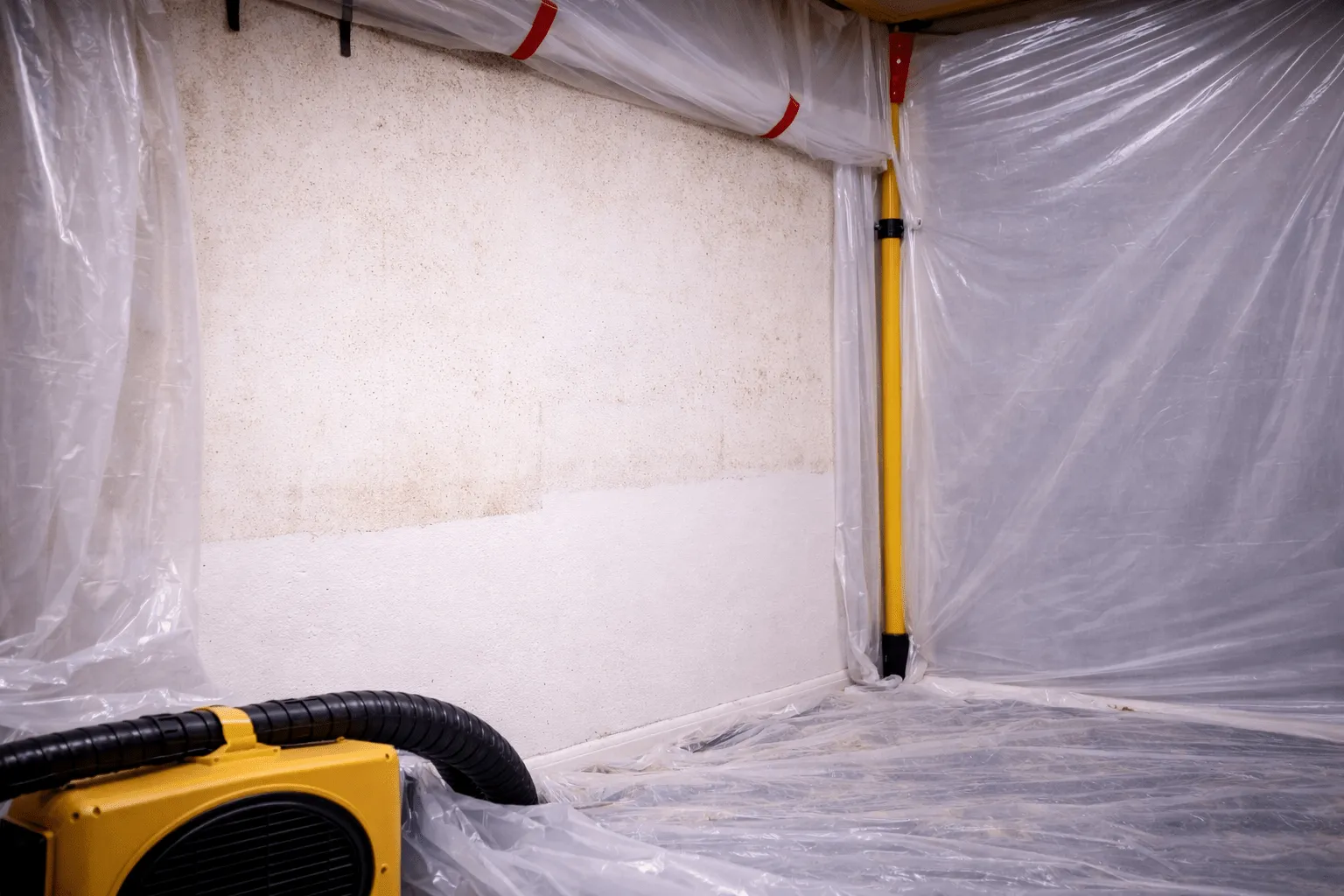
Wall Mold Remediation
Widespread mold spread across interior walls from hidden moisture. Safely removed and treated, restoring a clean, healthy surface.
Ready To See Results Like These?
We have hundreds more before/after photos. Call us today and we'll show you exactly what we can do for your home.
Our Services
Comprehensive Air Quality Solutions
From emergency mold removal to preventative HVAC maintenance, we provide complete indoor air quality services for Utah homes and businesses.
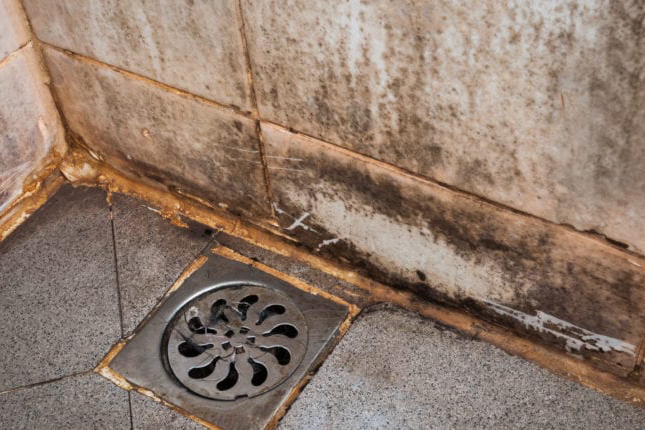
Mold Inspection & Remediation
Complete mold detection, testing, and safe removal. We identify the source, contain the affected area, remove all mold, and prevent future growth.
- Free Initial Inspection
- Lab-tested mold identification
- Complete containment & removal
- Air quality testing
- Prevention strategies
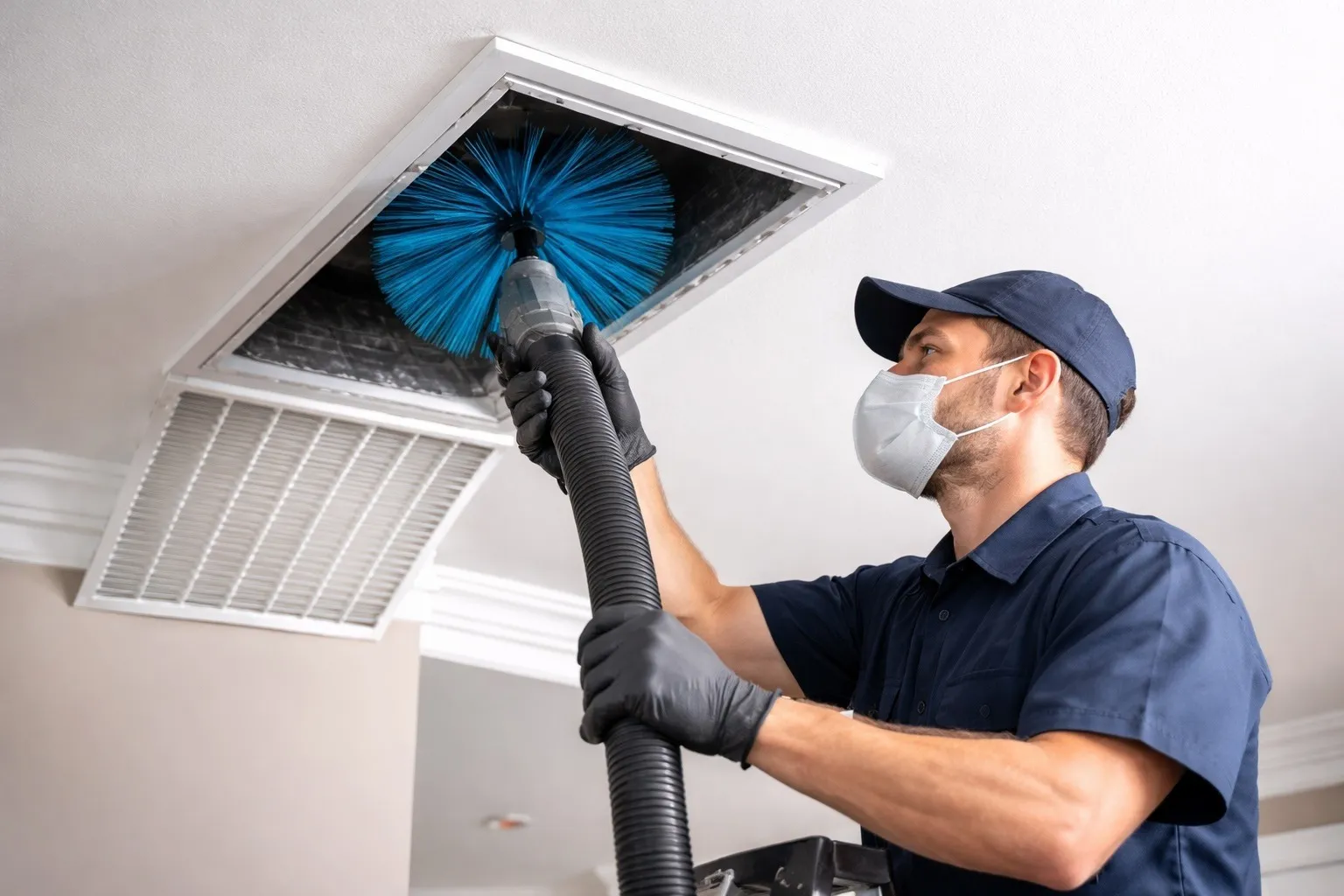
Air Duct Cleaning
Air duct cleaning removes dust, allergens, and contaminants that build up inside your HVAC ductwork, helping restore cleaner air throughout your home.
- Improves indoor air quality
- Removes dust and allergens from ductwork
- Helps reduce mold spores and contaminants
- Cleans hard-to-reach HVAC areas

Whole-Home Air Purification
Whole-home air purification systems work with your HVAC system to clean the air as it circulates through your home, helping reduce dust, allergens, mold spores, bacteria, and odors.
- Improves indoor air quality
- Helps reduce allergens and irritants
- Reduces mold spores and bacteria
- Helps eliminate odors
Testimonials
What Our Customers Say
Don't just take our word for it. See why thousands of Utah homeowners trust Green Home for their mold remediation needs.

Local Expertise
Hantavirus Decontamination in Sandy
The Sandy Picture
Sandy's east-bench properties back right up to open foothill terrain, which is deer mouse habitat. Sheds, detached garages, and crawlspaces along the canyon edge are the spaces where rodent droppings accumulate unnoticed, and those are exactly the conditions hantavirus decontamination exists for.
Hantavirus is carried by deer mice, and deer mice live in the open foothill country Sandy's east side borders directly. Properties near the mouth of Little Cottonwood and along the benches above Dimple Dell sit right at that interface, and mice move indoors readily when the weather turns. The spaces that become a health concern are the ones nobody enters often: detached garages, equipment sheds, crawlspaces, and storage areas.
The risk comes from disturbing that material, so if you have opened a Sandy outbuilding and found droppings, close it back up and call rather than start sweeping.
Living next to open land in Sandy
Dimple Dell Regional Park cuts across Sandy as about 630 acres of protected open space, with more than 15 miles of trails used by hikers, mountain bikers, and horseback riders. Bell Canyon's trail starts right off Wasatch Boulevard and climbs into the mountains. To the east, the Granite area sits near 5,131 feet, with much of its land reaching into Little Cottonwood Canyon. Homes along these edges have wild land close by, and Utah's hantavirus response plan says deer mice, the main carrier of the virus that causes hantavirus pulmonary syndrome, are widespread in Utah.
Horse properties and equestrian users near the park's trails often have barns, tack rooms, and stored hay, which are the kind of quiet, closed spaces mice like. We serve homes and outbuildings across Sandy, including:
- Properties near the Dimple Dell trailheads on 1300 East, Dimple Dell Road, and Mount Jordan Road
- Homes along Wasatch Boulevard near Bell Canyon
- Older homes and outbuildings in the Sandy Historic District
What Utah's numbers tell us
Hantavirus is rare. Utah health officials say the state sees about one or two cases a year, and the state's response plan counted 33 cases from 1987 to 2015. It is also serious, with a fatality rate the state put at 36 percent. Symptoms can appear about one to five weeks after exposure, which is why careful cleanup matters more than speed.
How we clean and what comes after
We follow CDC guidance. We ventilate closed spaces for at least 30 minutes, saturate droppings and nests with disinfectant, and let it sit before removing anything. We never sweep or vacuum droppings dry. Contaminated cardboard is discarded and soiled insulation is bagged and removed.
For heavy infestations, the CDC recommends added protection, including a respirator with HEPA filters, and contacting the local health department. For Sandy, that is the Salt Lake County Health Department.
Cleanup only lasts if mice cannot get back in. Utah health officials recommend closing entry points, trapping mice, storing pet food in sealed containers, and clearing wood piles, trash, and junk piles near buildings. On Sandy properties with horse feed or hay, sealed bins make a real difference. We point out gaps we see around garage doors, utility lines, and vents so you or a pest control company can seal them.
FAQs
Frequently Asked Questions
I found mouse droppings in my Sandy shed. What should I do first?
Close it up and leave it alone. The main exposure route for hantavirus is breathing in particles that become airborne when dried droppings and nesting material are disturbed, so sweeping or vacuuming is the one thing not to do. Sandy's east-bench properties border deer mouse habitat, so this is worth taking seriously. Ventilate the space if you safely can, stay out of it, and have it assessed.
Why are Sandy's foothill properties more of a concern?
Because of where they sit. Deer mice, the carrier species, live in the open foothill terrain that Sandy's east side backs onto directly, particularly near the canyon mouth and above Dimple Dell. Homes at that boundary see mice moving into sheds, detached garages, and crawlspaces when the weather turns, and those low-traffic spaces let droppings and nesting material accumulate unnoticed.
What affects the cost of hantavirus cleanup at a Sandy property?
Mostly how far the contamination has spread and what materials it touched. Droppings on a concrete garage floor are a smaller job than nesting in attic or crawlspace insulation, which has to be bagged and removed. Barns and tack rooms near Dimple Dell with stored hay or feed take longer to clear. We look first and explain what needs removal and what can be disinfected in place.
When do Sandy homeowners most often run into rodent droppings?
Spring is common. Utah health officials issue warnings each spring because warmer weather is when people open and clean sheds, cabins, and storage spaces that sat closed all winter. In Sandy, that often means garages, sheds, and trailers stored through roughly 61 inches of seasonal snow. Before you start, ventilate the space and do not sweep. Call us if the mess is large.
Does homeowners insurance cover rodent cleanup in Sandy?
Often it does not. Many policies treat rodent damage as a maintenance issue rather than a sudden, accidental loss, and some exclude it by name. Coverage varies by policy and insurer, so read yours and ask your agent before work begins. We can provide photos and an itemized invoice describing what was cleaned and removed if you decide to file.
I keep horses near Dimple Dell. How should I handle mouse droppings in my barn?
Treat closed barns and tack rooms the way the CDC treats any outbuilding. Open doors and windows for at least 30 minutes and leave while the space airs out. Wear gloves, soak droppings and nests with disinfectant, and wait before wiping them up. Never sweep them. Move stored items outside to a sunny spot. For heavy nesting or soiled insulation, call a professional.
I hiked in Bell Canyon or Dimple Dell. Am I at risk for hantavirus?
Very little. Utah's hantavirus plan says campers, hikers, and tourists have a very small risk, and it drops further when you avoid rodents. The bigger risk is entering a closed, mouse-infested building or cleaning droppings dry. If you feel ill within about five weeks after a cleanup, tell your doctor about the rodent exposure.
Can I use bleach to clean mouse droppings in my Sandy garage?
Yes. The CDC suggests mixing 1.5 cups of household bleach in a gallon of water, made fresh. Ventilate the garage for 30 minutes first, wear gloves, and spray until the droppings are soaked. Let it sit at least five minutes, then wipe up with paper towels and throw them away in a covered can. Do not sweep or vacuum.
Get In Touch
Ready to Breathe Easier?
Schedule your free mold inspection today. Our team is standing by to help protect your home and family.
24/7 Emergency Line
Email Us
Service Area
Sandy & Surrounding Areas
Business Hours
Mon-Sat 8am-7pm | 24/7 Emergency
Free Inspection Request
Fill out the form and our team will reach out to you promptly.
Service Areas
More From Green Home Air
Other services in Sandy
Hantavirus Decontamination in other cities
- Hantavirus Decontamination in Lehi
- Hantavirus Decontamination in Provo
- Hantavirus Decontamination in Salt Lake City
- Hantavirus Decontamination in South Jordan
- Hantavirus Decontamination in St. George
- Hantavirus Decontamination in West Jordan
- Hantavirus Decontamination in West Valley City
- Hantavirus Decontamination across Utah