
Hantavirus Cleanup & Rodent Contamination Services
South Jordan's Trusted Hantavirus Cleanup & Rodent Contamination Company
Improve your indoor air quality and HVAC efficiency. Our certified technicians remove dust, allergens, and contaminants from your air ducts using safe, proven cleaning methods.
INDOOR AIR QUALITY & RODENT CONTAMINATION
Hantavirus Risk Starts Where Rodents Leave Contamination Behind
Rodent urine, droppings, saliva, and nesting materials can carry harmful viruses. When disturbed, contaminated particles can become airborne and create a serious health risk inside the home.
Airborne Exposure Risk
Sweeping or vacuuming can send particles into the air
Rodent Droppings & Urine
Contaminated waste can release harmful particles when disturbed
Hidden Nesting Areas
Attics, crawlspaces, garages, and ducts may hold contamination
Respiratory Health Concern
Hantavirus can cause serious illness affecting the lungs
Address Rodent Contamination at the Source, Before It Circulates Through Your Home
Hantavirus is most often associated with exposure to infected rodents and their urine, droppings, saliva, or nesting materials. The greatest risk comes when contaminated materials are disturbed and particles become airborne.
Safe cleanup requires more than ordinary vacuuming or sweeping. In fact, dry sweeping or vacuuming rodent droppings can increase exposure risk by stirring contaminated particles into the air.
Green Home Air helps homeowners address indoor air quality concerns connected to rodent contamination, HVAC buildup, and hidden areas where contaminants may collect.
When rodent activity has been found in or near the home, it is important to identify the source, handle cleanup safely, and reduce the chance of contaminated air moving through the living space.
Important Safety Note:
-
Do not sweep or vacuum dry rodent droppings
-
Ventilate the area before cleanup
-
Use proper disinfecting procedures
-
Address the rodent source before treating the air
Why Act Now
Rodent Contamination Can Become an Airborne Health Concern.
Hantavirus risk is tied to exposure from infected rodents, especially their urine, droppings, saliva, and nesting materials. When contaminated areas are disturbed, particles can become airborne and create a serious respiratory health risk inside the home.
- Rodent Droppings & Urine
- Airborne Exposure Risk
- Hidden Nesting Materials
- Attics, Crawlspaces & Ducts
- Protects Indoor Air Quality
Real Results
See The Difference We Make
Every job tells a story. Behind each of these photos is a family that got their health and home back. Drag the slider to compare before and after.
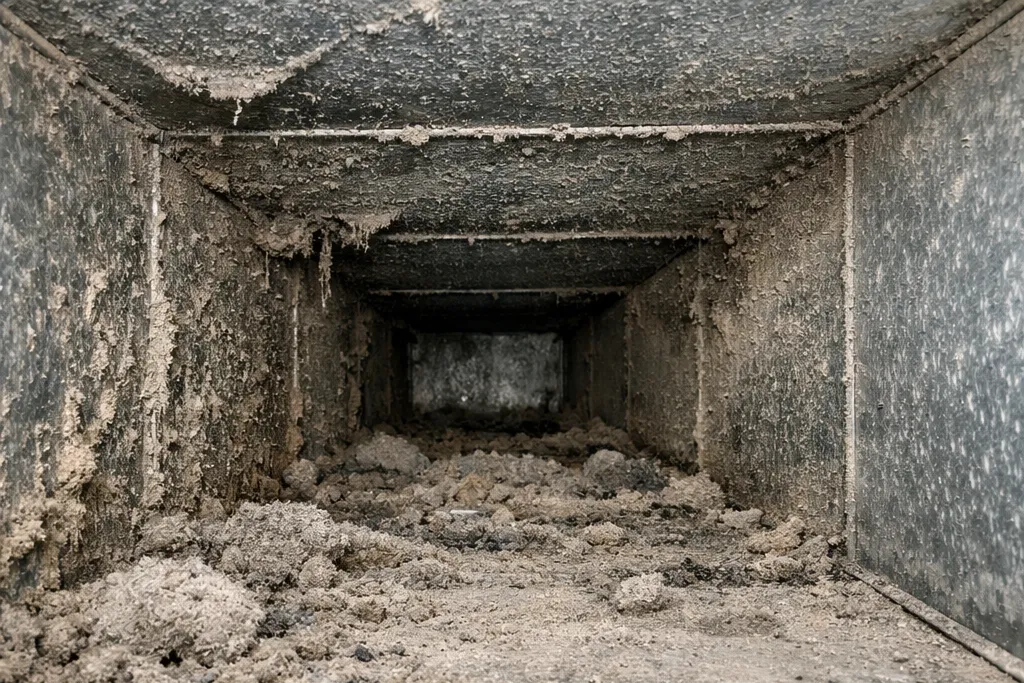
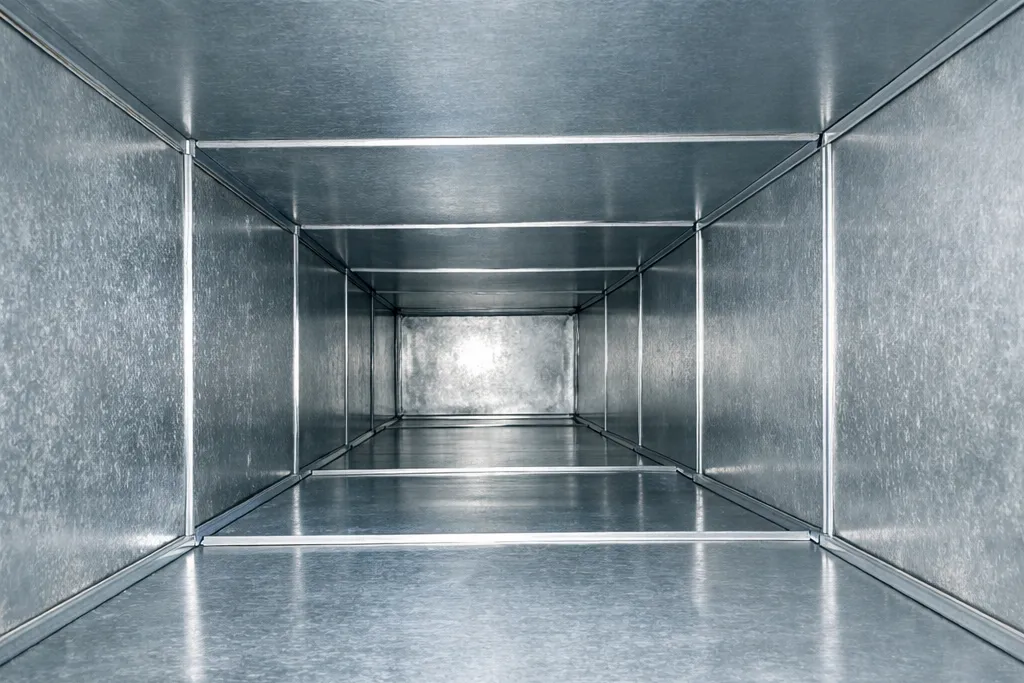
Air Duct Cleaning
Significant dust and debris were removed from the system, helping improve airflow, reduce allergens, and create a cleaner indoor environment.
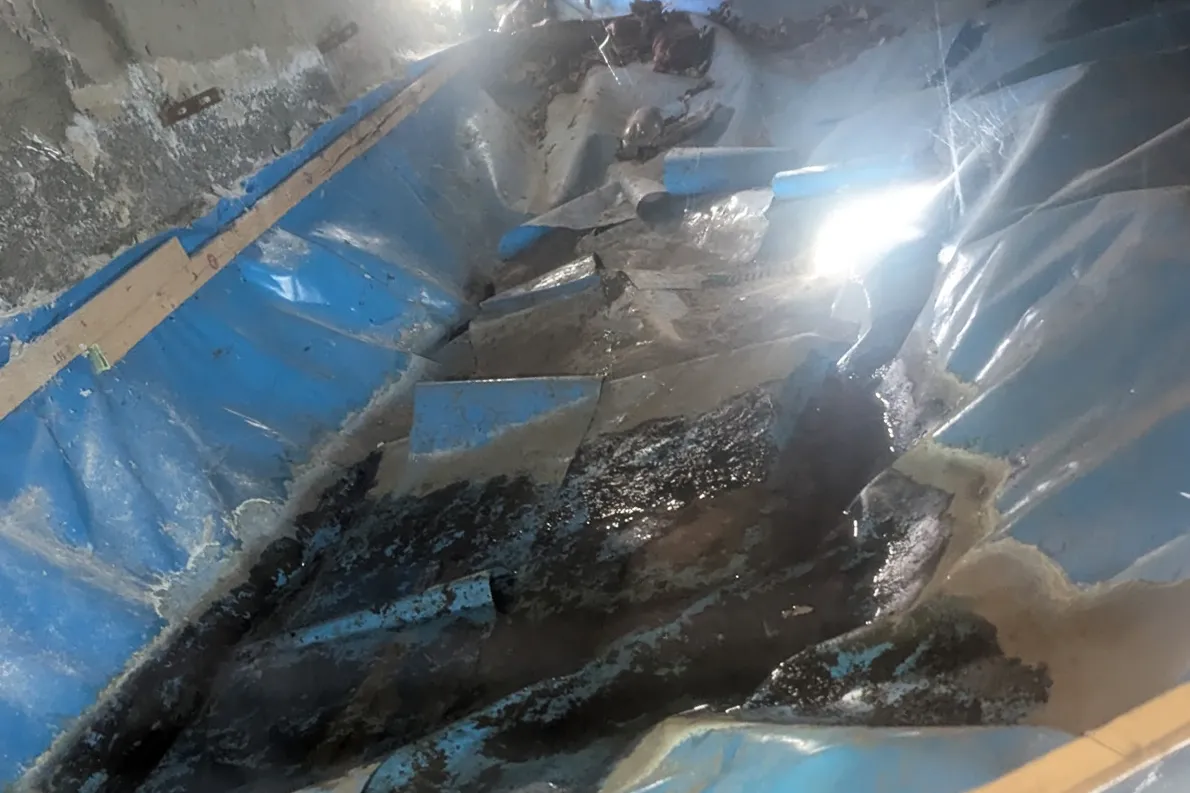
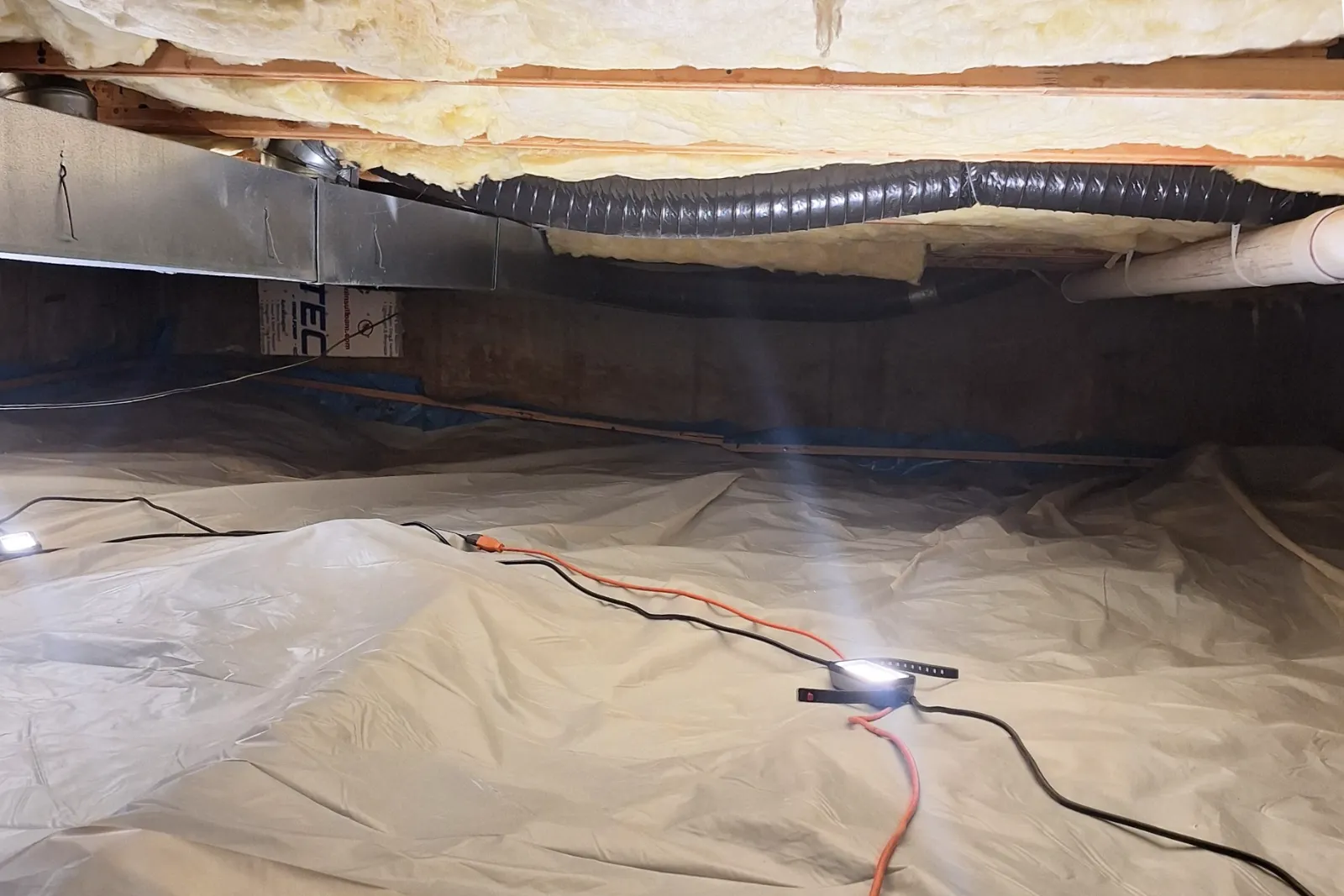
Basement Mold Removal
Extensive mold growth across entire basement after flooding. Family experienced fatigue and respiratory issues. Fully remediated in 3 days.
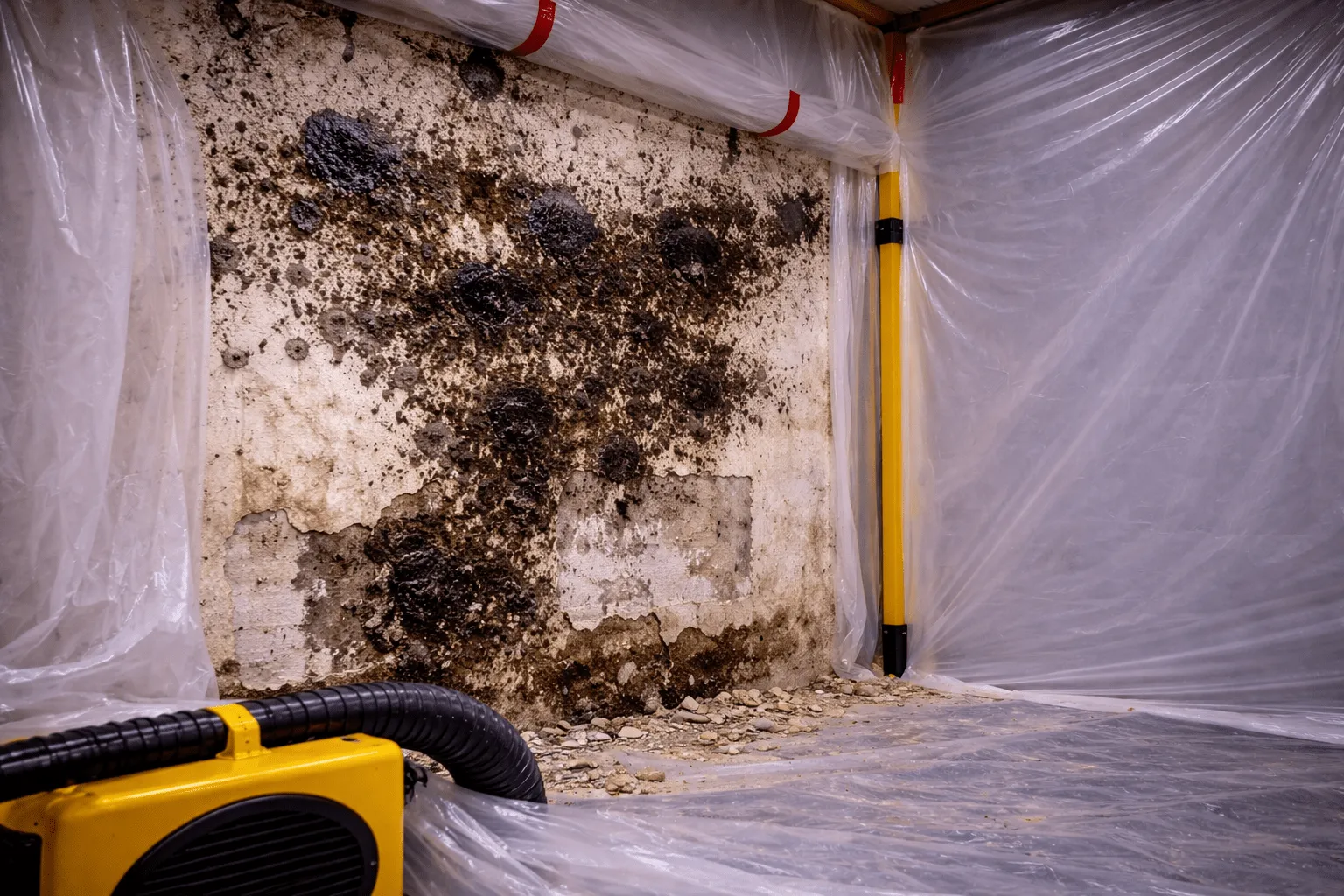
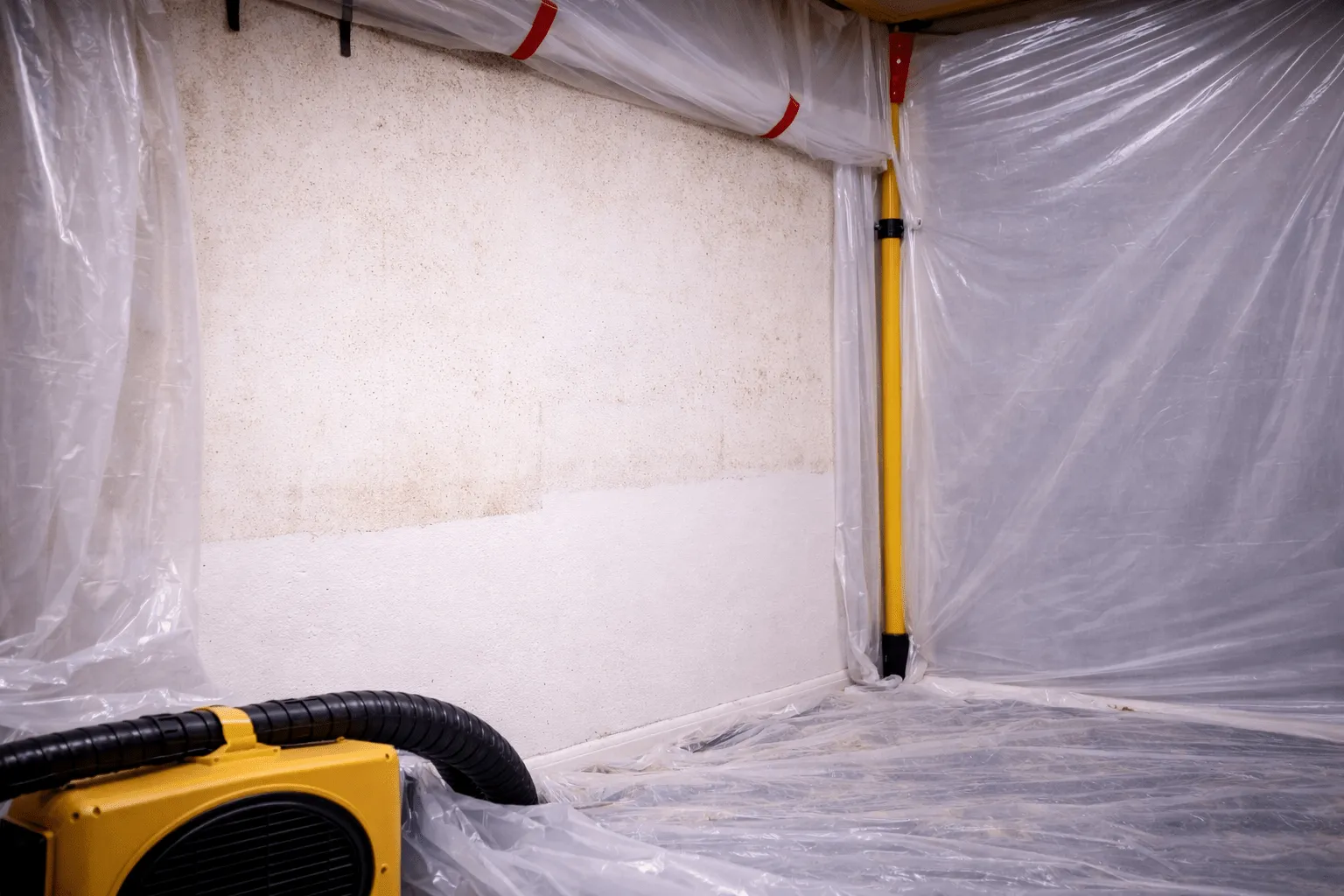
Wall Mold Remediation
Widespread mold spread across interior walls from hidden moisture. Safely removed and treated, restoring a clean, healthy surface.
Ready To See Results Like These?
We have hundreds more before/after photos. Call us today and we'll show you exactly what we can do for your home.
Our Services
Comprehensive Air Quality Solutions
From emergency mold removal to preventative HVAC maintenance, we provide complete indoor air quality services for Utah homes and businesses.
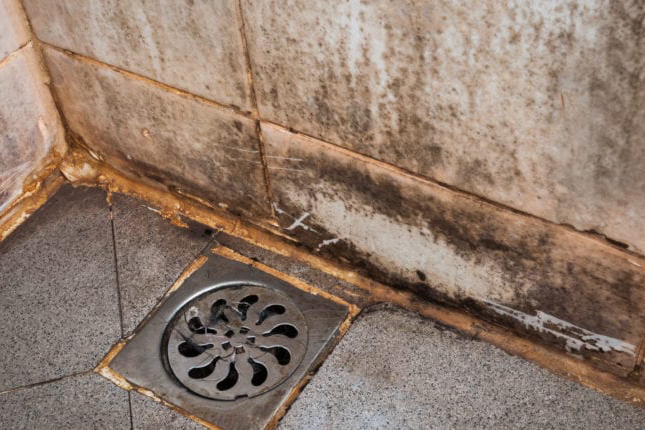
Mold Inspection & Remediation
Complete mold detection, testing, and safe removal. We identify the source, contain the affected area, remove all mold, and prevent future growth.
- Free Initial Inspection
- Lab-tested mold identification
- Complete containment & removal
- Air quality testing
- Prevention strategies
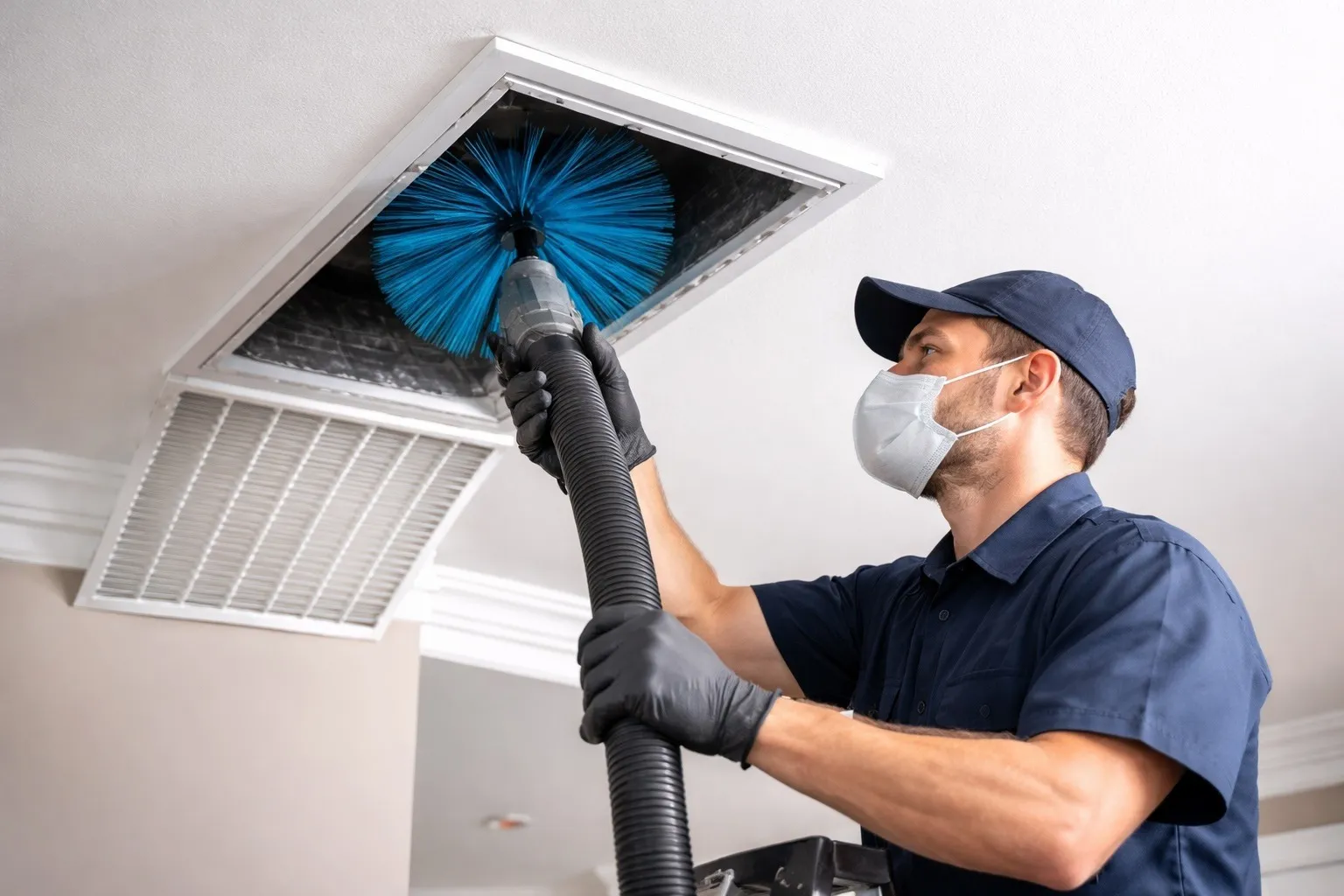
Air Duct Cleaning
Air duct cleaning removes dust, allergens, and contaminants that build up inside your HVAC ductwork, helping restore cleaner air throughout your home.
- Improves indoor air quality
- Removes dust and allergens from ductwork
- Helps reduce mold spores and contaminants
- Cleans hard-to-reach HVAC areas
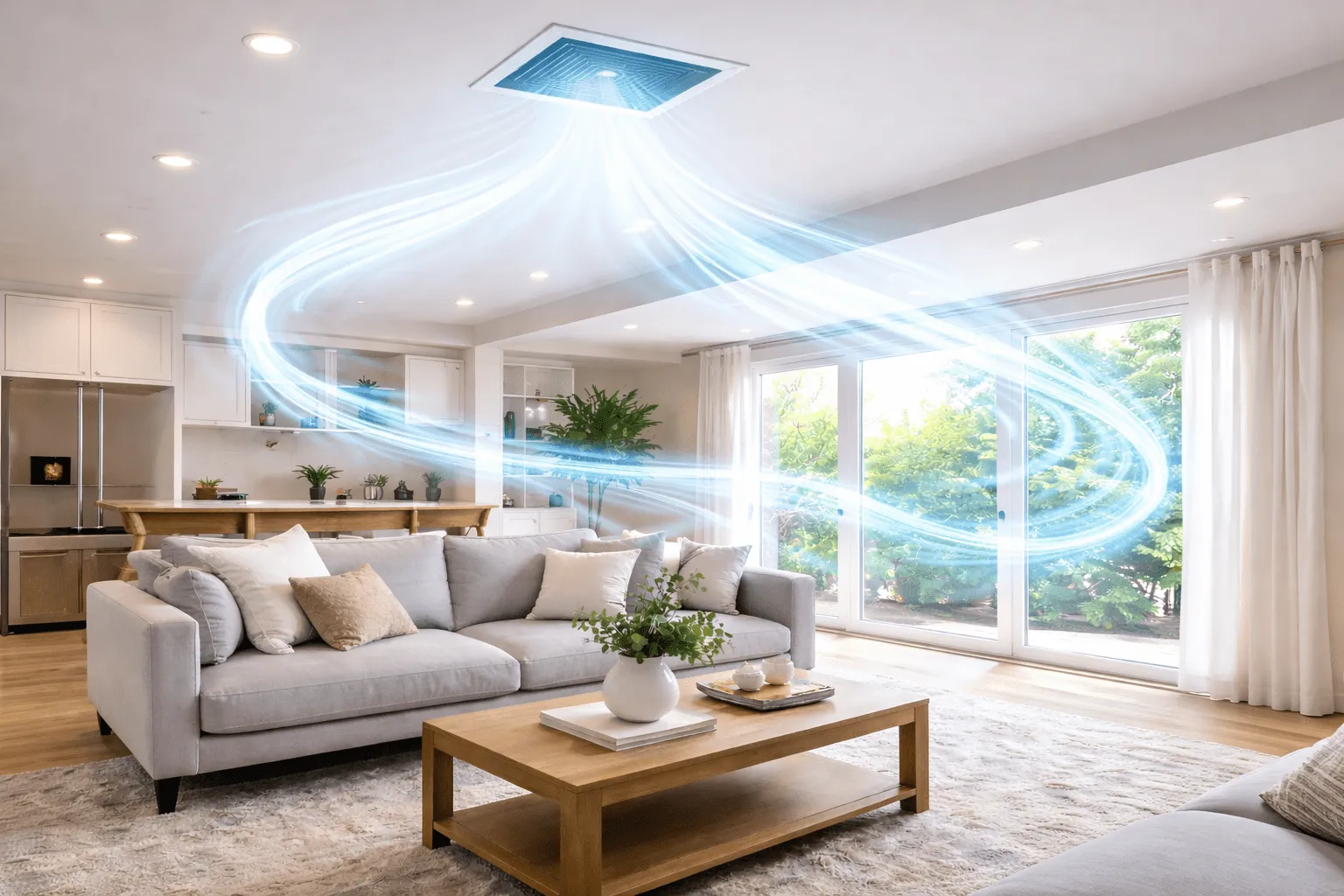
Whole-Home Air Purification
Whole-home air purification systems work with your HVAC system to clean the air as it circulates through your home, helping reduce dust, allergens, mold spores, bacteria, and odors.
- Improves indoor air quality
- Helps reduce allergens and irritants
- Reduces mold spores and bacteria
- Helps eliminate odors
Testimonials
What Our Customers Say
Don't just take our word for it. See why thousands of Utah homeowners trust Green Home for their mold remediation needs.

Local Expertise
Hantavirus Decontamination in South Jordan
The South Jordan Picture
Much of South Jordan was farmland within living memory, and the older west-side properties still have the outbuildings, barns, and sheds that came with it. Those structures, along with the open ground near the Jordan River corridor, are where rodent activity and hantavirus risk concentrate.
South Jordan's rodent situation is largely a function of how recently the area changed. Development has moved across land that was agricultural not long ago, and on the older west-side properties the original barns, equipment sheds, and detached garages often remain, seeing little regular traffic. Those are ideal for the deer mice that carry hantavirus, and the open ground along the Jordan River corridor supports the population that moves into them.
Because transmission comes from inhaling particles stirred up by disturbing dried droppings, sweeping out a shed closed for a year is precisely the wrong approach.
What Utah health officials say
Utah usually reports one or two hantavirus cases a year. Most U.S. cases are caused by Sin Nombre virus, which is spread by the deer mouse. People get sick by breathing in dust stirred up from rodent urine, droppings and nesting material. Utah's Department of Health and Human Services has issued its cleanup warnings in spring, when people open up closed spaces and start cleaning.
That is the moment to slow down. The CDC says to open doors and windows for 30 minutes and leave the area before cleaning, then spray droppings and nests with disinfectant or a fresh 1-to-9 bleach solution and let it soak. Do not sweep or vacuum. Those steps fit small messes. A garage, attic or outbuilding with heavy activity is where we come in.
Large lots, horses and stored hay
Some east-side South Jordan neighborhoods have large lots with detached garages, workshops and room for animals. The state's history of the city notes that what farming remains is mostly small plots of grain and hay for horses and a few cattle. Stored hay, feed bins and grain are a steady food source for mice, and a tack room or hay loft can hold years of droppings that no one has looked at closely.
In spaces like these, we wet down droppings and nests before moving anything, remove contaminated material in bags, and disinfect hard surfaces and stored items. Cardboard boxes that mice have used usually get thrown out. Plastic, metal and glass can be cleaned.
Attics, insulation and vehicles
Mice do not stay in sheds. In older homes, they reach attics and wall cavities through gaps around utility lines and vents, and their droppings mix into loose insulation. The CDC advises bagging contaminated insulation for removal rather than trying to clean it. Stored vehicles count too. Trailers, campers and cars parked through the winter can hold nests, and the CDC includes vehicles in its cleanup guidance.
Afterward, we show you where we found the heaviest activity and the likely entry points so you or a pest control company can seal them. Cleanup alone does not keep mice out.
FAQs
Frequently Asked Questions
Is hantavirus a real concern in a suburban area like South Jordan?
It is where the conditions are right, and parts of South Jordan have them. The older west-side properties retain barns, sheds, and outbuildings from the area's agricultural past, and the open ground along the Jordan River corridor supports deer mouse populations. Low-traffic structures on those properties are where droppings and nesting material accumulate undisturbed, which is the situation that creates risk.
Can I just clean out the shed myself with a mask?
We would strongly advise against it. Hantavirus exposure happens mainly through inhaling particles released when dried droppings and nesting material are disturbed, and an ordinary dust mask does not provide adequate protection. Sweeping or vacuuming makes it substantially worse by putting that material into the air. The work needs proper respiratory protection and a wet-method protocol rather than dry cleaning.
What affects the cost of hantavirus cleanup in South Jordan?
How much area is contaminated, what kind of material is involved, and access. A small corner of a garage is quick. A hay loft, tack room or attic with droppings mixed into insulation takes more time, protective gear and disposal. Stored boxes and belongings add sorting time. We look at the space first and explain the scope before we begin.
When do South Jordan homeowners usually find rodent droppings?
Most often in spring and early fall. Spring is when people open sheds, campers and garages that sat closed all winter, which is why Utah health officials issue their warning then. In fall, mice move toward warm, sheltered spaces, including attics, garages and wall cavities. If you open a closed space, air it out for 30 minutes before you start looking around.
Does homeowners insurance cover rodent cleanup in Utah?
Often not. Many policies exclude damage caused by rodents, insects or vermin, and they may treat infestation as a maintenance issue. Some policies may cover related damage, such as a fire caused by chewed wiring, depending on the wording. Read your policy or ask your agent. We can give you a written scope and photos for your records either way.
We keep horses on our South Jordan property. Is the hay barn a risk?
It can be. Hay and feed draw deer mice, and a barn or loft that is closed much of the year can collect droppings and nests. The CDC advises airing out the building before you go in, wetting droppings with disinfectant, and not sweeping. Use sealed metal or heavy plastic containers for feed. For heavy activity, or if you are unsure, call us.
Mice got into our camper parked beside the house all winter. How do we clean it?
Open all the doors and windows and leave for 30 minutes. Wear rubber or plastic gloves. Spray droppings, nests and urine with disinfectant or a 1-to-9 bleach mix and let it soak before wiping. Do not vacuum or sweep. Fabric cushions and mattresses with heavy contamination may need professional cleaning or disposal. If the infestation is widespread, we can handle it.
Is my home near the Jordan River corridor more likely to have mice?
Homes near open land usually see more rodent pressure. South Jordan's Jordan River corridor includes nearly 320 acres of preserved natural land, and fields and brush are good mouse habitat. That does not mean every nearby home has a problem. It means it is worth checking garages, sheds and attics each spring and keeping firewood and debris away from the house.
Get In Touch
Ready to Breathe Easier?
Schedule your free mold inspection today. Our team is standing by to help protect your home and family.
24/7 Emergency Line
Email Us
Service Area
South Jordan & Surrounding Areas
Business Hours
Mon-Sat 8am-7pm | 24/7 Emergency
Free Inspection Request
Fill out the form and our team will reach out to you promptly.
Service Areas
More From Green Home Air
Other services in South Jordan
Hantavirus Decontamination in other cities
- Hantavirus Decontamination in Lehi
- Hantavirus Decontamination in Provo
- Hantavirus Decontamination in Salt Lake City
- Hantavirus Decontamination in Sandy
- Hantavirus Decontamination in St. George
- Hantavirus Decontamination in West Jordan
- Hantavirus Decontamination in West Valley City
- Hantavirus Decontamination across Utah