
Hantavirus Cleanup & Rodent Contamination Services
Salt Lake City's Trusted Hantavirus Cleanup & Rodent Contamination Company
Improve your indoor air quality and HVAC efficiency. Our certified technicians remove dust, allergens, and contaminants from your air ducts using safe, proven cleaning methods.
INDOOR AIR QUALITY & RODENT CONTAMINATION
Hantavirus Risk Starts Where Rodents Leave Contamination Behind
Rodent urine, droppings, saliva, and nesting materials can carry harmful viruses. When disturbed, contaminated particles can become airborne and create a serious health risk inside the home.
Airborne Exposure Risk
Sweeping or vacuuming can send particles into the air
Rodent Droppings & Urine
Contaminated waste can release harmful particles when disturbed
Hidden Nesting Areas
Attics, crawlspaces, garages, and ducts may hold contamination
Respiratory Health Concern
Hantavirus can cause serious illness affecting the lungs
Address Rodent Contamination at the Source, Before It Circulates Through Your Home
Hantavirus is most often associated with exposure to infected rodents and their urine, droppings, saliva, or nesting materials. The greatest risk comes when contaminated materials are disturbed and particles become airborne.
Safe cleanup requires more than ordinary vacuuming or sweeping. In fact, dry sweeping or vacuuming rodent droppings can increase exposure risk by stirring contaminated particles into the air.
Green Home Air helps homeowners address indoor air quality concerns connected to rodent contamination, HVAC buildup, and hidden areas where contaminants may collect.
When rodent activity has been found in or near the home, it is important to identify the source, handle cleanup safely, and reduce the chance of contaminated air moving through the living space.
Important Safety Note:
-
Do not sweep or vacuum dry rodent droppings
-
Ventilate the area before cleanup
-
Use proper disinfecting procedures
-
Address the rodent source before treating the air
Why Act Now
Rodent Contamination Can Become an Airborne Health Concern.
Hantavirus risk is tied to exposure from infected rodents, especially their urine, droppings, saliva, and nesting materials. When contaminated areas are disturbed, particles can become airborne and create a serious respiratory health risk inside the home.
- Rodent Droppings & Urine
- Airborne Exposure Risk
- Hidden Nesting Materials
- Attics, Crawlspaces & Ducts
- Protects Indoor Air Quality
Real Results
See The Difference We Make
Every job tells a story. Behind each of these photos is a family that got their health and home back. Drag the slider to compare before and after.
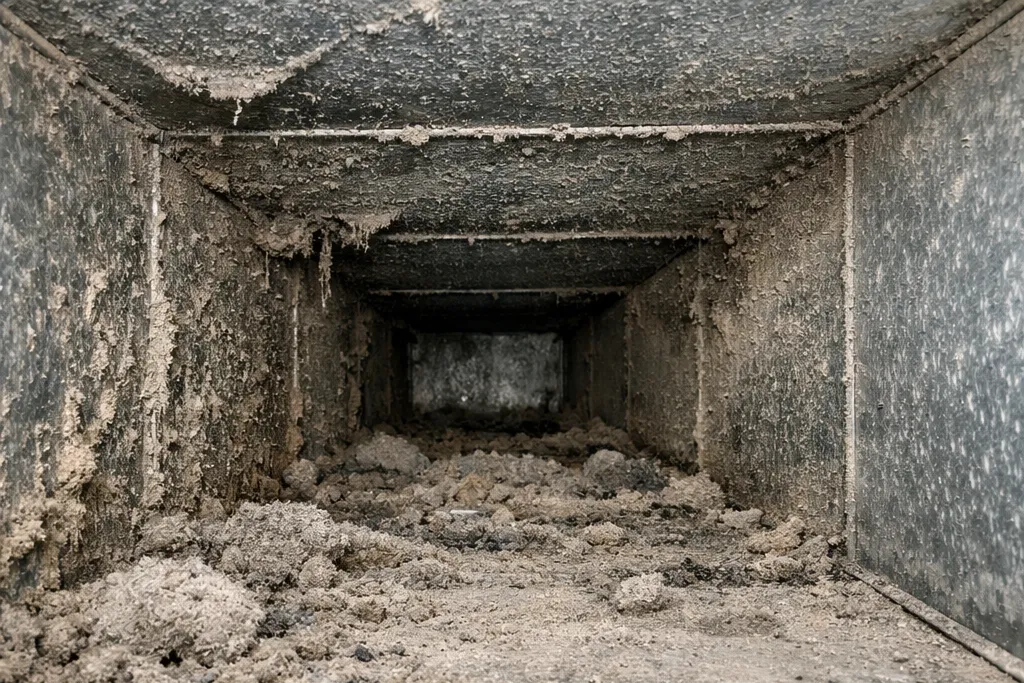
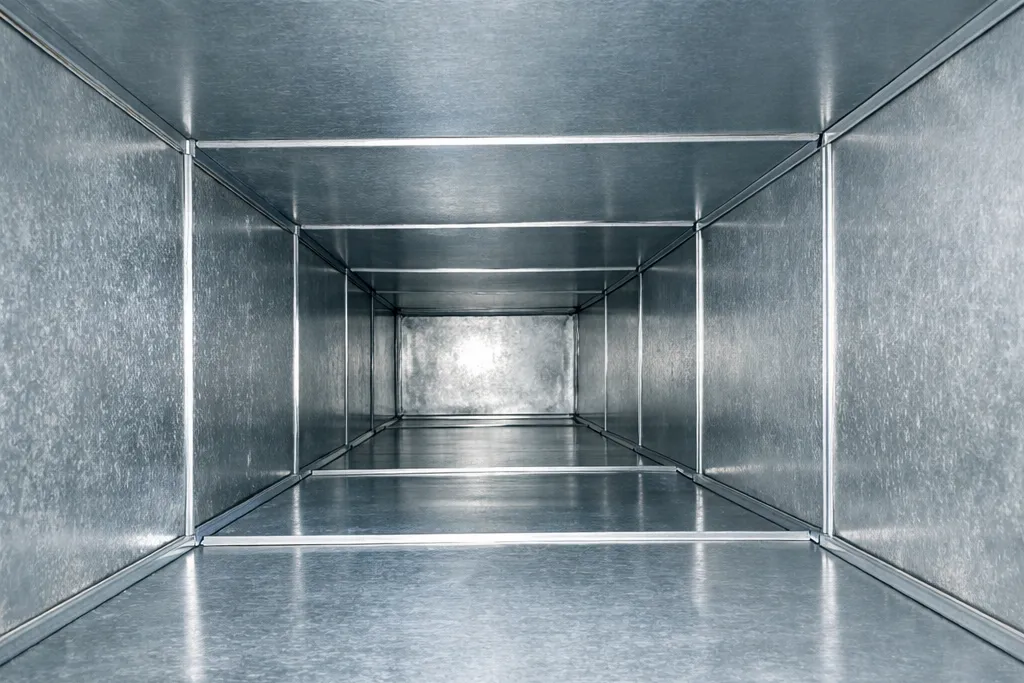
Air Duct Cleaning
Significant dust and debris were removed from the system, helping improve airflow, reduce allergens, and create a cleaner indoor environment.
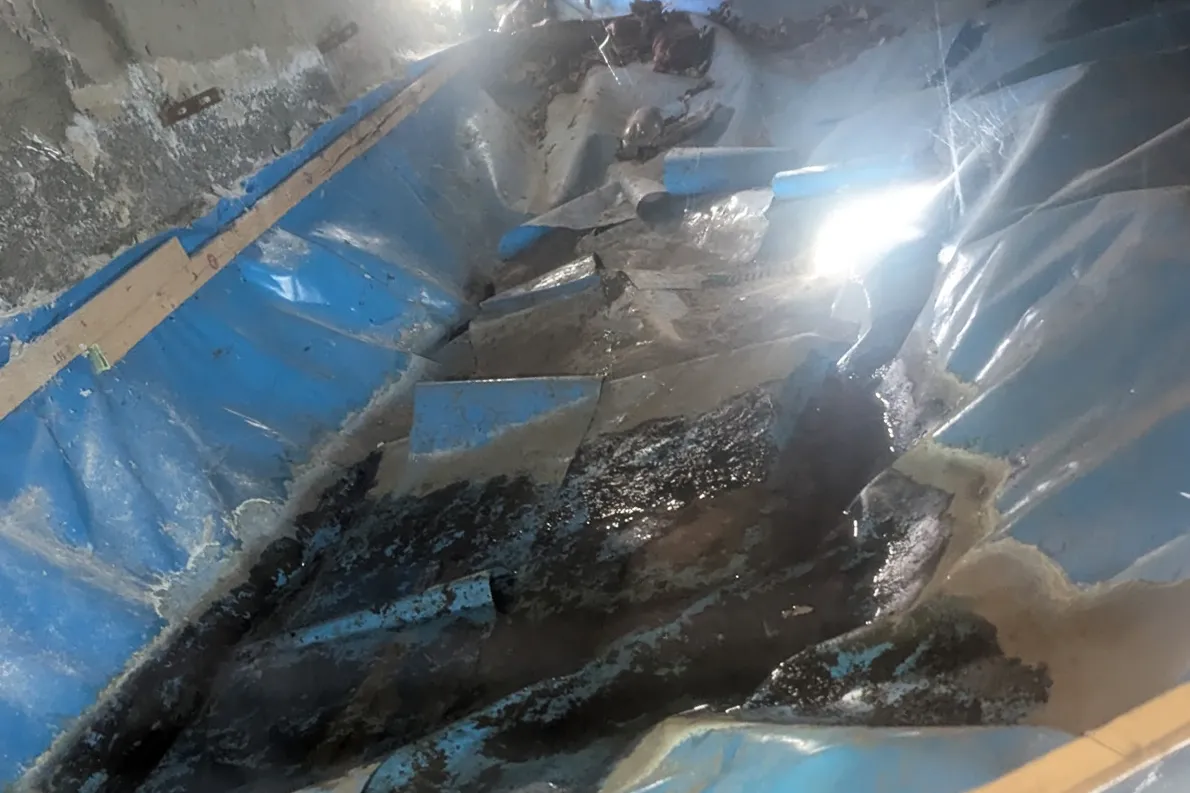
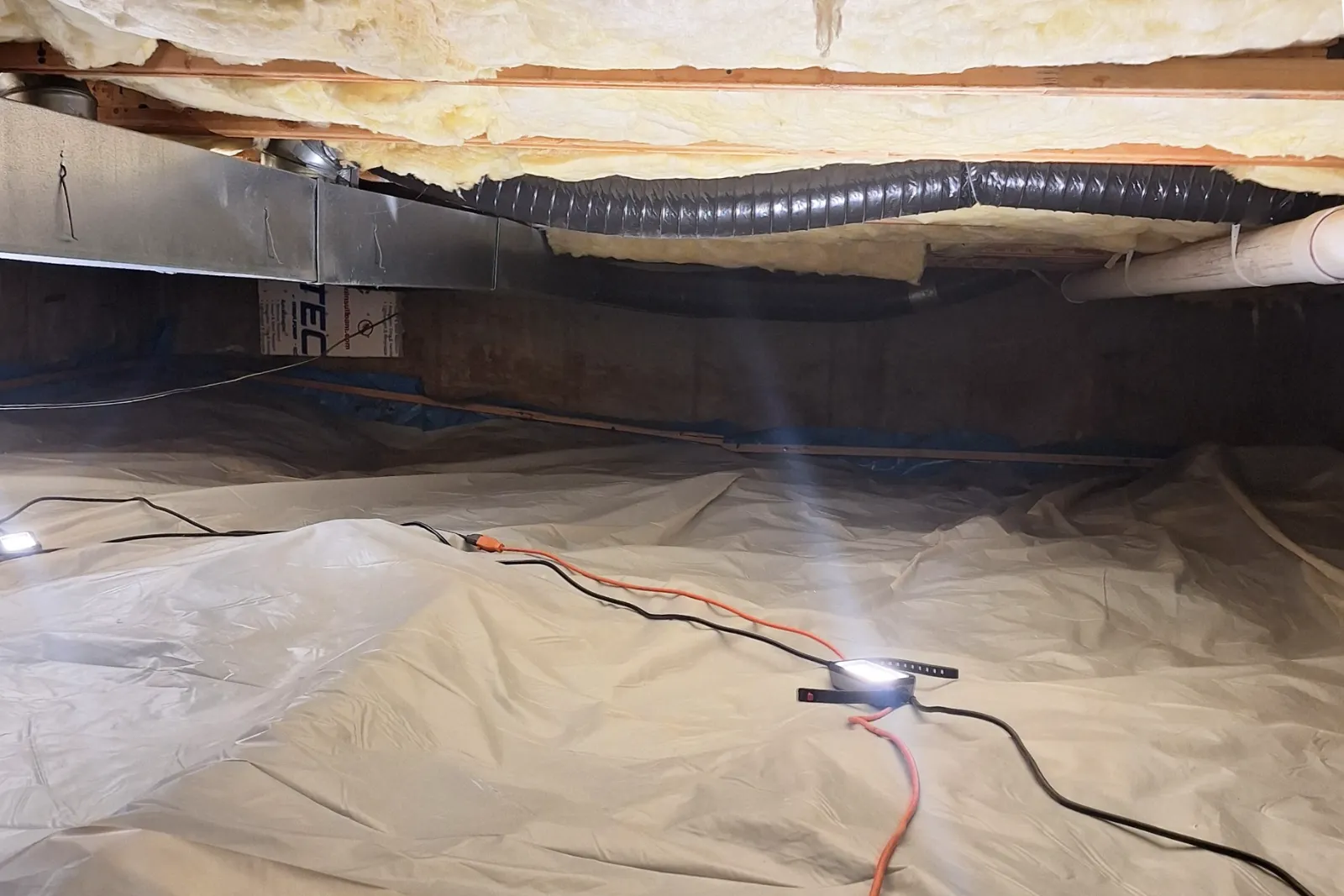
Basement Mold Removal
Extensive mold growth across entire basement after flooding. Family experienced fatigue and respiratory issues. Fully remediated in 3 days.
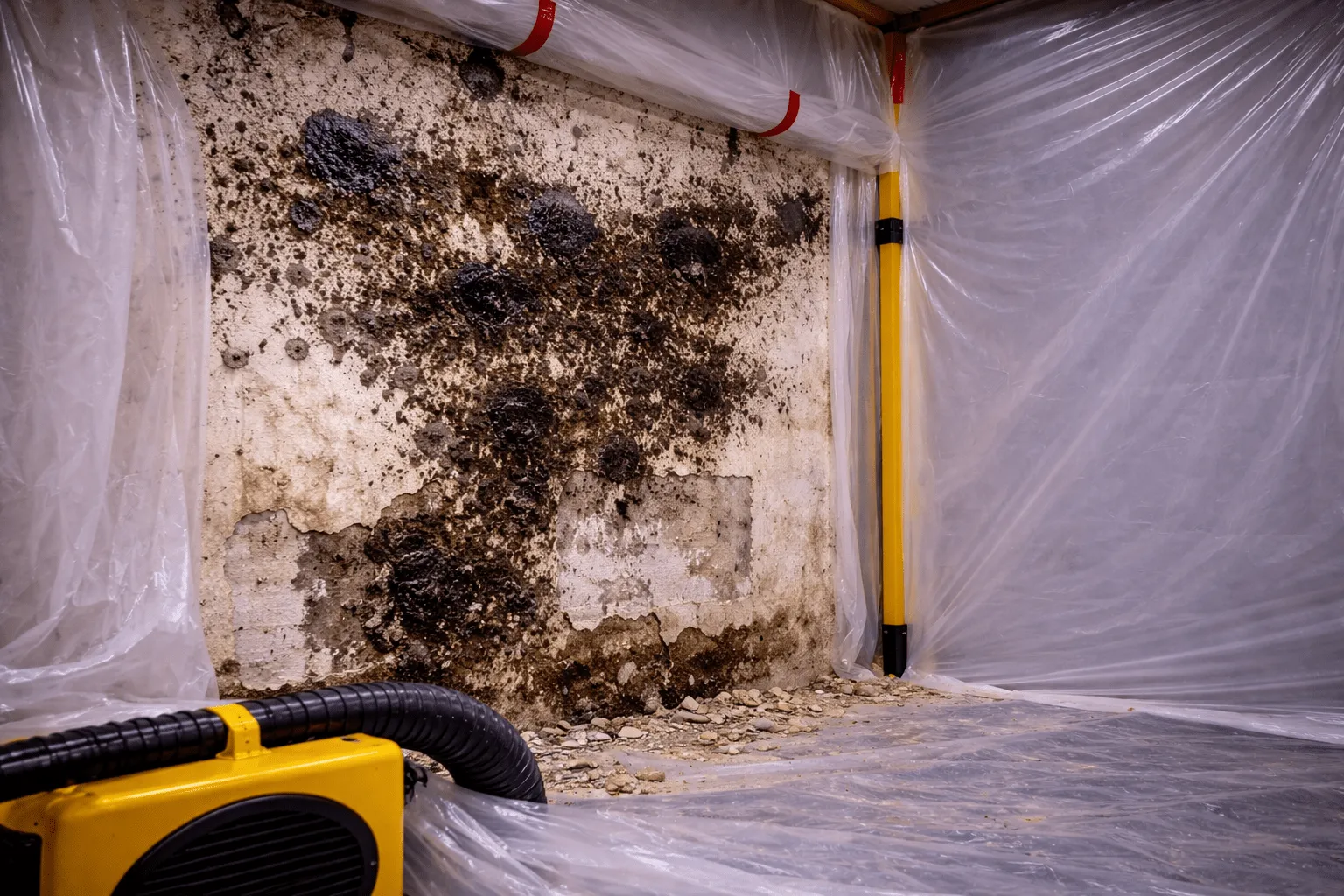
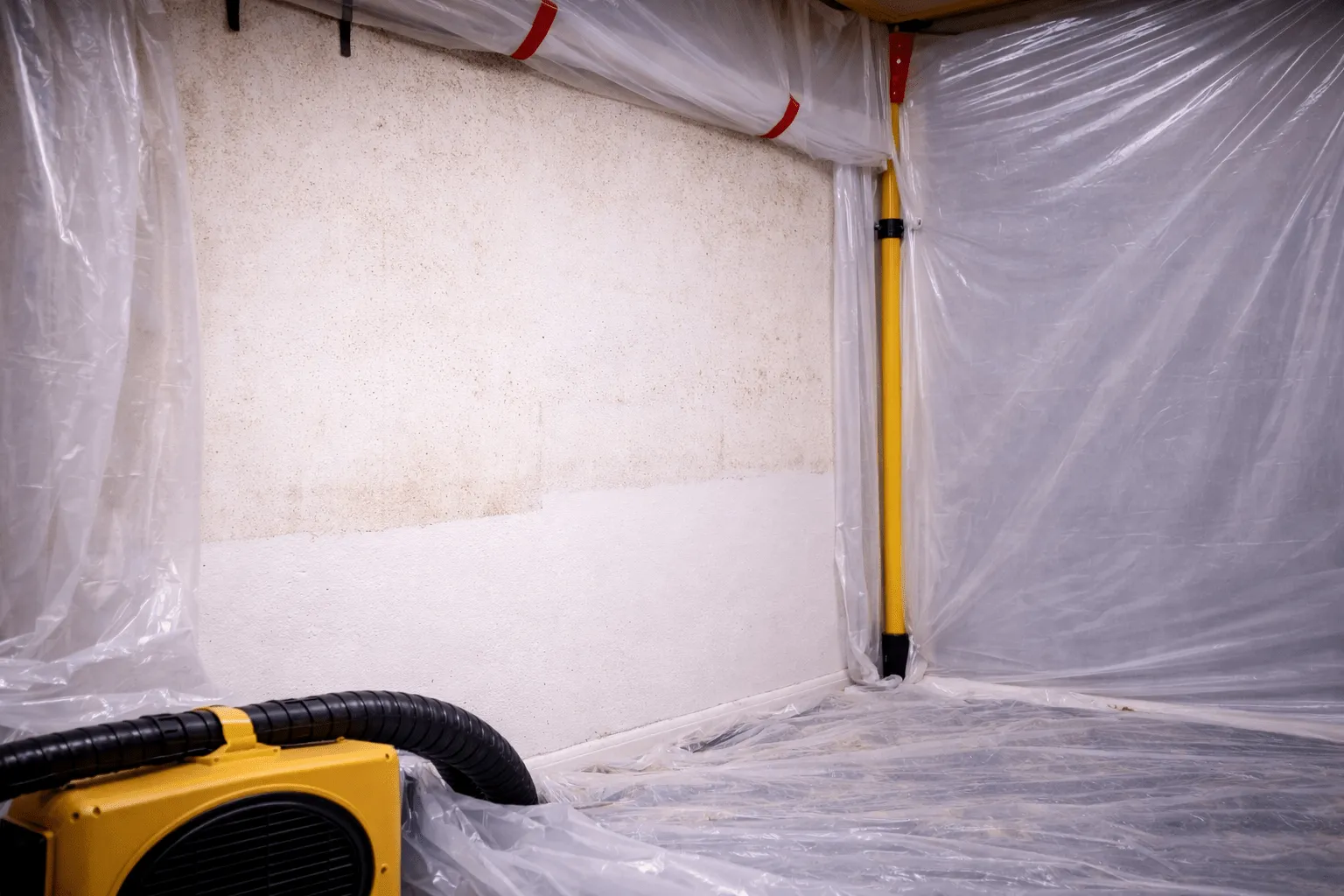
Wall Mold Remediation
Widespread mold spread across interior walls from hidden moisture. Safely removed and treated, restoring a clean, healthy surface.
Ready To See Results Like These?
We have hundreds more before/after photos. Call us today and we'll show you exactly what we can do for your home.
Our Services
Comprehensive Air Quality Solutions
From emergency mold removal to preventative HVAC maintenance, we provide complete indoor air quality services for Utah homes and businesses.
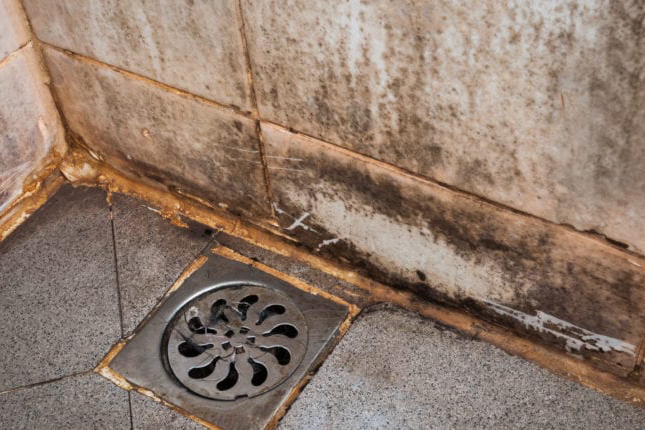
Mold Inspection & Remediation
Complete mold detection, testing, and safe removal. We identify the source, contain the affected area, remove all mold, and prevent future growth.
- Free Initial Inspection
- Lab-tested mold identification
- Complete containment & removal
- Air quality testing
- Prevention strategies
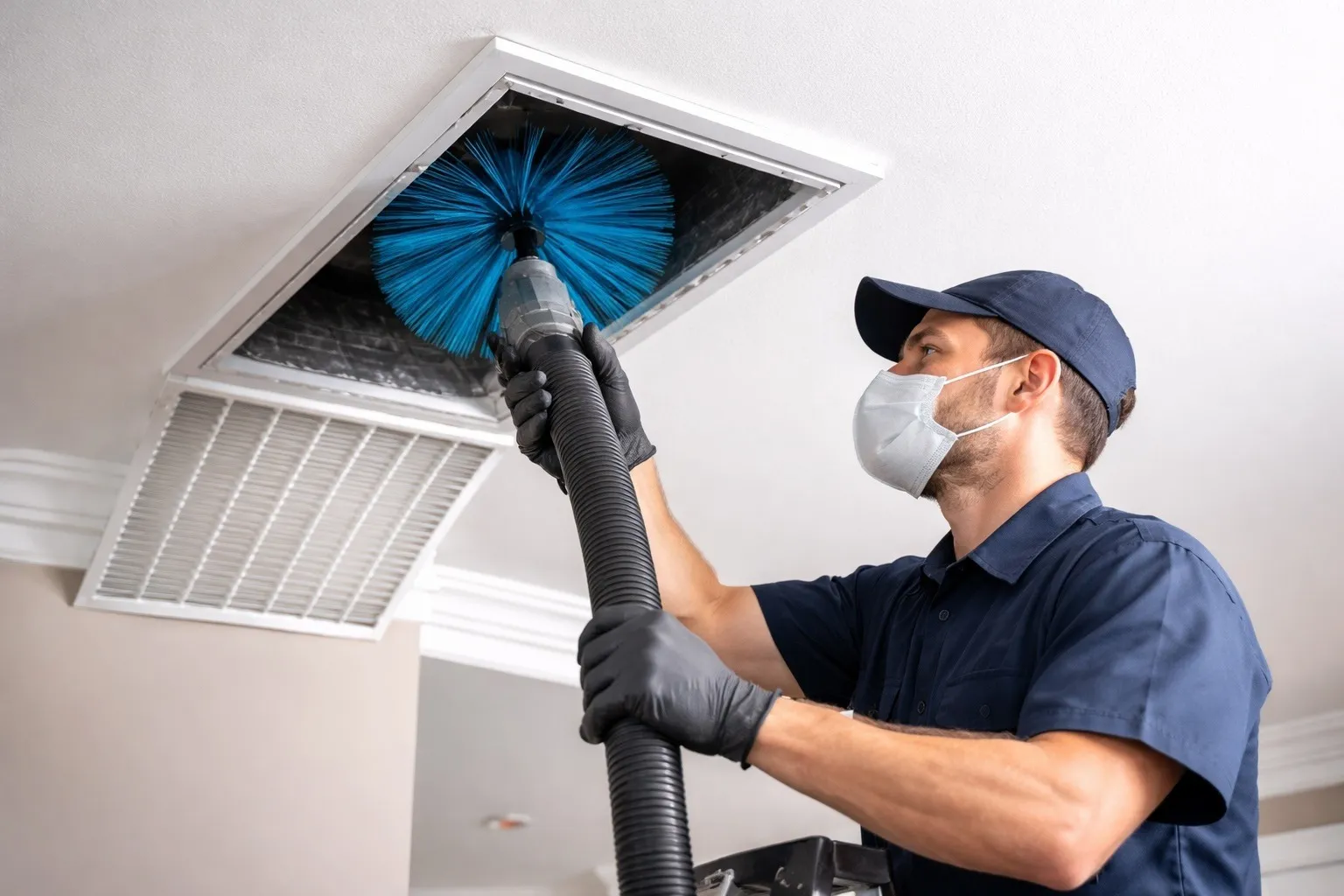
Air Duct Cleaning
Air duct cleaning removes dust, allergens, and contaminants that build up inside your HVAC ductwork, helping restore cleaner air throughout your home.
- Improves indoor air quality
- Removes dust and allergens from ductwork
- Helps reduce mold spores and contaminants
- Cleans hard-to-reach HVAC areas

Whole-Home Air Purification
Whole-home air purification systems work with your HVAC system to clean the air as it circulates through your home, helping reduce dust, allergens, mold spores, bacteria, and odors.
- Improves indoor air quality
- Helps reduce allergens and irritants
- Reduces mold spores and bacteria
- Helps eliminate odors
Testimonials
What Our Customers Say
Don't just take our word for it. See why thousands of Utah homeowners trust Green Home for their mold remediation needs.

Local Expertise
Hantavirus Decontamination in Salt Lake City
The Salt Lake City Picture
Salt Lake City feels urban, but its foothill neighborhoods, older detached garages, and unfinished basements give deer mice plenty of ways in, especially where homes back up to open space near the benches. When droppings turn up, Green Home Air Quality handles hantavirus decontamination and rodent cleanup safely, so you are not left stirring contaminated dust yourself.
In Salt Lake City the hantavirus concern is rarely the tidy interior of the house; it is the spaces people visit less often. Detached garages along the Avenues and older east-bench streets, mid-century basement storage rooms, and sheds near City Creek or the foothill trails are where deer mice settle once nights turn cold. Homeowners usually discover it while pulling out holiday boxes.
We ventilate the space, suit up, and avoid any dry sweeping that could aerosolize old droppings, saturating everything with an EPA-registered disinfectant before wiping and bagging it.
Hantavirus in Utah
Hantavirus is rare here, but it's serious. The Utah Department of Health and Human Services reports an average of one to two cases a year statewide. Utah logged 33 cases from 1987 through May 2015, and the state's case fatality rate over that period was 36 percent. Most U.S. cases come from Sin Nombre virus, which is carried by deer mice. The state notes that deer mice are widespread in Utah. People are infected mainly by breathing in virus from stirred-up urine, droppings or nesting material.
Cases peak in spring and summer. One known risk factor is disturbing a closed, rodent-infested building. In Salt Lake City, that often means opening up a canyon cabin in Emigration or Parleys Canyon after winter, clearing out a garden shed, or cleaning a crawlspace no one has been in for years.
The CDC cleanup steps we follow
We work from CDC guidance, with more protection for heavy infestations. For a light problem you plan to handle yourself, the basics are:
- Mix fresh disinfectant: 1.5 cups of household bleach to 1 gallon of water, or a product labeled as a disinfectant.
- Soak droppings and nests and let the solution sit for 5 minutes, or as long as the label says.
- Pick up the material with paper towels, then double-bag it and put it in a covered trash can.
- Throw away contaminated cardboard. Plastic, glass and metal bins can be disinfected.
- Bag any insulation with urine or droppings on it.
When to call us
Nests in attic insulation, droppings spread across a crawlspace, or a cabin that mice clearly took over for the winter are past the point of a spray bottle and paper towels. We remove and bag contaminated materials, disinfect surfaces, and show you where the mice are getting in so the problem doesn't come back next fall. If it's a small, contained mess, we'll tell you so and walk you through doing it safely.
Sheds and detached garages get the same care. Following CDC guidance for outbuildings, we air the space out first, mop hard floors or spray dirt floors with disinfectant, and move stored boxes outside to handle them in a sunny, well-ventilated spot.
FAQs
Frequently Asked Questions
My basement storage has mouse droppings. Is it safe to vacuum them up?
No. Vacuuming or sweeping dry droppings in an enclosed Salt Lake basement can release hantavirus particles into air you keep breathing. The safer method is to mist the area with disinfectant, let it soak, then wipe and bag the material. Given how sealed basement storage rooms are, professional cleanup is the safer call.
Why do mice show up in my Salt Lake foothill home in the fall?
Homes near the benches and open space sit right against deer-mouse habitat, and as temperatures drop these mice look for warm shelter, moving into garages, basements, and wall voids. You may hear scratching, find droppings near stored items, or notice gnawed packaging. Fall is the time to inspect these areas and clean up promptly.
What affects the cost of hantavirus cleanup in a Salt Lake City home?
How far the droppings have spread and what they're on. A few droppings on a concrete garage floor is a small job. Mice nesting in attic insulation, a crawlspace with droppings across the vapor barrier, or a canyon cabin with contaminated furniture and mattresses takes much longer. Removing and replacing insulation, bagging cardboard storage, and sealing entry points all add time.
When is hantavirus risk highest around Salt Lake City?
Utah cases peak in spring and summer, though they can happen any time of year. That lines up with when people here open cabins in the canyons, clear out sheds and garages after winter, and start yard projects. A closed building with mice in it is a known risk factor. Air it out for at least 30 minutes before you go in, and don't sweep.
Does homeowners insurance in Utah cover rodent cleanup?
Often not. Many policies exclude damage from rodents or vermin as a maintenance issue, but wording varies, so check yours or ask your agent. Renters in Salt Lake County can report pest infestations to the Salt Lake County Health Department through its online housing complaint form. We can give a written scope and photos for property owners or managers who need documentation.
Is hantavirus actually found in Utah?
Yes. The Utah Department of Health and Human Services reports an average of one to two cases a year, and the state recorded 33 cases from 1987 to 2015 with a 36 percent case fatality rate. The deer mouse carries the virus that causes most U.S. cases, and the state notes that deer mice are widespread in Utah.
Our family cabin up Emigration Canyon was closed all winter and has mouse droppings. Where do we start?
Open the doors and windows and leave for 30 minutes before cleaning, as the CDC advises. Then wear rubber or plastic gloves, soak droppings with disinfectant for 5 minutes, and wipe them up with paper towels. Take stored boxes outside, stand upwind, and throw out contaminated cardboard. If there are nests in the bedding, insulation or furniture, call us instead of doing it yourself.
Can you remove mouse-contaminated insulation from my Salt Lake City attic or crawlspace?
Yes. The CDC advises bagging insulation that's contaminated with rodent urine or droppings, since you can't clean it in place. We wet the material, remove it in sealed bags, disinfect the surfaces underneath, and point out entry gaps. The insulation should go back in only after the rodent problem is fixed, or the mice will move right back in.
Get In Touch
Ready to Breathe Easier?
Schedule your free mold inspection today. Our team is standing by to help protect your home and family.
24/7 Emergency Line
Email Us
Service Area
Salt Lake City & Surrounding Areas
Business Hours
Mon-Sat 8am-7pm | 24/7 Emergency
Free Inspection Request
Fill out the form and our team will reach out to you promptly.
Service Areas
More From Green Home Air
Other services in Salt Lake City
Hantavirus Decontamination in other cities
- Hantavirus Decontamination in Lehi
- Hantavirus Decontamination in Provo
- Hantavirus Decontamination in Sandy
- Hantavirus Decontamination in South Jordan
- Hantavirus Decontamination in St. George
- Hantavirus Decontamination in West Jordan
- Hantavirus Decontamination in West Valley City
- Hantavirus Decontamination across Utah