
Hantavirus Cleanup & Rodent Contamination Services
Utah's Trusted Hantavirus Cleanup & Rodent Contamination Company
Improve your indoor air quality and HVAC efficiency. Our certified technicians remove dust, allergens, and contaminants from your air ducts using safe, proven cleaning methods.
INDOOR AIR QUALITY & RODENT CONTAMINATION
Hantavirus Risk Starts Where Rodents Leave Contamination Behind
Rodent urine, droppings, saliva, and nesting materials can carry harmful viruses. When disturbed, contaminated particles can become airborne and create a serious health risk inside the home.
Airborne Exposure Risk
Sweeping or vacuuming can send particles into the air
Rodent Droppings & Urine
Contaminated waste can release harmful particles when disturbed
Hidden Nesting Areas
Attics, crawlspaces, garages, and ducts may hold contamination
Respiratory Health Concern
Hantavirus can cause serious illness affecting the lungs
Address Rodent Contamination at the Source, Before It Circulates Through Your Home
Hantavirus is most often associated with exposure to infected rodents and their urine, droppings, saliva, or nesting materials. The greatest risk comes when contaminated materials are disturbed and particles become airborne.
Safe cleanup requires more than ordinary vacuuming or sweeping. In fact, dry sweeping or vacuuming rodent droppings can increase exposure risk by stirring contaminated particles into the air.
Green Home Air helps homeowners address indoor air quality concerns connected to rodent contamination, HVAC buildup, and hidden areas where contaminants may collect.
When rodent activity has been found in or near the home, it is important to identify the source, handle cleanup safely, and reduce the chance of contaminated air moving through the living space.
Important Safety Note:
-
Do not sweep or vacuum dry rodent droppings
-
Ventilate the area before cleanup
-
Use proper disinfecting procedures
-
Address the rodent source before treating the air
Why Act Now
Rodent Contamination Can Become an Airborne Health Concern.
Hantavirus risk is tied to exposure from infected rodents, especially their urine, droppings, saliva, and nesting materials. When contaminated areas are disturbed, particles can become airborne and create a serious respiratory health risk inside the home.
- Rodent Droppings & Urine
- Airborne Exposure Risk
- Hidden Nesting Materials
- Attics, Crawlspaces & Ducts
- Protects Indoor Air Quality
Real Results
See The Difference We Make
Every job tells a story. Behind each of these photos is a family that got their health and home back. Drag the slider to compare before and after.
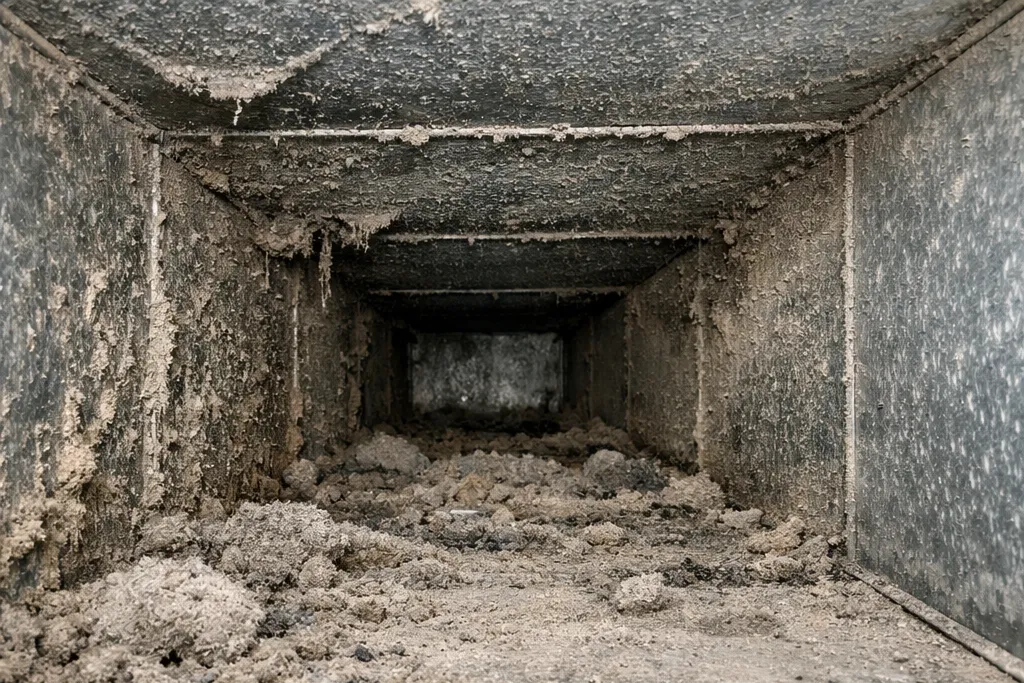
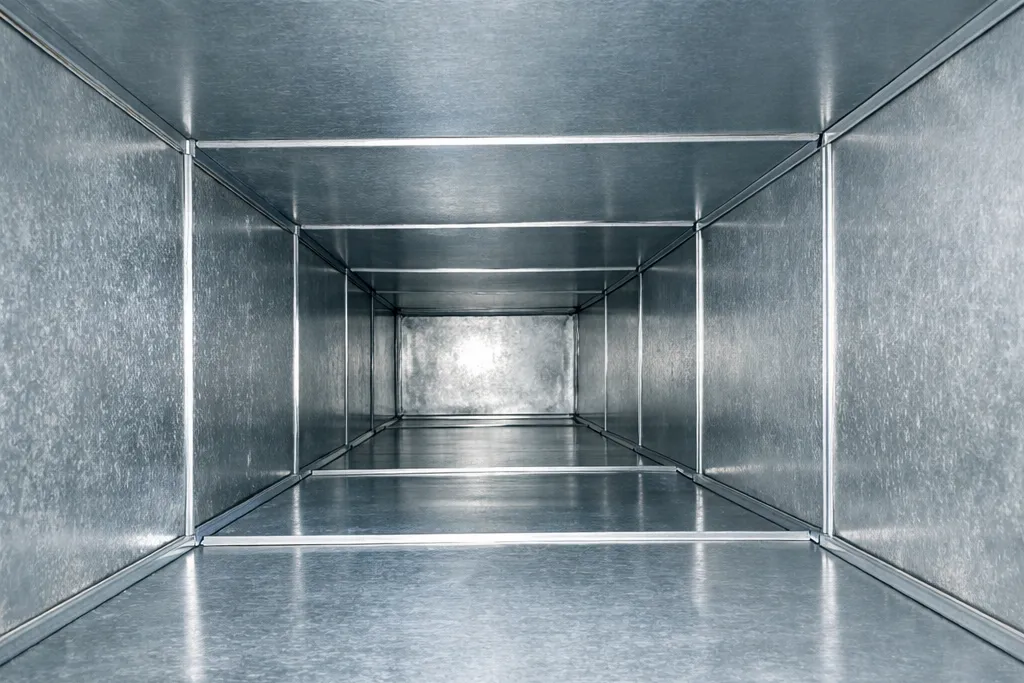
Air Duct Cleaning
Significant dust and debris were removed from the system, helping improve airflow, reduce allergens, and create a cleaner indoor environment.
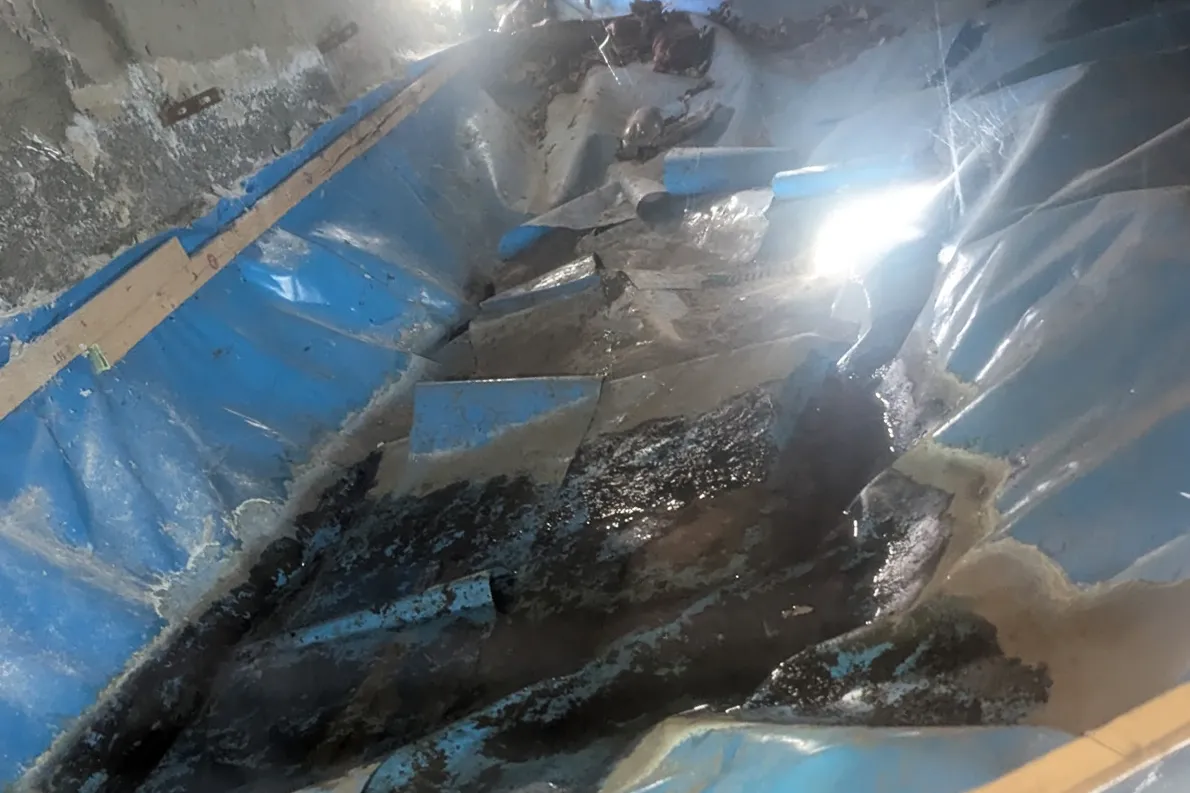
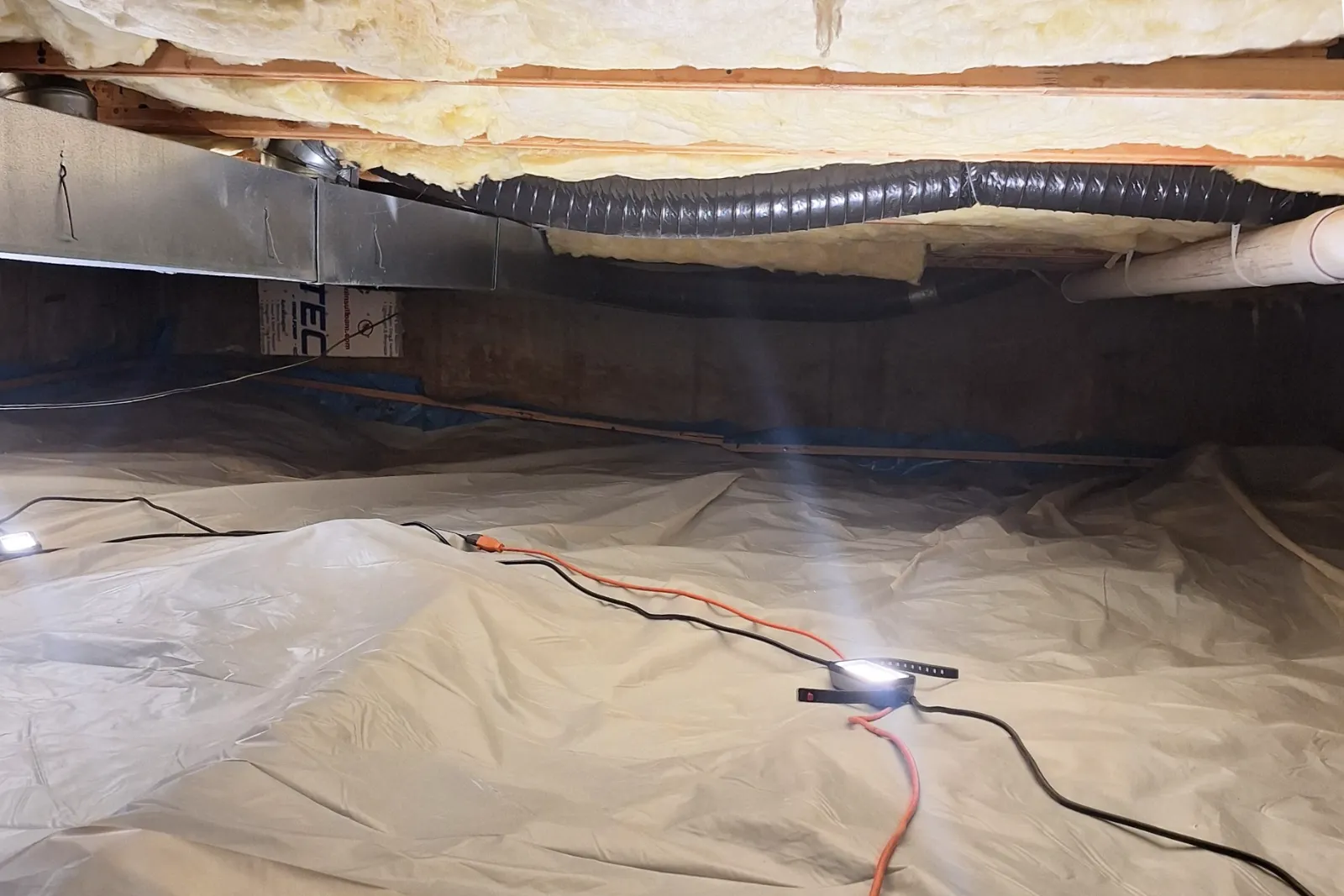
Basement Mold Removal
Extensive mold growth across entire basement after flooding. Family experienced fatigue and respiratory issues. Fully remediated in 3 days.
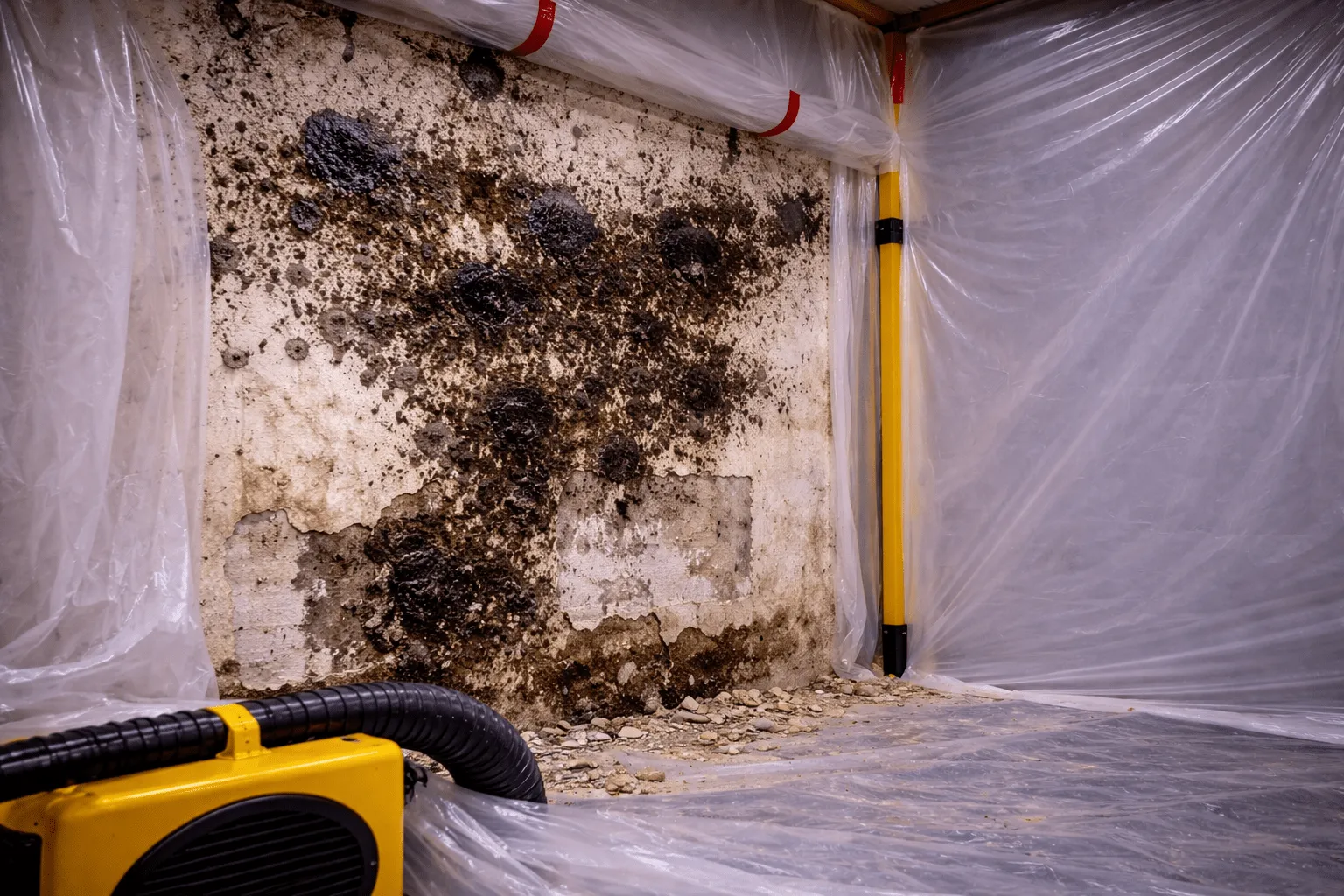
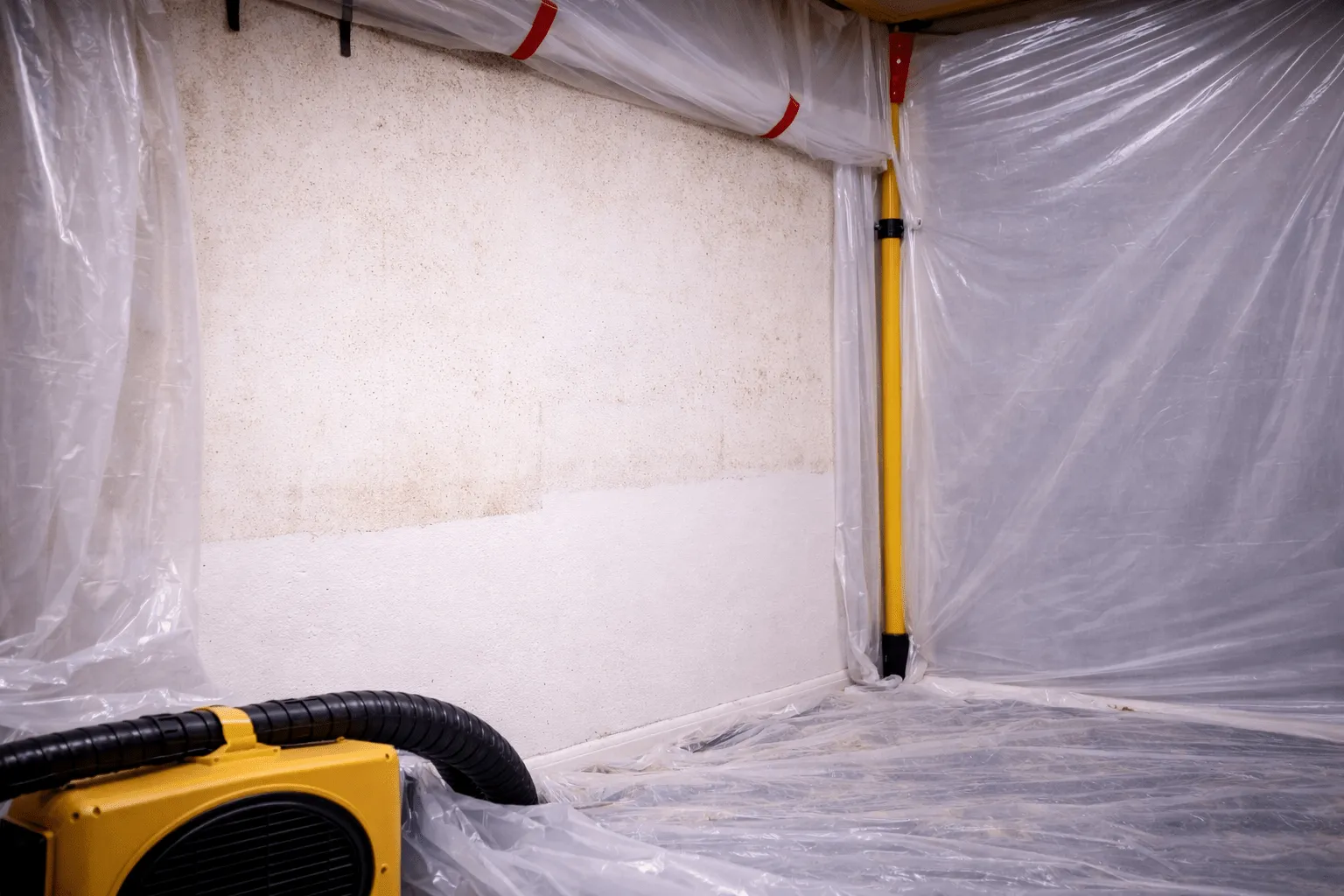
Wall Mold Remediation
Widespread mold spread across interior walls from hidden moisture. Safely removed and treated, restoring a clean, healthy surface.
Ready To See Results Like These?
We have hundreds more before/after photos. Call us today and we'll show you exactly what we can do for your home.
Our Services
Comprehensive Air Quality Solutions
From emergency mold removal to preventative HVAC maintenance, we provide complete indoor air quality services for Utah homes and businesses.
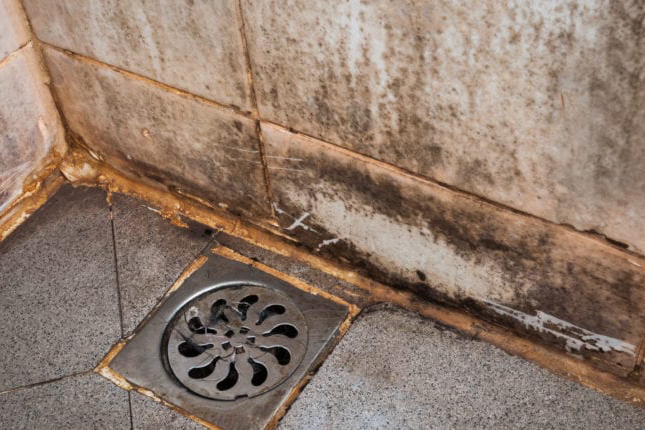
Mold Inspection & Remediation
Complete mold detection, testing, and safe removal. We identify the source, contain the affected area, remove all mold, and prevent future growth.
- Free Initial Inspection
- Lab-tested mold identification
- Complete containment & removal
- Air quality testing
- Prevention strategies
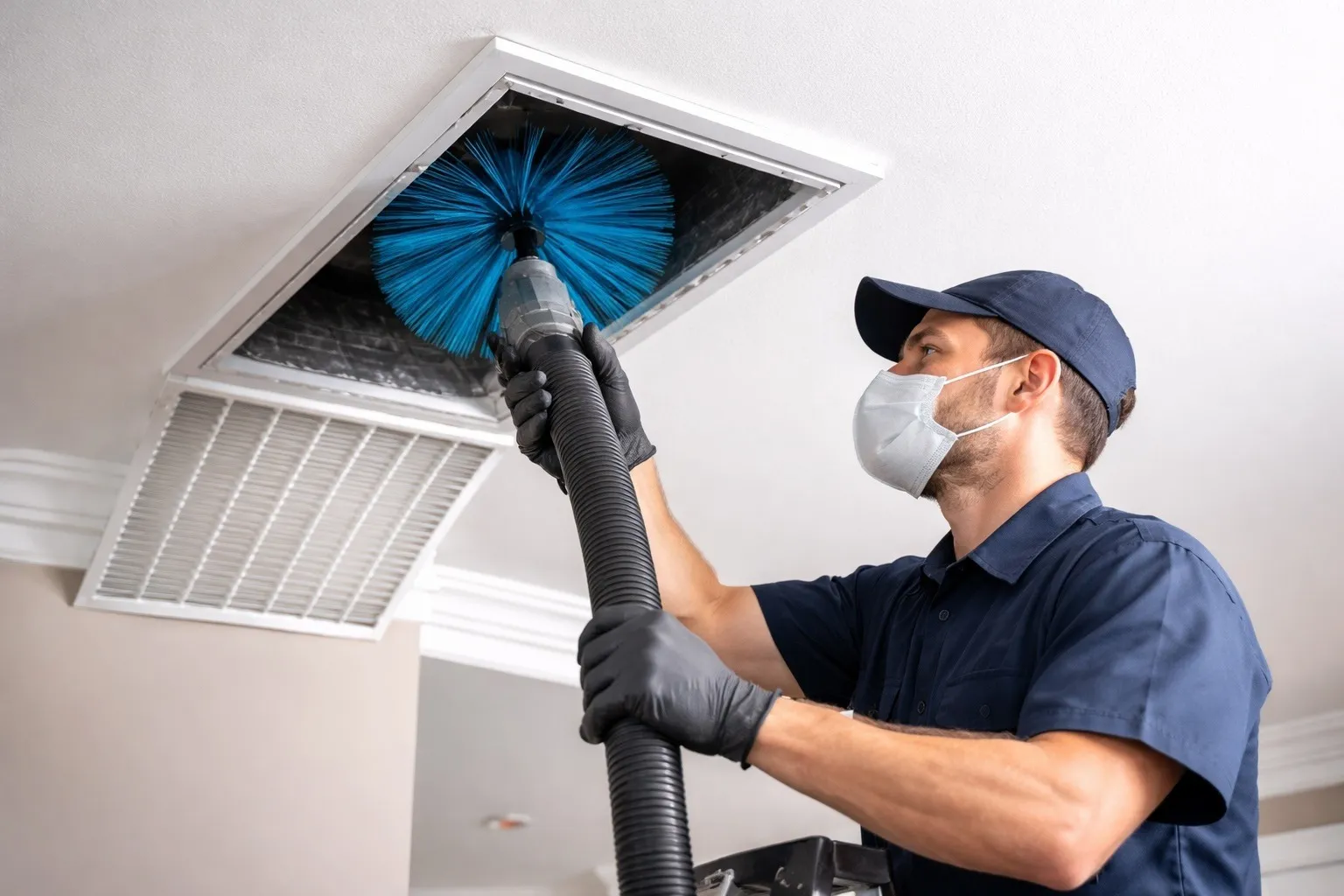
Air Duct Cleaning
Air duct cleaning removes dust, allergens, and contaminants that build up inside your HVAC ductwork, helping restore cleaner air throughout your home.
- Improves indoor air quality
- Removes dust and allergens from ductwork
- Helps reduce mold spores and contaminants
- Cleans hard-to-reach HVAC areas

Whole-Home Air Purification
Whole-home air purification systems work with your HVAC system to clean the air as it circulates through your home, helping reduce dust, allergens, mold spores, bacteria, and odors.
- Improves indoor air quality
- Helps reduce allergens and irritants
- Reduces mold spores and bacteria
- Helps eliminate odors
Testimonials
What Our Customers Say
Don't just take our word for it. See why thousands of Utah homeowners trust Green Home for their mold remediation needs.

Local Expertise
Hantavirus Decontamination in Utah
The Utah Picture
Across Utah, deer mice are a fact of rural life, nesting in cabins, sheds, barns, and grain stores from the West Desert to the Wasatch Back. Because these mice can carry hantavirus in their droppings and urine, Green Home Air Quality provides careful hantavirus decontamination and rodent-dropping cleanup for properties statewide. The risk is real but manageable when the mess is handled correctly.
Utah spans high-desert ranches to alpine cabins, and deer mice thrive in nearly all of it. Trouble usually surfaces in spring, when an owner opens a seasonal cabin or a shed that sat closed all winter and finds droppings across shelves, mattresses, and floors. That dry material is what makes hantavirus a concern, because sweeping or vacuuming pushes contaminated particles into the air.
Our statewide crews follow CDC-aligned protocols instead: ventilate first, wear proper respiratory protection, mist everything with an EPA-registered disinfectant, then wipe and bag rather than stir.
What Utah's hantavirus numbers show
Hantavirus is rare in Utah. The Utah Department of Health and Human Services says the state usually sees one or two reported cases a year. The most recent reported case was in 2025, and that patient survived. Rare doesn't mean harmless. The state's own disease plan counted 33 cases from 1987 to 2015, and about 36% were fatal.
The deer mouse is the main carrier in Utah. State health data estimates that 5% to 20% of deer mice carry antibodies to the virus. You can't tell which ones by looking, so we treat every nest and dropping pile as if it could be infected.
Where Utah fits in the bigger picture
National tracking of hantavirus began in 1993, after an outbreak of severe lung illness in the Four Corners region, where Utah meets Arizona, Colorado, and New Mexico. San Juan County is Utah's corner of that region. The CDC counted 890 U.S. cases from 1993 through 2023, and 94% were west of the Mississippi River.
The strain behind most U.S. cases is Sin Nombre virus, carried by deer mice. Utah has also seen other types. In 2017 the state confirmed its first case of Seoul hantavirus, tied to a former rat-breeding facility in Utah County.
Reporting, testing, and where we fit
Hantavirus infection is a reportable disease under Utah's communicable disease rule. Doctors who suspect it work with Utah DHHS, and specimens go to the CDC for testing. The Utah Public Health Laboratory doesn't run the test. Results can take one to three weeks.
That medical side belongs to your doctor and the health department. Our part is the building. We remove droppings, nests, and soiled insulation, disinfect the area, and bag the waste so no one else has to handle it. If you or a family member feels sick after rodent exposure, call a doctor first and mention the contact.
For heavier infestations, the CDC lists disposable coveralls, rubber boots or shoe covers, gloves, goggles, and a respirator with a HEPA filter for cleanup workers. It also says anyone hired for this work should know their local health department. In Utah, that means one of 13 local health departments, which work with the state when a case is reported. That is the standard a professional cleanup should meet, whether the building is in Cache Valley or Washington County.
FAQs
Frequently Asked Questions
Why shouldn't I just sweep out my Utah cabin or shed myself?
Dry sweeping and vacuuming send old droppings and urine into the air as fine particles, which is the main way hantavirus reaches people. Because many Utah cabins and barns sit closed for months, buildup can be heavy. Wetting everything with disinfectant first, then wiping and bagging, keeps particles out of the air.
When is rodent activity worst on rural Utah properties?
Deer mice move indoors as temperatures drop in fall, so the heaviest contamination often shows up when a cabin, shed, or barn is reopened the following spring. Signs include droppings along walls, chewed insulation, shredded nesting material, and a musky odor. Any of these means it is time for careful professional cleanup rather than a quick tidy.
What drives the cost of hantavirus cleanup on a Utah property?
Access and spread matter most. A small shed on the Wasatch Front is simple. A cabin up a dirt road in the Uintas or near Fish Lake takes more travel and setup. Costs also rise when mice have nested in attic insulation, crawlspaces, or ductwork, since soiled material has to be removed and bagged. We inspect first. If the problem is smaller than you feared, we'll tell you.
Is there a time of year Utah health officials warn about hantavirus?
Yes. Utah DHHS issued a spring warning in April 2025 as people began cleaning up after winter. Its epidemiologists also note that summer brings more rodent contact. The risky moment is often opening a space that sat closed for months, like a Bear Lake cabin, a garage, or an attic. The CDC says to air a closed space out for 30 minutes before cleanup.
Does homeowners insurance in Utah cover rodent cleanup?
Often not, but check your own policy. Many homeowners policies treat rodent damage as a maintenance or pest issue and exclude it. Some cover related damage, such as a sudden water leak from a chewed line. Coverage varies by carrier. We give you a written record of what we removed and treated. That helps with an insurance question, a Utah rental turnover, or a property sale.
What if mice have gotten into the ductwork of my Utah home?
Then it's not a do-it-yourself job. The CDC specifically recommends hiring a professional when rodents reach heating or cooling ducts, because a furnace fan can spread contaminated dust through the house. Utah homes with basement furnaces and older foundations can have gaps that let mice reach duct runs. We can clean and disinfect the affected duct runs and point out entry gaps to seal.
I swept up mouse droppings at my Utah cabin. What should I do?
Don't panic. Most rodent exposures don't lead to illness, and Utah sees only one or two cases a year. Watch for fever, fatigue, and muscle aches over the next one to eight weeks, the window the CDC gives. If symptoms appear, call a doctor and mention the rodent contact. Hantavirus is reportable in Utah, so your provider will know to involve the state health department.
Get In Touch
Ready to Breathe Easier?
Schedule your free mold inspection today. Our team is standing by to help protect your home and family.
24/7 Emergency Line
Email Us
Service Area
Salt Lake City & Surrounding Areas
Business Hours
Mon-Sat 8am-7pm | 24/7 Emergency
Free Inspection Request
Fill out the form and our team will reach out to you promptly.
Service Areas
Hantavirus Decontamination Near You
- Hantavirus Decontamination in Lehi
- Hantavirus Decontamination in Provo
- Hantavirus Decontamination in Salt Lake City
- Hantavirus Decontamination in Sandy
- Hantavirus Decontamination in South Jordan
- Hantavirus Decontamination in St. George
- Hantavirus Decontamination in West Jordan
- Hantavirus Decontamination in West Valley City