
Professional Air Duct Cleaning Services
Utah's Trusted Air Duct Cleaning Company
Improve your indoor air quality and HVAC efficiency. Our certified technicians remove dust, allergens, and contaminants from your air ducts using safe, proven cleaning methods.
Indoor Air Quality Experts
Clean Air Starts in Your Ductwork
Dust, allergens, pet dander, and debris build up inside your air ducts over time. Professional cleaning helps improve air quality, reduce irritation, and keep your home healthier.
Air Quality Issues
Dust, allergens, and airborne particles circulating through your home
Respiratory Irritation
Coughing, sneezing, and worsened allergy or asthma symptoms
Odors & Stale Air
Musty or dusty smells coming from vents or HVAC system
Reduced HVAC Efficiency
Blocked airflow forcing your system to work harder
"
We noticed less dust almost immediately after having our air ducts cleaned. The air feels fresher, and our HVAC system runs more efficiently. The team was professional and thorough from start to finish.”
Homeowner
Utah County
Ready to Breathe Cleaner Air?
Call today to schedule your air duct cleaning. Improve your air quality and HVAC performance with one service.
Free Inspection in Salt Lake & Summit County
Why Act Now
Dirty Air Ducts Affect More Than You Think
Over time, dust, debris, and allergens build up inside your ductwork and circulate throughout your home. This can impact your air quality, comfort, and even your HVAC system’s performance.
- Improved Air Quality
- Better System Efficiency
- Cleaner Home
Real Results
See The Difference We Make
Every job tells a story. Behind each of these photos is a family that got their health and home back. Drag the slider to compare before and after.
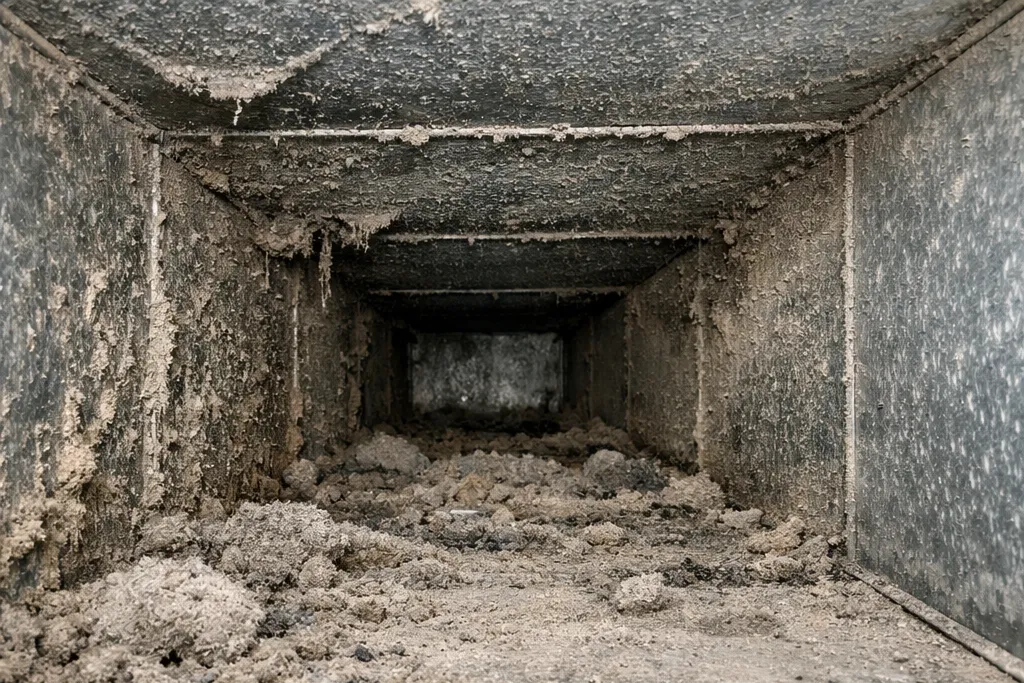
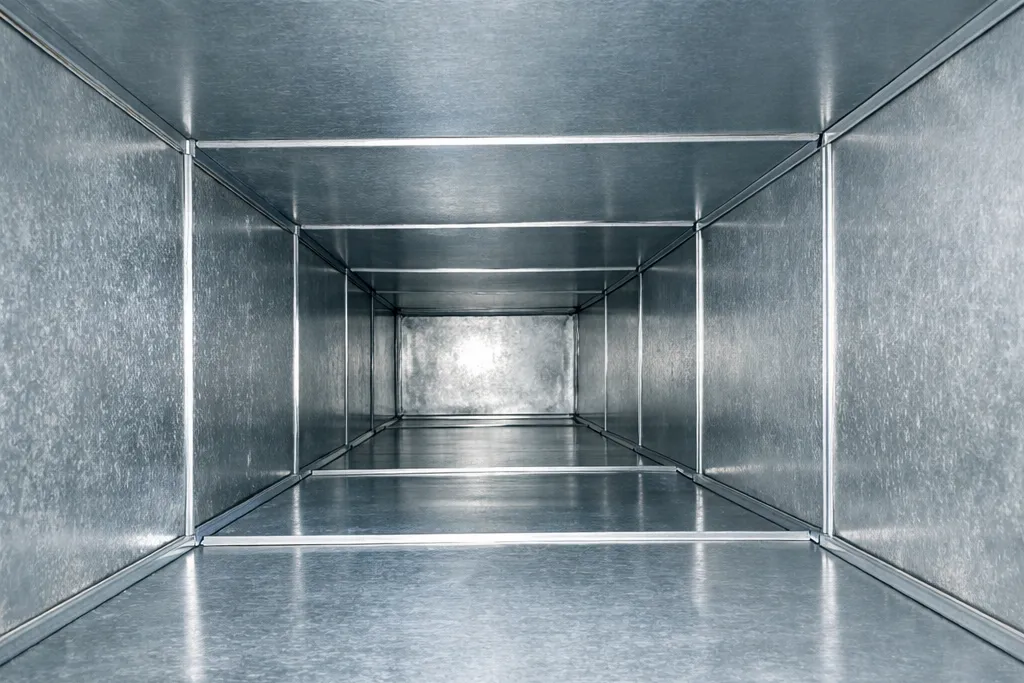
Air Duct Cleaning
Significant dust and debris were removed from the system, helping improve airflow, reduce allergens, and create a cleaner indoor environment.
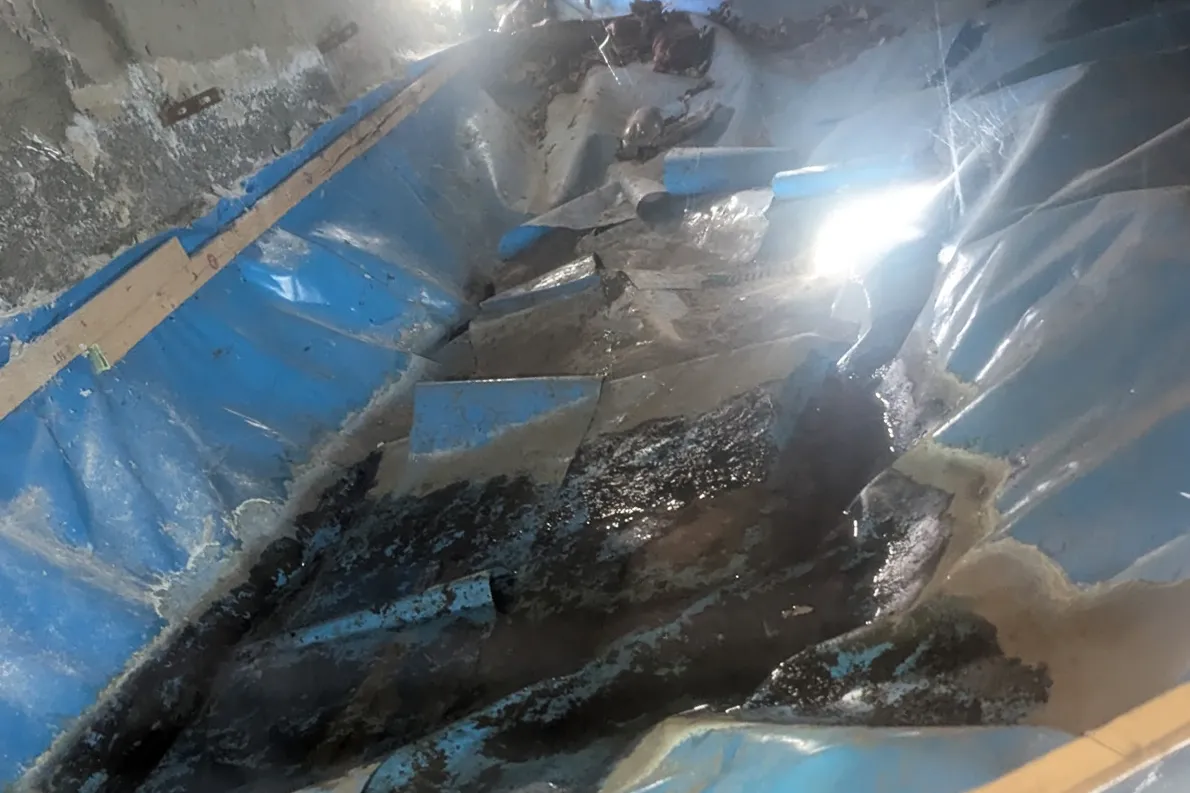
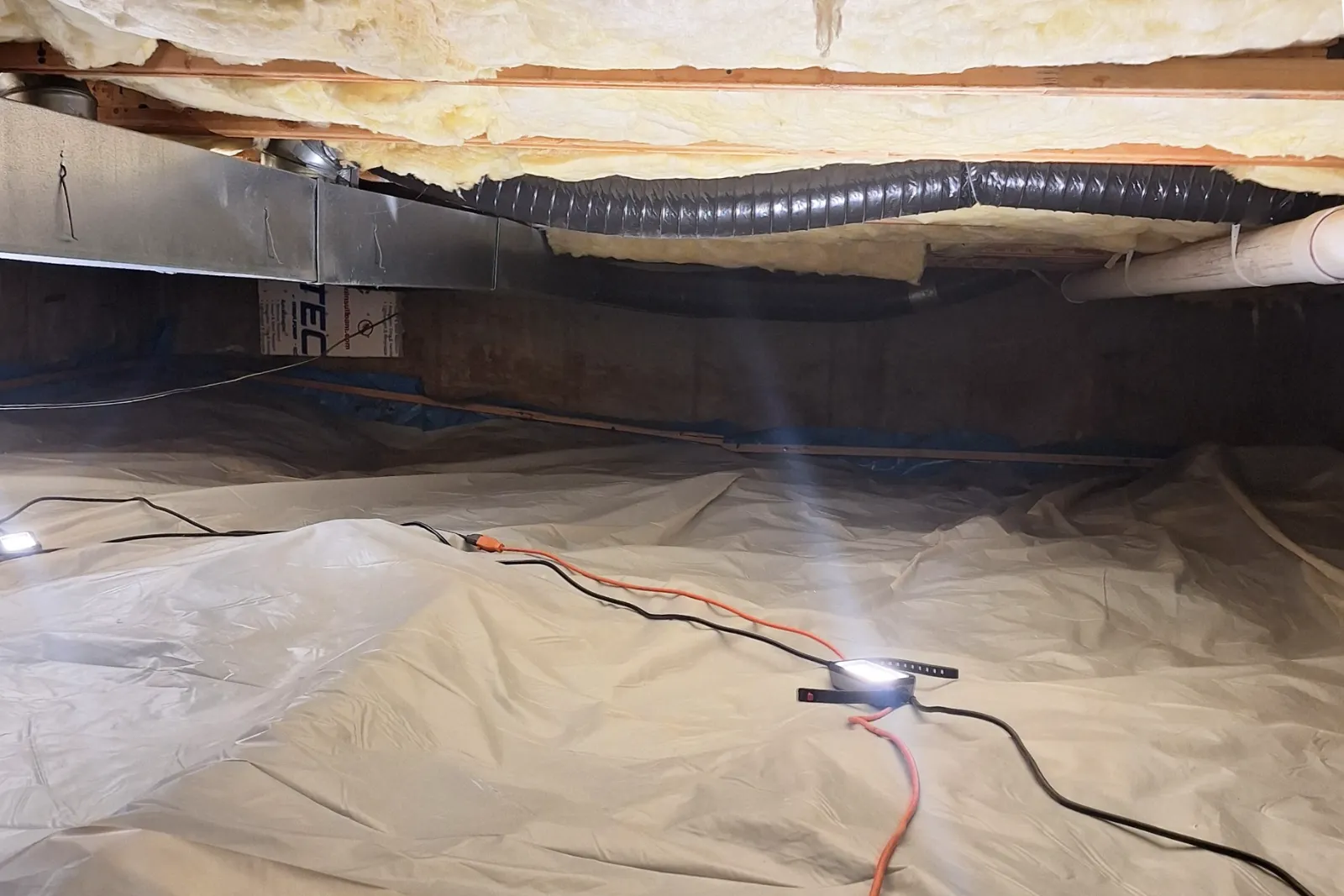
Basement Mold Removal
Extensive mold growth across entire basement after flooding. Family experienced fatigue and respiratory issues. Fully remediated in 3 days.
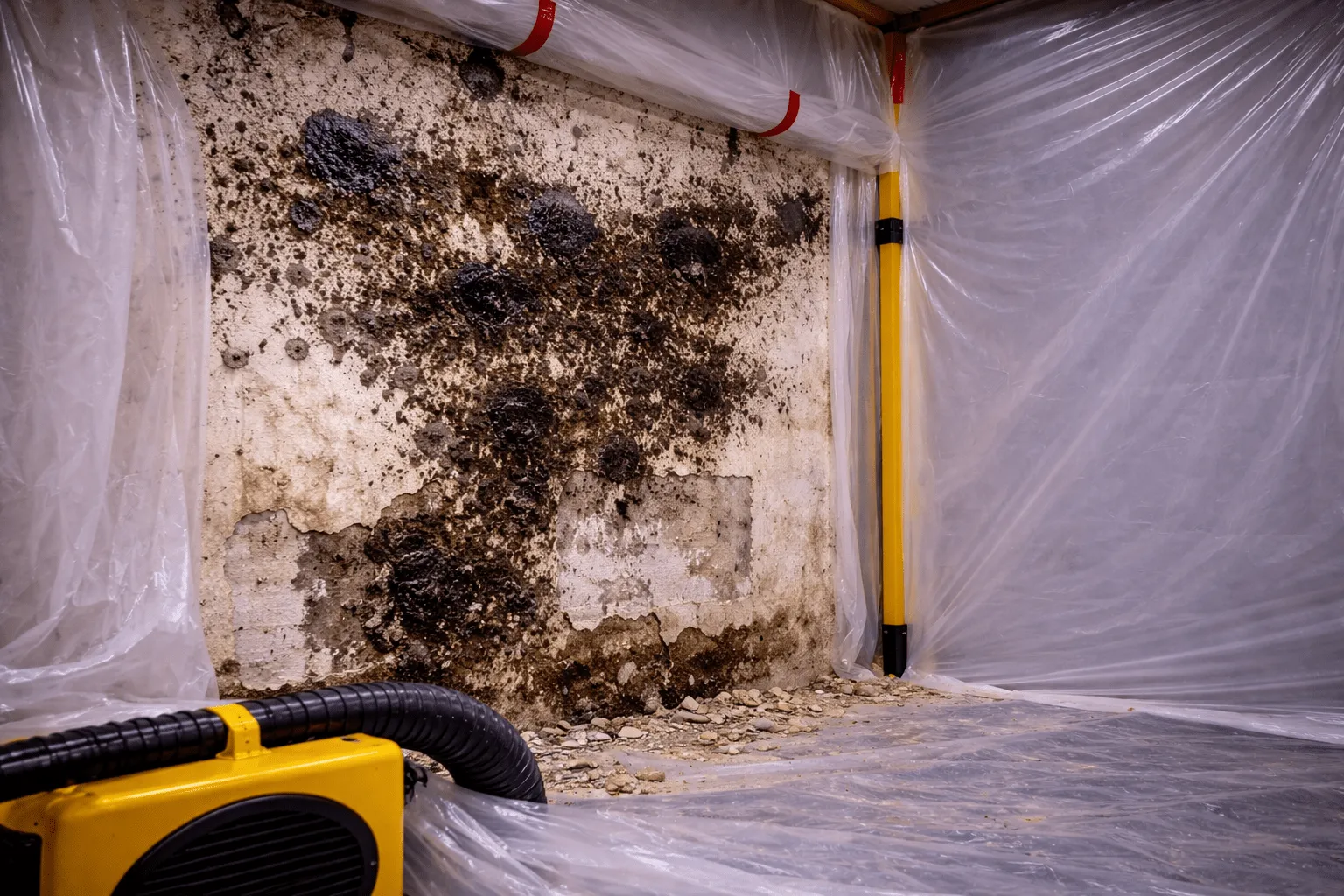
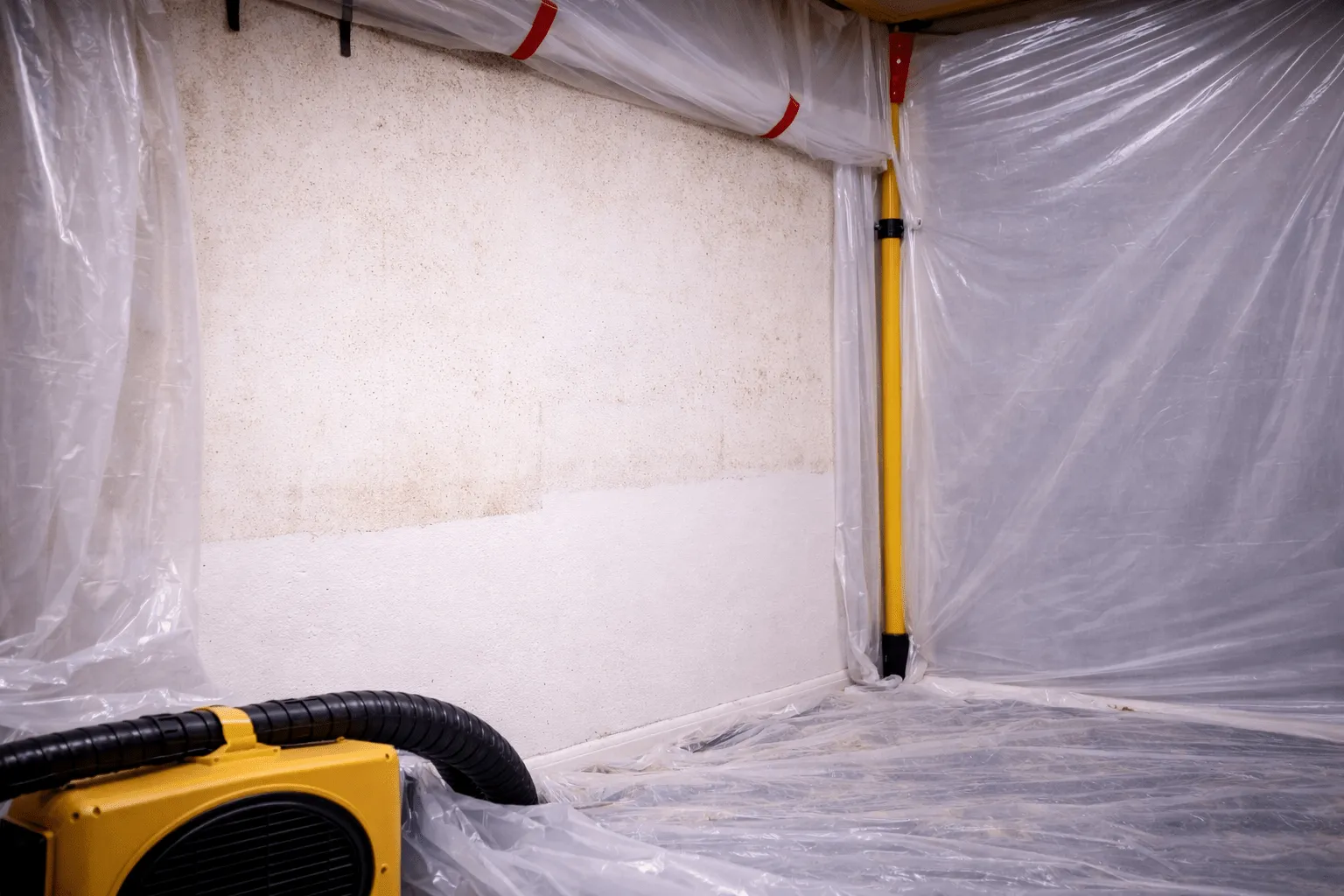
Wall Mold Remediation
Widespread mold spread across interior walls from hidden moisture. Safely removed and treated, restoring a clean, healthy surface.
Ready To See Results Like These?
We have hundreds more before/after photos. Call us today and we'll show you exactly what we can do for your home.
Our Services
Comprehensive Air Quality Solutions
From emergency mold removal to preventative HVAC maintenance, we provide complete indoor air quality services for Utah homes and businesses.
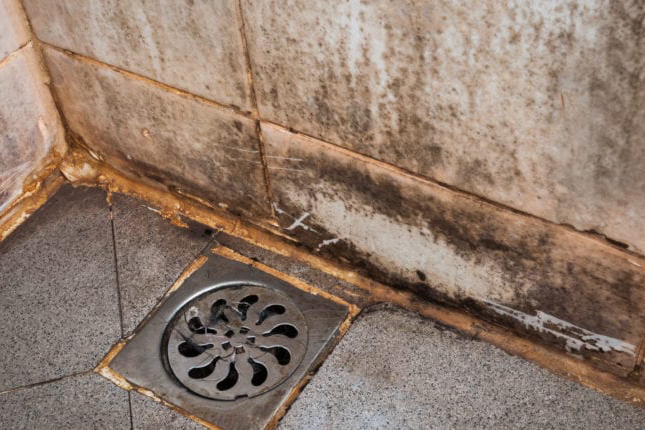
Mold Inspection & Remediation
Complete mold detection, testing, and safe removal. We identify the source, contain the affected area, remove all mold, and prevent future growth.
- Free Initial Inspection
- Lab-tested mold identification
- Complete containment & removal
- Air quality testing
- Prevention strategies
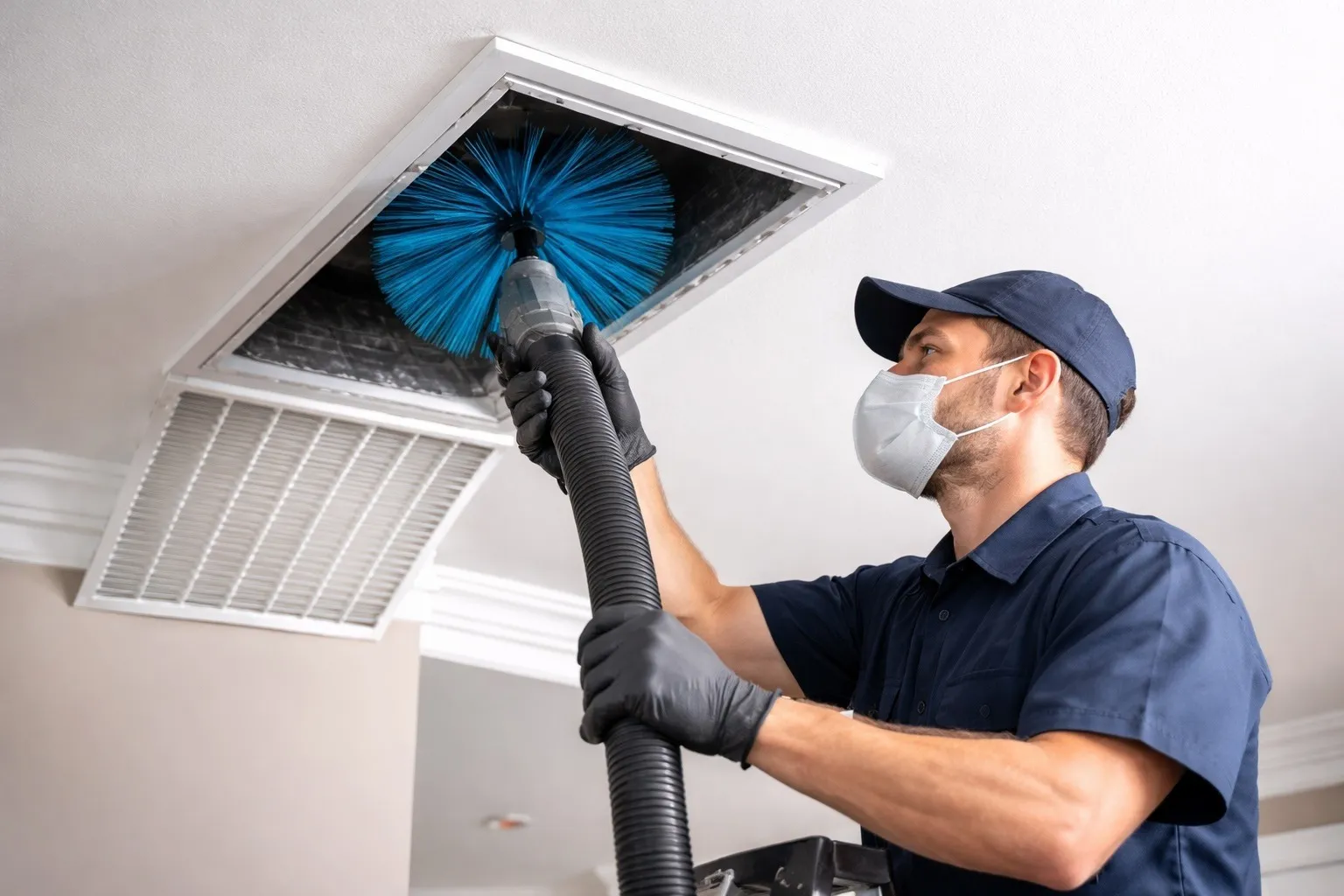
Air Duct Cleaning
Air duct cleaning removes dust, allergens, and contaminants that build up inside your HVAC ductwork, helping restore cleaner air throughout your home.
- Improves indoor air quality
- Removes dust and allergens from ductwork
- Helps reduce mold spores and contaminants
- Cleans hard-to-reach HVAC areas
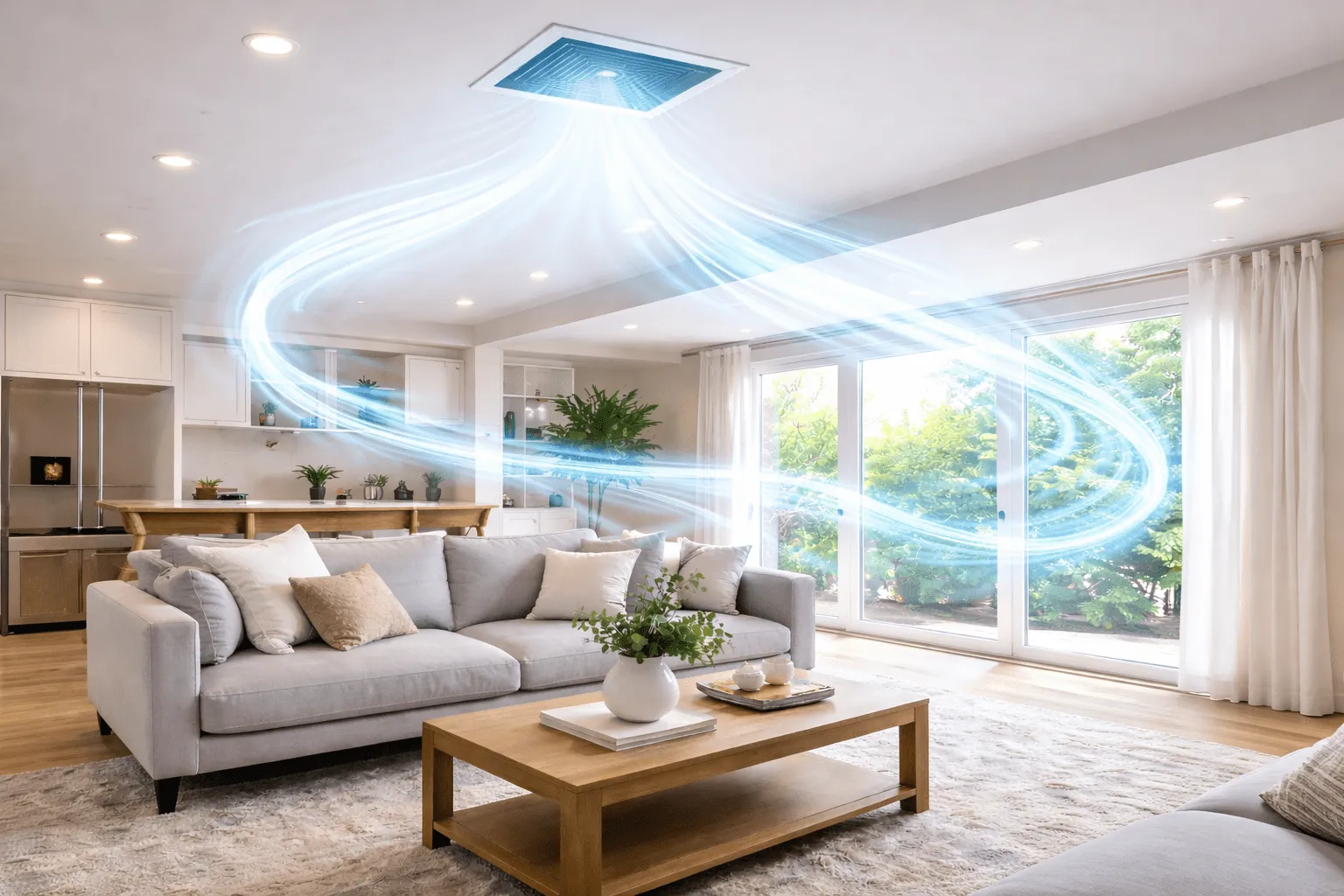
Whole-Home Air Purification
Whole-home air purification systems work with your HVAC system to clean the air as it circulates through your home, helping reduce dust, allergens, mold spores, bacteria, and odors.
- Improves indoor air quality
- Helps reduce allergens and irritants
- Reduces mold spores and bacteria
- Helps eliminate odors
Testimonials
What Our Customers Say
Don't just take our word for it. See why thousands of Utah homeowners trust Green Home for their mold remediation needs.

Local Expertise
Air Duct Cleaning in Utah
The Utah Picture
We clean air ducts across the Wasatch Front, Utah County and St. George, and we follow the EPA's view that ducts should be cleaned when they need it, not on a fixed schedule. If your system doesn't need cleaning, we'll tell you.
When duct cleaning actually makes sense
The EPA does not recommend cleaning ducts routinely, only as needed. Its list of good reasons is short: substantial visible mold inside sheet metal ducts or other parts of the system, signs of mice, insects or other vermin, or so much dust and debris that the ducts are clogged or particles are blowing out of the supply registers.
Normal dust on a return grille is not one of them. You can usually vacuum or wash the grille yourself. The EPA also stresses that if there is a cause, such as a leak, condensation or a pest entry point, it has to be fixed first or the problem will likely come back.
What a proper cleaning includes
A real duct cleaning covers the whole system, not just the vents you can see. The EPA notes that leaving one contaminated part dirty can re-contaminate everything else. A proper job includes:
- Supply and return ducts, registers and grilles
- The air handler housing, blower fan and motor
- Cooling coils, drain pan and heat exchanger
- Access ports opened so the inside can be inspected and cleaned, then sealed and re-insulated so they're airtight
- Vacuum equipment that exhausts outdoors, or HEPA-filtered vacuums if the exhaust stays inside, so dust isn't blown back into the home
- Controlled brushing with contact vacuuming, using soft brushes on fiberglass duct board or lined ducts
The industry standard for this work is NADCA's ACR standard, which covers assessment, negative air pressure equipment, source removal and checking that surfaces are actually clean afterward.
What to avoid
Be cautious of anyone who wants to spray a biocide or sealant as a routine add-on. The EPA says no products are registered as biocides for fiberglass duct board or fiberglass-lined ducts. A biocide should only be considered after visible growth has been shown to you, and after the system has been cleaned. The EPA also does not recommend routine sealants, which may not coat ducts evenly and can affect fire ratings and equipment warranties. Avoid ozone treatments as well.
Timing around Utah's seasons
Utah's heating and cooling seasons give you two natural windows. Wood-burning restrictions in Box Elder, Cache, Davis, Salt Lake, Tooele, Utah and Weber counties start on November 1, the beginning of the inversion season, and homes stay closed up and the furnace runs hard until spring. Early fall is a sensible time to have the system checked before that stretch. Spring, before air conditioning or an evaporative cooler starts up, is the other window. Cooling coils and drain pans stay wet all summer, and that's where growth tends to start.
How to choose a duct cleaner
The EPA suggests getting written estimates from at least three companies, checking references, and asking these questions:
- Will you show me the contamination before and after?
- Do you clean the entire system, including the coil, blower and drain pan?
- Do you follow NADCA standards?
- Will you put the full cost and scope in writing before starting?
Be wary of sweeping health claims, pressure to clean on a schedule, or any claim of EPA certification. The EPA does not certify duct cleaners.
FAQs
Frequently Asked Questions
What affects the cost of air duct cleaning?
Mainly the size and layout of the system. The number of supply and return runs, how many furnaces or air handlers the home has, and how easy they are to reach all matter. Heavy debris, rodent contamination or mold inside the ducts takes more time than ordinary dust. Basement mechanical rooms are simpler than attic air handlers. We give a written price after seeing the system, and we won't add treatments you don't need.
How long should a whole-system duct cleaning take?
For a typical single-system home, plan on most of a day. A rushed job that only takes an hour or two usually means only the registers were vacuumed, not the air handler, coil, blower and trunk lines. Homes with two systems, long attic runs or heavy contamination take longer. We'll give you an estimate of the time up front so you can plan around it.
Do I need to leave the house during duct cleaning?
No. The system is shut off while we work, and the equipment pulls air and dust away from the living space rather than into it. Expect some noise, people moving between rooms, and the heat or air conditioning being off for a stretch. Pets are usually happier in a closed room. The EPA suggests considering leaving only if a chemical biocide is being applied, which isn't part of a routine cleaning.
Does homeowners insurance cover air duct cleaning?
Routine duct cleaning is maintenance, so it generally isn't covered. Cleaning may be part of a claim when the ducts were contaminated by a sudden, covered event, such as a house fire spreading smoke and soot, or a burst pipe soaking ductwork. Mold from long-term condensation usually isn't covered. Check your policy or ask your agent before scheduling if you think a claim applies, and keep photos and invoices.
Should I clean my ducts after wildfire smoke or an inversion season?
Not automatically. Smoke and inversion pollution are mostly fine particles, and the best defense is a good furnace filter changed on time. Ducts are worth inspecting if you can see soot or heavy debris on registers, or if dust blows out when the system starts. If an inspection shows only light dust, a fresh filter is the better use of your money, and we'll tell you that.
Can mold grow in ducts in a dry state like Utah?
Yes, though it usually starts in the parts of the system that get wet, not in the duct runs themselves. Cooling coils and drain pans stay damp all summer, and a clogged drain line can keep them wet. Ducts that run through crawlspaces or near evaporative coolers can also pick up moisture. The EPA advises not running a system you suspect is contaminated with mold, since it can spread spores.
Is duct cleaning a good idea after a remodel or new construction?
It's one of the better reasons. Drywall dust, sawdust and construction debris often get pulled into returns, especially if the system ran during the work. Look at the supply registers and the filter. If they're coated with fine gray or white dust, an inspection is worthwhile. Next time, seal off registers and change the filter during the project, which can keep most of that dust out.
How can I tell if a duct cleaning was done right?
The EPA offers a simple post-cleaning check. Ask the technician to show you the inside of the system. The cooling coil, blower fan and motor, the plenums, and the inside of the supply and return registers should all be visibly clean. Access holes should be sealed and insulated. Then run the system in both heating and cooling modes to make sure it works normally. Get the scope in writing beforehand so you can compare.
Get In Touch
Ready to Breathe Easier?
Schedule your free mold inspection today. Our team is standing by to help protect your home and family.
24/7 Emergency Line
Email Us
Service Area
Salt Lake City & Surrounding Areas
Business Hours
Mon-Sat 8am-7pm | 24/7 Emergency
Free Inspection Request
Fill out the form and our team will reach out to you promptly.